
Sahacharadi Thailam

(0)

Classical Ayurvedic Oil for Lower Back, Hips and Legs

€21,00

Sahacharadi Thailam on klassinen ayurvedinen öljy, joka on dokumentoitu Ashtanga Hridayamissa tukemaan alavartaloa. Valmiste yhdistää yli 30 yrttiä, mukaan lukien täydellisen Dashamoolan (kymmenen juurta) ja 18 aromaattista tahnayrttiä — puhtaassa seesamiöljypohjassa, joka on käsitelty tuoreella lehmänmaidolla perinteisen Taila Paka Vidhin mukaisesti.

Nimi juontaa juurensa sen tunnusomaiseen ainesosaan Sahacharaan (Strobilanthes ciliatus), yrttiin, jota arvostetaan perinteisesti Ayurvedassa sen erityisen vaikutuksen vuoksi Apana Vayuun — elintärkeään energiaan, joka hallitsee alavartaloa, mukaan lukien alaselkä, lantio, reidet ja jalat. Tämä alaspäin suuntautuvan energian painotus tekee Sahacharadista Ayurvedan erikoisöljyn alaraajoihin vaikuttavien vaivojen ja jalkojen terveen verenkierron hoitoon.

Valmistettu Keralan ayurvedisessa perinteessä, tämä lämmittävä öljy sisältää aromaattisen sekoituksen Vetiveriä, Santelipuuta, Kardemummaa, Intian Madderia, Spikenardia ja Himalajan Setriä. Sitä käytetään päivittäisessä Abhyangassa (itsehieronnassa), joka keskittyy alavartaloon, sekä ammatillisissa Panchakarma-hoidoissa, kuten Kati Basti (alaselän öljykylpy), Janu Basti (polven hoito) ja Pizhichil. Ihanteellinen niille, jotka etsivät perinteistä tukea alaselän hyvinvointiin, jalkojen terveyteen ja terveeseen verenkiertoon.
Nettosisältö

AINEKSET

Sesamum Indicum (Sesame) Seed Oil, Lac (Milk), Strobilanthes Ciliatus (Sahachara) Extract, Aegle Marmelos (Bael) Root Extract, Premna Integrifolia (Agnimantha) Root Extract, Oroxylum Indicum (Shyonaka) Root Extract, Gmelina Arborea (Gambhari) Root Extract, Stereospermum Suaveolens (Patala) Root Extract, Desmodium Gangeticum (Shalaparni) Extract, Uraria Picta (Prishnaparni) Root Extract, Solanum Indicum (Brihati) Extract, Solanum Xanthocarpum (Kantakari) Extract, Tribulus Terrestris (Gokshura) Extract, Asparagus Racemosus (Shatavari) Root Extract, Vetiveria Zizanioides (Vetiver) Root Extract, Saussurea Lappa (Costus) Root Extract, Santalum Album (Sandalwood) Wood Extract, Elettaria Cardamomum (Cardamom) Seed Extract, Callicarpa Macrophylla (Priyangu) Extract, Cinnamomum Tamala (Bay Leaf) Extract, Rubia Cordifolia (Indian Madder) Root Extract, Nardostachys Jatamansi (Spikenard) Root Extract, Cedrus Deodara (Himalayan Cedar) Wood Extract, Curcuma Zedoaria Root Extract, Anethum Graveolens (Dill) Seed Extract, Boswellia Serrata (Frankincense) Resin Extract, Valeriana Wallichii (Valerian) Root Extract.

Sahacharadi Thailam

€21,00

€21,00

Why Choose Sahacharadi Thailam

Sahacharadi Thailam holds a unique position among classical Ayurvedic oils as the specialist formulation for Apana Vayu, the vital energy governing the lower body from the navel downward. While other Thailams address the full body or specific tissues, Sahacharadi specifically targets the lower back, hips, thighs, legs and circulatory wellness in the lower extremities.

The Power of Sahachara

The signature herb Sahachara (Strobilanthes ciliatus) gives this oil its name and distinctive action. In Ayurvedic pharmacology, Sahachara is classified as Vatahara (Vata-pacifying) with specific tropism for the lower limbs. Its Sanskrit name means "companion" — the herb that accompanies and supports movement — reflecting its traditional role in maintaining mobility and comfort in the legs and lower body.

Complete Dashamoola Foundation

Like other great classical oils, Sahacharadi contains the complete Dashamoola providing comprehensive support for the musculoskeletal system. The ten roots include Bilva, Agnimantha, Shyonaka, Gambhari, Patala, Shalaparni, Prishnaparni, Brihati, Kantakari and Gokshura — each contributing unique properties that work synergistically to balance Vata dosha throughout the lower body.

18 Aromatic Kalka Herbs

What distinguishes Sahacharadi from simpler oils is its complex aromatic paste of 18 herbs prepared according to classical methods. These include cooling Vetiver and Sandalwood, warming Cardamom and Himalayan Cedar, circulation-supporting Indian Madder and nerve-calming Spikenard and Valerian. This aromatic blend enhances the oil's penetrating quality, supporting deeper absorption while providing a grounding, pleasant massage experience.

Traditional Benefits

In classical Ayurvedic texts, Sahacharadi Thailam is valued for multiple actions. Its warming nature (Ushna virya) counteracts the cold, dry qualities of Vata that manifest as stiffness in the lower back and legs. The oil is traditionally used to support lower back comfort during prolonged sitting, promote leg wellness after standing or walking, maintain healthy circulation in the lower extremities, nourish muscles, ligaments and joints of the hips and legs, and provide a warming, grounding massage experience.

Who Benefits Most

Sahacharadi Thailam is particularly suited for those experiencing Vata imbalance in the lower body. This includes people with sedentary occupations involving prolonged sitting, those seeking support for lower back comfort and mobility, individuals experiencing leg heaviness or fatigue after standing, anyone wanting to support healthy circulation in the legs, and those looking for a specialist lower body massage oil in their Abhyanga practice.

Kuinka käyttää Sahacharadi Thailam

Warming the Oil

Sahacharadi Thailam is best used warm to enhance absorption and therapeutic benefit. Place the bottle in a bowl of hot water for 5 to 10 minutes until the oil reaches a comfortable temperature. Test on your inner wrist before applying — the oil should feel pleasantly warm, never hot. The warming process also helps the oil flow more easily during massage.

Daily Lower Body Abhyanga

For regular self-massage focusing on the lower body, use 15 to 20 ml of warm oil. Begin at the lower back and work downward following this sequence.

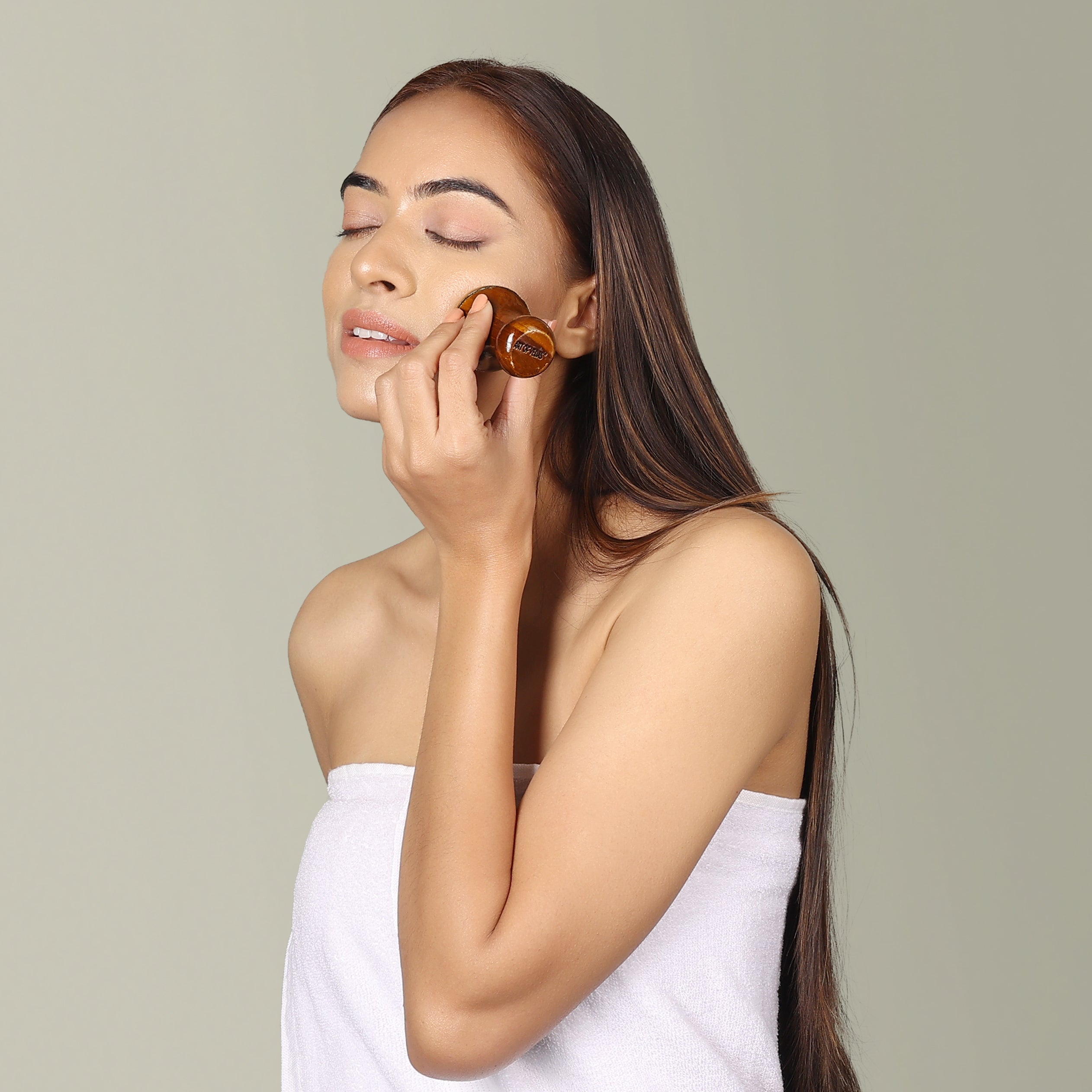
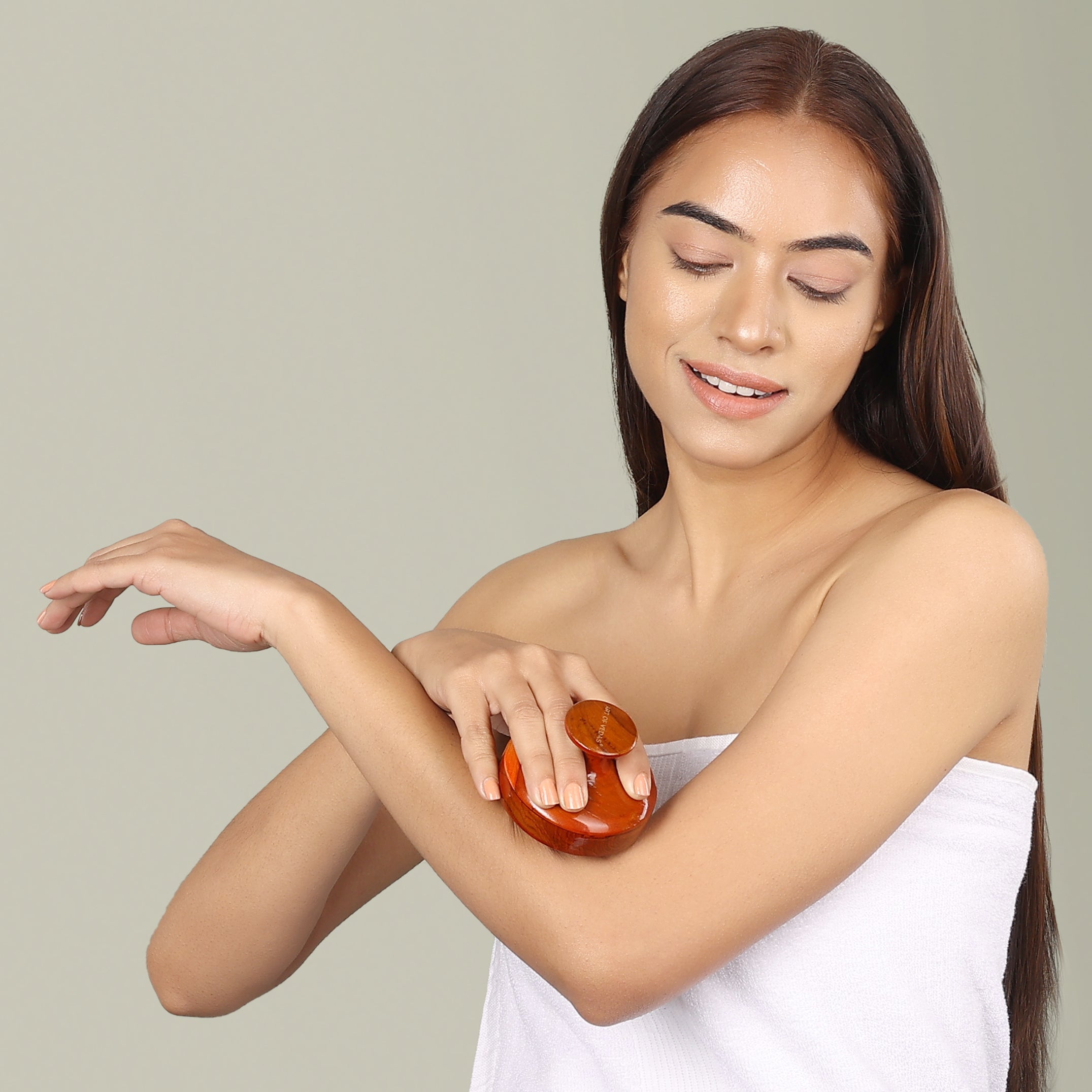
Start with the lower back using circular motions over the lumbar spine and sacrum area. Move to the hips with circular motions over the hip joints and buttocks. Continue to the thighs using long strokes from hip to knee on both front and back surfaces. Apply circular motions around the knee joints. Massage the calves with long strokes from knee to ankle. Finish with the ankles and feet using circular motions on the ankles and long strokes along the soles.

Allow the oil to remain on the skin for 20 to 30 minutes before bathing with warm water. For regular lower body support, practice 3 to 4 times per week. During periods of increased need, daily application follows traditional recommendations.

Special Technique for Circulation Support

For supporting healthy circulation in the legs, particularly when experiencing heaviness or fatigue, use a specific application method. Apply oil gently using a cotton ball or fingertips. Use upward strokes only moving from ankle toward the heart. Keep pressure light and even, avoiding any vigorous massage. Allow the oil to absorb for several hours or overnight. Cover with soft cloth to protect bedding if leaving on overnight.

This gentle upward technique follows traditional Ayurvedic principles for supporting venous return and is best practiced in the evening before rest.

Targeted Lower Back Application

For focused lower back support, apply warm oil generously to the lumbar region. Massage gently in circular motions for 10 to 15 minutes. Cover with a warm cloth or apply gentle heat using a hot water bottle wrapped in a towel. Rest for 30 to 60 minutes allowing the oil to penetrate deeply. Follow with a warm bath or shower.

This targeted application is particularly helpful after prolonged sitting or during times of lower back stiffness.

Professional Panchakarma Uses

In traditional Panchakarma therapy, Sahacharadi Thailam is used in several specialized treatments. Kati Basti involves creating a dough dam on the lower back and pooling warm oil for 30 to 45 minutes. Janu Basti applies the same technique to the knees. Pizhichil uses continuous warm oil pouring with focus on the lower body. These therapies should be performed by trained Ayurvedic practitioners.

Best Times for Application

Morning application before bathing aligns with classical Dinacharya (daily routine) principles and prepares the body for the day. Evening application before bed allows longer absorption time and is particularly beneficial for circulation support. Application after prolonged sitting or standing provides immediate support when needed. Increased frequency during Vata season (autumn and early winter) addresses seasonal aggravation.

Important Guidelines

This oil is for external use only. Avoid use during fever, acute inflammation or active infection. Do not apply on broken, irritated or ulcerated skin. When supporting leg circulation, use gentle upward strokes only and avoid pressure over any affected areas. Take care when walking after application as oil may make surfaces slippery. Pregnant or breastfeeding women should consult a healthcare provider before use. Store in a cool, dry place away from direct sunlight.

Klassinen ayurvedinen viite

Sahacharadi Thailam is documented in foundational Ayurvedic texts, reflecting its importance in classical therapy for the lower body and circulation.

Textual Sources

The primary reference for this formulation appears in Ashtanga Hridayam, Chikitsa Sthana (Therapeutics Section), Chapter 21, Verses 67 to 69. This text was composed by Acharya Vagbhata in the 7th century CE and remains one of the most authoritative sources in Ayurvedic medicine. Additional references appear in Sahasrayogam (Taila Prakarana section), the Kerala compendium of classical formulations, and Kashyapa Samhita (Chikitsa Sthana, Chapter 24), which mentions Sahachara Taila for Basti and Abhyanga applications.

Sanskrit Name and Etymology

The Sanskrit name is Sahacharadi Tailam, written as सहचरादि तैलम् in Devanagari script.

The name components are Sahachara meaning "companion" or "that which accompanies movement," Adi meaning "and others" or "beginning with," and Tailam meaning "oil." The complete meaning — "The Oil Beginning with Sahachara" — indicates a formulation centered on this unique lower body specialist herb.

Historical Development

This formulation originates from Vagbhata's Ashtanga Hridayam, one of the Brihattrayi (three great classical texts) of Ayurveda. The Kerala tradition later expanded the formula in the Sahasrayogam, incorporating additional aromatic herbs into the Kalka (paste) component. The Ashtavaidya families of Kerala further refined preparation methods for specialized Panchakarma applications, particularly for conditions affecting the lower limbs. This oil has remained the primary choice for Gridhrasi (sciatica) protocols in traditional practice for over a thousand years.

Ayurvedic Pharmacology

The complete pharmacological profile according to classical texts is as follows.

Rasa (Taste): Madhura (sweet), Tikta (bitter), Kashaya (astringent)

Guna (Quality): Snigdha (unctuous), Guru (heavy), Sukshma (subtle, penetrating)

Virya (Potency): Ushna (warming)

Vipaka (Post-digestive effect): Katu (pungent)

Dosha Action: Primarily pacifies Vata, balances Kapha, may increase Pitta if used excessively

Primary Karma (Actions): Vatahara (Vata pacifying), Shothahara (reduces swelling), Vedana-sthapana (promotes comfort), Sira-shodhana (supports vein health), Balya (strengthening)

Dhatu Affinity: Mamsa (muscle tissue), Asthi (bone tissue), Majja (nerve and marrow tissue), Rakta (blood tissue)

Srotas (Channel Systems): Mamsavaha, Asthivaha, Majjavaha, Raktavaha

Vayu Focus: Apana Vayu — the subdosha of Vata governing the lower body, elimination and downward movement

Classical Indications

In Sanskrit texts, Sahacharadi Thailam is referenced for Vata conditions affecting the lower body and circulation. Traditional indications documented in classical literature include Gridhrasi (sciatica pattern), Kati Shoola (lower back discomfort), Uru Stambha (thigh stiffness), Sira Granthi (varicose conditions), Pakshaghata (hemiplegia), Kampavata (tremors) and Akshepa (convulsions). These classical references describe traditional therapeutic applications in their historical context.

The Apana Vayu Connection

What makes Sahacharadi unique among Thailams is its specific action on Apana Vayu. While Mahanarayana addresses Vata comprehensively throughout the body, Ksheerabala focuses on nerve tissue with cooling action, and Mahamasha combines nerve and muscle support — Sahacharadi specifically targets the downward-moving energy center. This makes it the classical choice when Vata imbalance manifests primarily in the lower back, hips, thighs, legs and circulatory system of the lower extremities.

Preparation Method

The classical preparation follows Taila Paka Vidhi in three stages. First, a Kashaya (decoction) is prepared from Sahachara, the complete Dashamoola and Shatavari, boiled in water and reduced to one quarter of the original volume. Second, a fine Kalka (paste) is prepared from 18 aromatic herbs. Third, sesame oil is combined with the decoction, paste and fresh cow's milk, then heated over mild flame until Sneha Siddhi Lakshana (completion signs) appear — the paste rolls into a wick when tested, crackling sound ceases, characteristic aroma develops, and the oil achieves its distinctive reddish-brown color.