Ayurvedic Herbs: A Guide to Classical Plants
Ayurveda is one of the world's oldest systems of plant-based knowledge. Over more than two thousand years, classical Ayurvedic scholars documented hundreds of plants - their properties, their traditional uses, their preparation methods, and their relationships to the three Doshas. The Charaka Samhita alone describes over five hundred individual plant substances. The Ashtanga Hridayam and the Sahasrayogam describe specific compound formulations - precise combinations of plants prepared in particular ways - that remain in use today.
This guide introduces the most significant classical Ayurvedic herbs, how they are categorised in the classical texts, and the traditional role of each within the broader Ayurvedic framework.
How Ayurveda classifies herbs
In classical Ayurveda, herbs are not simply categorised by their active biochemical compounds - they are understood through a multi-dimensional framework that includes:
-
Rasa - the primary taste (sweet, sour, salty, pungent, bitter, or astringent). Taste is considered therapeutically significant, not merely descriptive.
-
Virya - the heating or cooling potency of the herb after it has been absorbed
-
Vipaka - the post-digestive effect, which may differ from the primary taste
-
Prabhava - a specific action that cannot be fully explained by the other properties
-
Dosha relationship - whether the herb pacifies (Shamana), aggravates (Kopana), or neutralises (Samana) each of the three Doshas
-
Karma - the classical therapeutic action category (e.g. Rasayana, Balya, Medhya, Deepana)
This framework means that in classical Ayurveda, the same herb may be recommended in different ways, at different times, and with different carrier substances (Anupana) depending on the individual's constitution (Prakriti) and current state (Vikriti).
Key classical Ayurvedic herb categories
Rasayana herbs - classical rejuvenating preparations
Rasayana is a classical category describing herbs and preparations used to support long-term vitality, strength, and resilience. The Charaka Samhita devotes an entire section (Rasayana Pada) to this category. Rasayana herbs are described as supporting Ojas - the classical Ayurvedic concept of vital essence and resilience.
The most important classical Rasayana herbs include:
-
Ashwagandha (Withania somnifera) - described in the Bhaishajya Ratnavali as Balya and Vajikarana. One of the most widely used classical Rasayana herbs, particularly associated with the Vata constitution. Available as capsules and powder.
-
Amalaki (Emblica officinalis) - described in the Ashtanga Hridayam as the foremost Rasayana herb. One of the richest classical plant sources of Vitamin C. A key ingredient in Triphala and in classical Chyavanprash preparations.
-
Shatavari (Asparagus racemosus) - a classical nourishing and moistening Rasayana, described particularly in classical texts for its role in supporting vitality and nourishment in all constitutions, with particular benefit for Pitta.
-
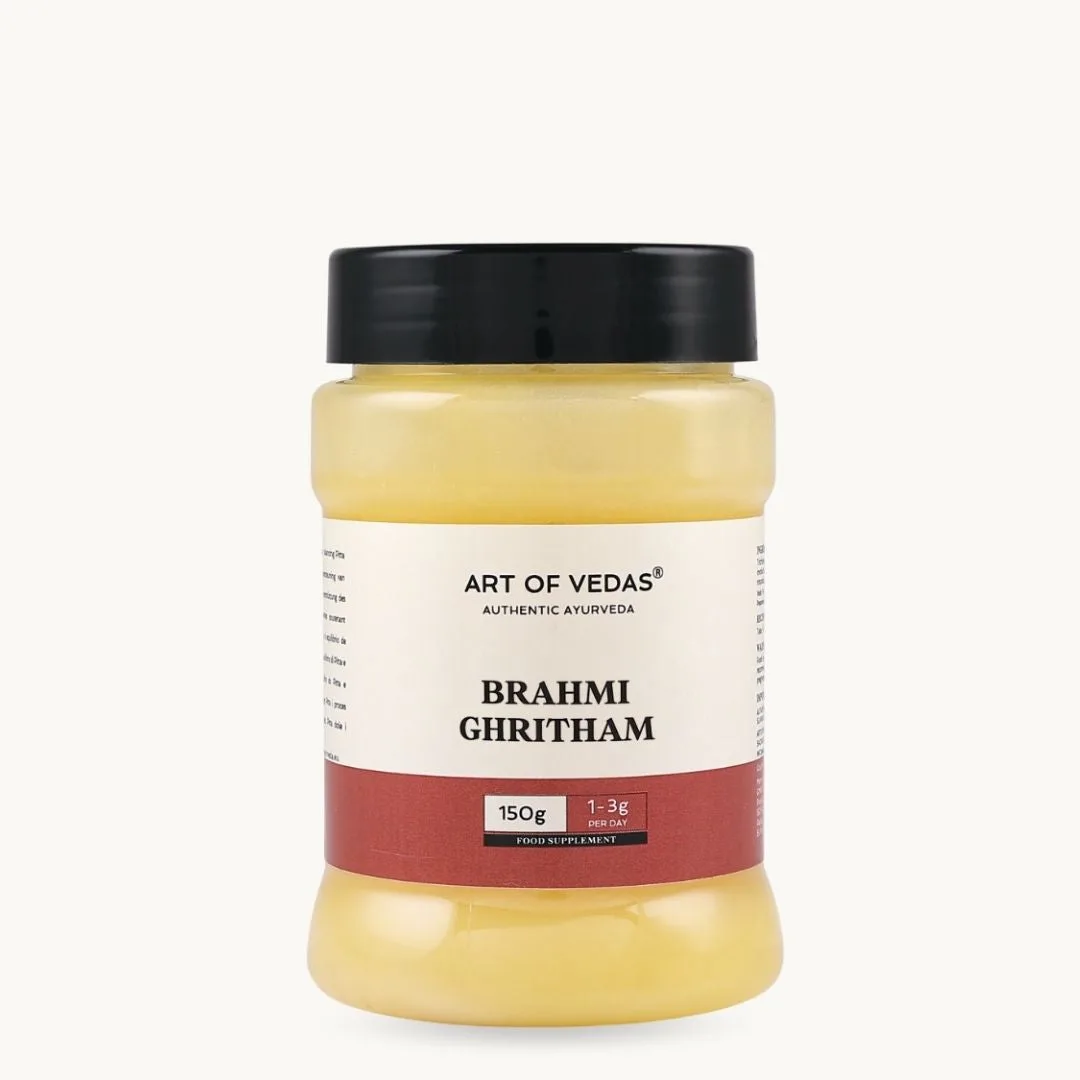
Brahmi (Bacopa monnieri) - a classical Medhya Rasayana herb - described in the Charaka Samhita as supporting mental clarity and memory. The primary ingredient in Brahmi Ghritham, the classical medicated ghee for cognitive support.
-
Guduchi (Tinospora cordifolia) - described in the Ashtanga Hridayam as Tridosha Shamaka (balancing for all three Doshas) and as a classical immune-supporting Rasayana. Available as Guduchi Capsules.
Triphala and compound formulations
Classical Ayurveda makes extensive use of compound formulations - precise combinations of multiple plants prepared together. Triphala (Haritaki + Bibhitaki + Amalaki) is the most widely used of these compound preparations. For a complete guide to Triphala's traditional uses, forms, and dosage, see our Triphala guide.
Balya herbs - classical strengthening preparations
Balya is the classical term for herbs described as supporting physical strength and resilience. Key Balya herbs include:
-
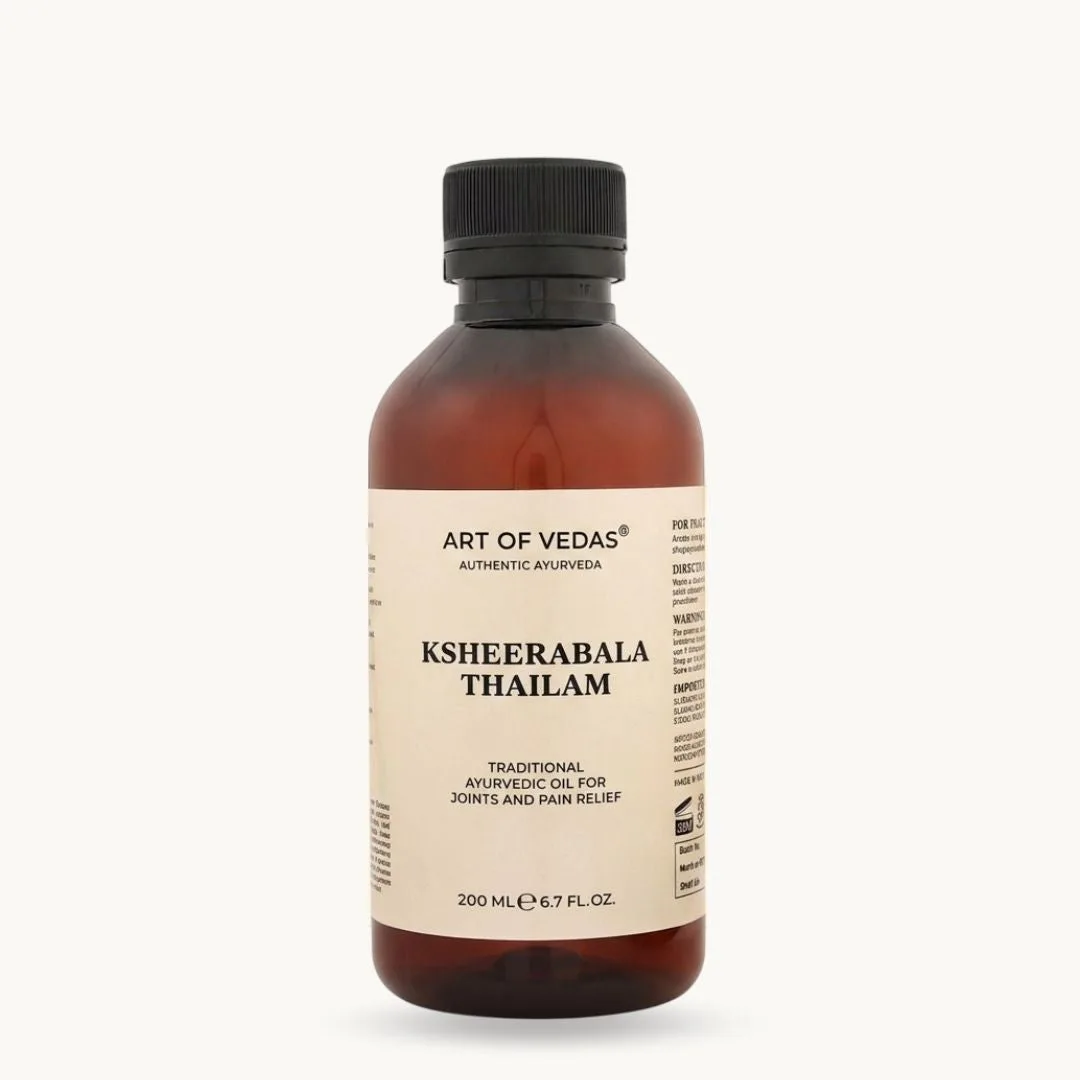
Bala (Sida cordifolia) - the foremost Balya herb in classical texts. Primary ingredient in Ksheerabala Thailam - the classical oil preparation of Bala in sesame oil and.
-
Ashwagandha - also classified as both Rasayana and Balya in classical texts
Deepana and Pachana herbs - supporting digestion
Deepana refers to herbs that kindle Agni (digestive fire), while Pachana refers to herbs that support the digestion of Ama (undigested residue). These are among the most frequently used categories in everyday Ayurvedic practice:
-
Trikatu - the classical three-spice formula of dry ginger (Shunti), black pepper (Maricha), and long pepper (Pippali). Strongly Agni-stimulating and Kapha-pacifying.
-
Haritaki (Terminalia chebula) - described in classical texts as both a Rasayana and a digestive support herb, and one of the three fruits of Triphala
-
Ginger (Zingiber officinale) - described as "the universal medicine" (Vishwabheshaja) in classical Ayurvedic texts for its broad digestive and warming properties
Medhya herbs - supporting cognitive function
Medhya is the classical category for herbs described as supporting mental clarity, memory, and cognitive resilience. The Charaka Samhita names four primary Medhya herbs:
- Brahmi (Bacopa monnieri)
- Mandukaparni (Centella asiatica / Gotu Kola)
- Shankhapushpi (Convolvulus pluricaulis)
- Yashtimadhu (Glycyrrhiza glabra / Liquorice)
Herbs for the classical Dinacharya (daily routine)
Several herbs are referenced in classical Ayurvedic texts not as supplement preparations but as ingredients in daily care rituals:
-
Neem (Azadirachta indica) - described in classical texts as Tiktarasam (strongly bitter), with traditional use in oral care and skin care preparations. A traditional ingredient in Ayurvedic toothpowders and oral care preparations.
-
Sesame (Sesamum indicum) - sesame oil (Tila Taila) is the classical Abhyanga base oil. The Ashtanga Hridayam describes it as Vata-pacifying, warming, and deeply nourishing for the skin and joints. See our guide to Ayurvedic oils and Thailams.
-
Arimedadi herbs - the classical blend of astringent herbs used in oil pulling preparations. Described in classical texts for traditional oral hygiene practice.
Herbs used in classical Ayurvedic oils (Thailams)
Many of the most important classical Ayurvedic herbs are not taken internally as supplements but are processed into medicated oils - Thailams - through the classical Sneha Paka (oil cooking) process. This involves simmering herb pastes or decoctions with a base oil (typically sesame) for extended periods, infusing the oil with the herb's properties. Classical Thailams can contain between ten and sixty or more individual plant ingredients.
Key examples in the Art of Vedas range:
-
Mahanarayana Thailam - 57 classical ingredients, the most comprehensive classical full-body Abhyanga oil
-
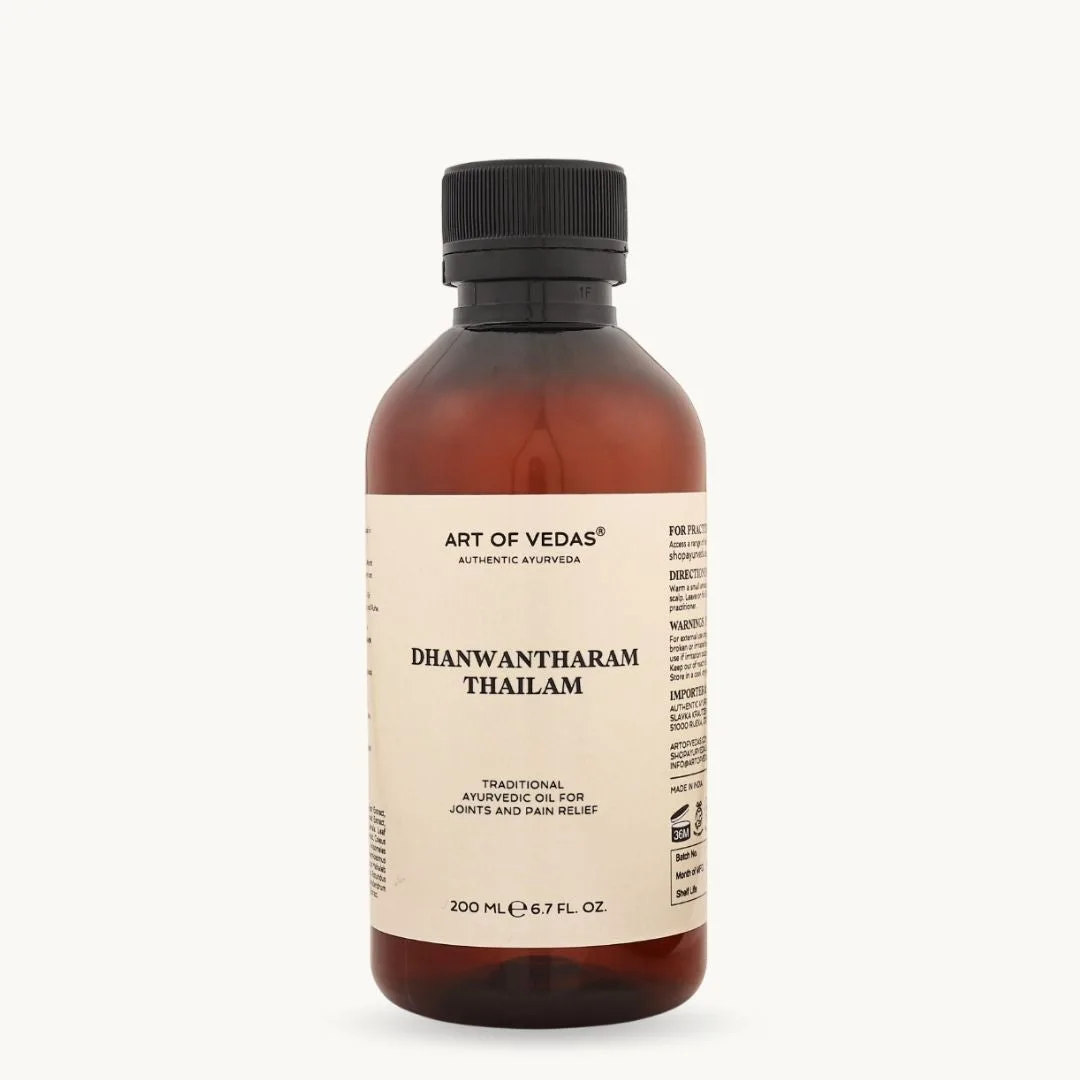
Dhanwantharam Thailam - classical Vata-pacifying preparation from the Ashtanga Hridayam
-
Ksheerabala Thailam - Bala herb with sesame oil and, classical Vata support preparation
-
Anu Thailam - the classical nasal oil for Nasya practice, containing 28 classical herbs
For the full overview of classical Ayurvedic oils and their traditional applications, see our guide to Ayurvedic oils and Thailams.
How to choose Ayurvedic herbs and supplements
The classical Ayurvedic approach to herb selection is always individualised - based on constitution (Prakriti), current imbalance (Vikriti), season, age, and digestive strength. For this reason, while general information about classical herbs can guide understanding, the most accurate guidance comes from consultation with a qualified Ayurvedic practitioner.
For those beginning with Ayurvedic supplements, Triphala is the classical starting point - it is Tridoshic (suitable for all constitutions), well-documented in the classical literature, and described as safe for long-term use. From there, constitution-specific herbs such as Ashwagandha (Vata), Shatavari (Pitta), or Guduchi (Kapha/all Doshas) are natural next steps. Your Dosha type provides a useful orientation - take our free Dosha test if you are not yet sure of your constitution.
The full Art of Vedas range of classical Ayurvedic supplements is available in our Supplements collection.
The herb information on this page is for general educational purposes and reflects traditional Ayurvedic knowledge. Art of Vedas products are food supplements, not medicines. They do not replace consultation with a physician or qualified Ayurvedic practitioner.
Explore more in this series