The Ayurvedic Morning Routine: A Practical Guide
Dinacharya - the Ayurvedic daily routine - begins before sunrise and sets the physiological, mental, and energetic tone for the entire day. The morning sequence described in the Ashtanga Hridayam and Charaka Samhita is not a wellness luxury - it is the primary preventive medicine in Ayurveda, the daily practice that keeps the Doshas in balance and Agni functioning properly.
This guide presents the classical morning sequence with practical timing for modern European life - from the full 60-minute practice to a focused 15-minute essential version.
The Full Morning Sequence
1. Wake Before Sunrise (Brahma Muhurta)
The classical ideal: waking during Brahma Muhurta - approximately 90 minutes before sunrise. This Vata-dominant time of day supports lightness, clarity, and easy elimination. Practically, waking between 5:30, 6:30 is achievable for most Europeans and captures the essential benefit: starting the day before the heavier Kapha period (6:00, 10:00 AM) sets in.
2. Warm Water (2 minutes)
Drink a glass of warm or hot water immediately upon rising - before anything else touches the mouth. This rehydrates the body after sleep, gently activates Agni, and stimulates peristalsis. The warm water guide covers this practice in depth.
3. Elimination
The warm water and the natural morning Vata movement should produce a bowel movement within 15, 30 minutes of waking. Regular morning elimination is one of the most important indicators of balanced Doshas and healthy Agni. Do not force or rush.
4. Tongue Scraping (1 minute)
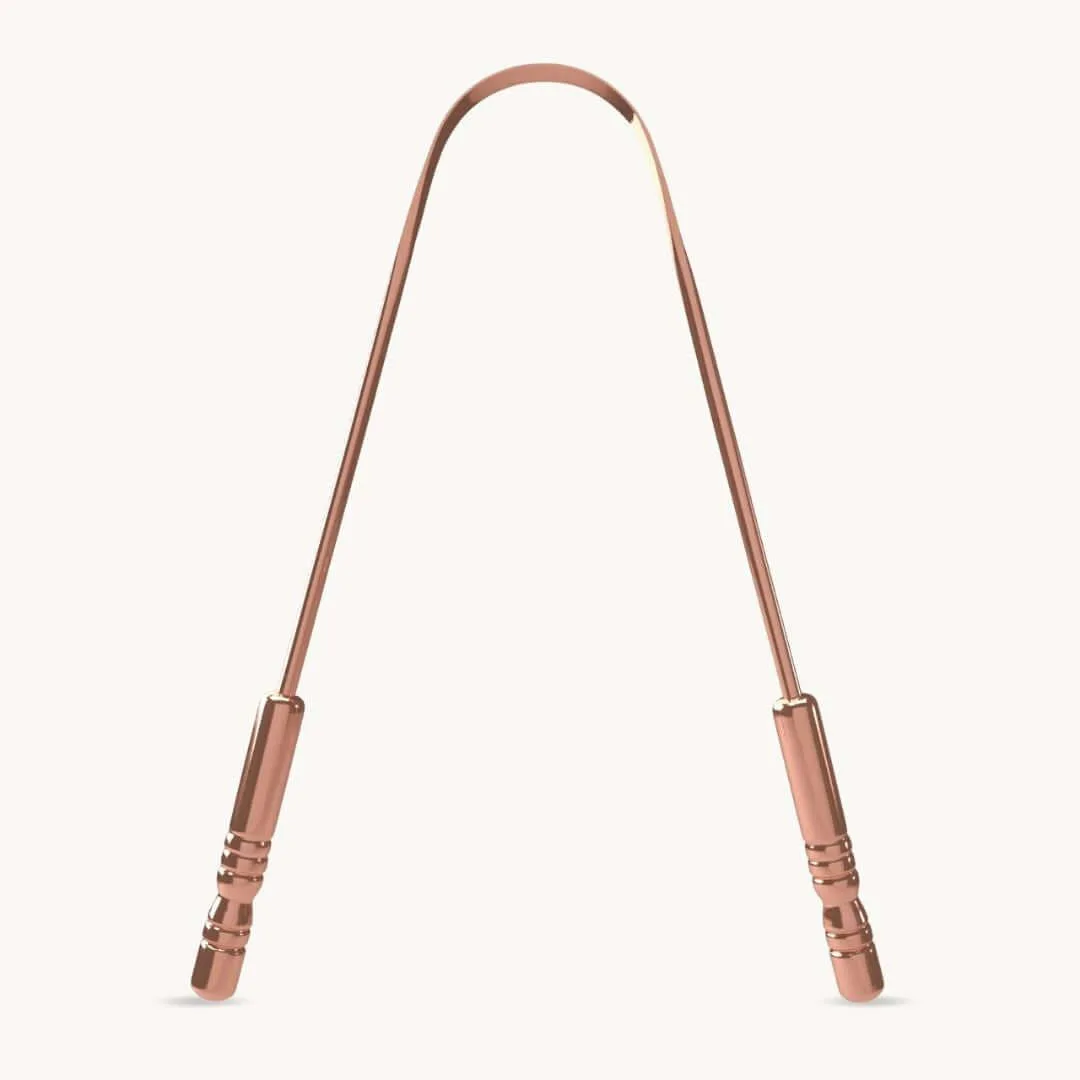
Using a copper or stainless steel tongue scraper, gently scrape the tongue 7, 14 times from back to front. This removes the overnight bacterial coating (Ama visible on the tongue), stimulates the digestive organs through reflex connections, and clears the palate for proper taste perception. The tongue scraping guide covers technique and benefits.
5. Oil Pulling (10, 15 minutes)
Take one tablespoon of sesame or coconut oil and swish gently through the mouth for 10, 15 minutes. Spit into a bin (not the sink - oil solidifies in pipes). Oil pulling supports oral health, strengthens the gums and jaw, and clears Kapha accumulation from the oral cavity. Use this time for other morning tasks - preparing clothes, light stretching, or simply sitting quietly. Art of Vedas' oral care collection includes oils specifically formulated for this practice.
6. Nasya (2 minutes)
Apply 2 drops of Nasya oil to each nostril using a clean fingertip or dropper. Inhale gently to draw the oil upward. Nasya lubricates the nasal passages, supports sinus health, and - because the nasal cavity provides direct access to the brain - promotes mental clarity and emotional balance. Anu Thailam is the classical choice for daily preventive Nasya.
7. Abhyanga - Self-Massage with Warm Oil (15, 20 minutes)
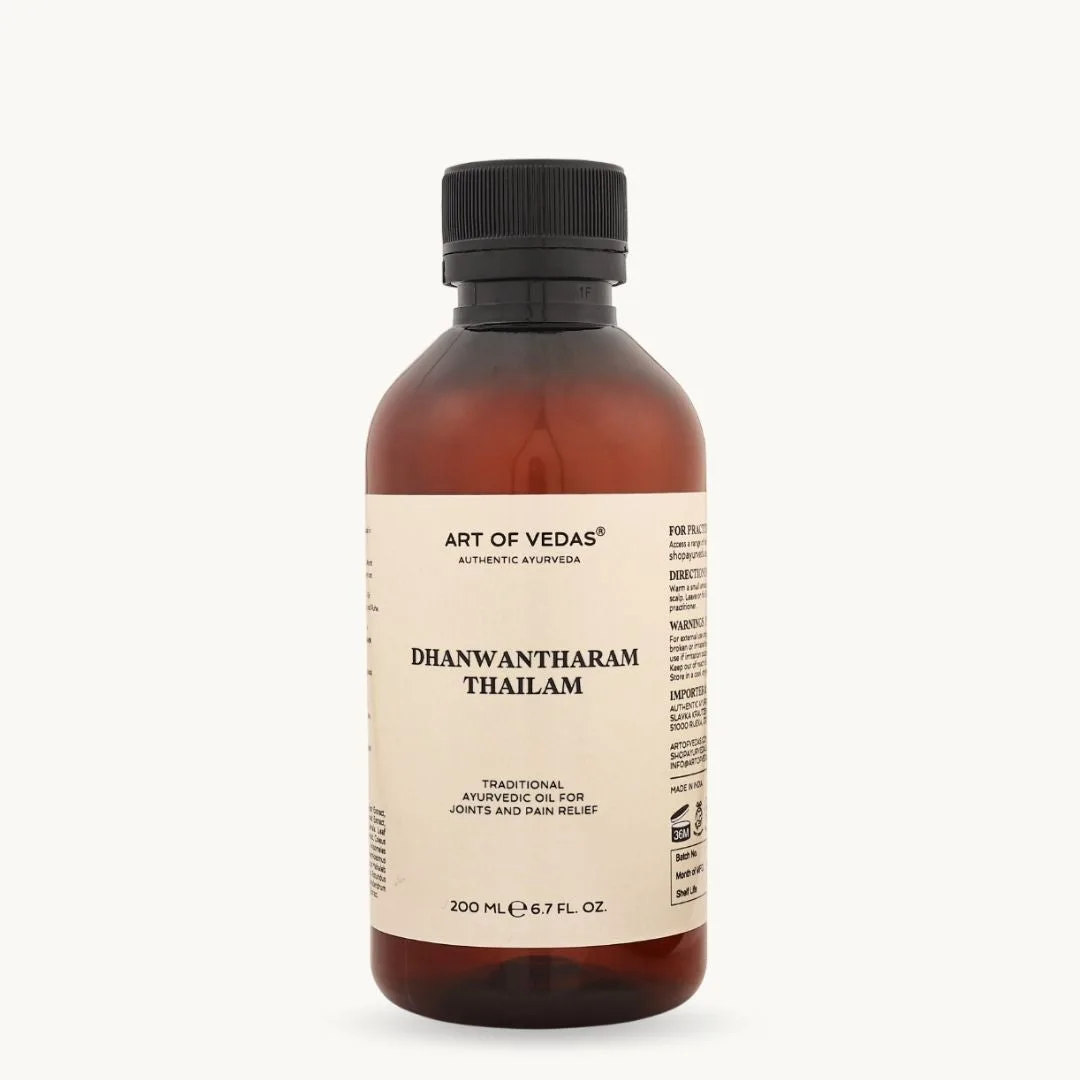
The centrepiece of the morning routine. Warm your chosen Thailam and apply it to the entire body using long strokes on the limbs and circular motions at the joints. Allow 10, 15 minutes for the oil to absorb before bathing. The Abhyanga guide covers the complete technique, and the oil selection guide helps you choose the right Thailam for your Dosha type.
8. Facial Care (5 minutes)
Apply your facial oil - Kumkumadi, Eladi, or Nalpamaradi - and perform a brief Kansa wand facial massage, working the Marma points of the face. The skincare routine guide covers Dosha-specific facial protocols.
9. Bathing
Warm water (not hot - hot water is weakening to the eyes and hair according to classical texts). The bath removes excess surface oil while the absorbed oil continues to nourish the tissues from within.
10. Light Exercise and Breakfast
Gentle movement - yoga, walking, stretching - before eating. Breakfast should be warm, nourishing, and appropriate for your Dosha type and the season. Eat only when hunger is genuinely present.
The 15-Minute Essential Version
When the full sequence is not possible, these four practices deliver the most benefit per minute:
Warm water upon waking (2 minutes). Tongue scraping with a copper scraper (1 minute). Nasya with Anu Thailam (2 minutes). Abbreviated Abhyanga - apply warm oil to feet, scalp, and ears only (10 minutes including absorption time before shower).
This 15-minute version maintains the essential elements: Ama removal (tongue scraping), channel lubrication (Nasya), and Vata pacification (oil application to the three most Vata-sensitive areas).
Building the Habit
Start with the 15-minute version and add elements gradually. Consistency matters more than completeness - a 15-minute routine done daily produces more benefit over time than a 60-minute routine done sporadically. The evening routine guide covers the complementary wind-down sequence.
For a morning routine personalised to your Dosha type, an Ayurvedic consultation identifies which practices deserve the most emphasis for your constitutional pattern.
Classical Dinacharya practices for educational purposes. Adjust practices to your individual needs and health status.
Explore more in this series