There is something that does not quite translate when classical Ayurveda is described in European marketing language. The vocabulary of "wellness," "self-care" and "ancient wisdom" has been used so extensively - applied to everything from face creams to gummy supplements - that it has become difficult to hear the actual content when someone is trying to say something specific.
What Art of Vedas is attempting to do in Europe is specific. Here is that specificity.
Where We Are Based
Art of Vedas operates from Croatia, with a legal structure in the Netherlands (Svedica B.V., Amsterdam). We serve customers across all 18 European Union markets and beyond - shipping to countries across the EU and to customers in the UK, Switzerland and beyond.
Our base in Croatia reflects our founders' direct connection to the European Ayurvedic clinical community. Croatia is home to a growing Ayurvedic practitioner community and has been a European hub for Panchakarma and classical Ayurvedic medicine for over two decades. This is not a coincidence - it reflects the network from which Art of Vedas grew.
Where Our Products Come From
Our products are carefully made. This is intentional.
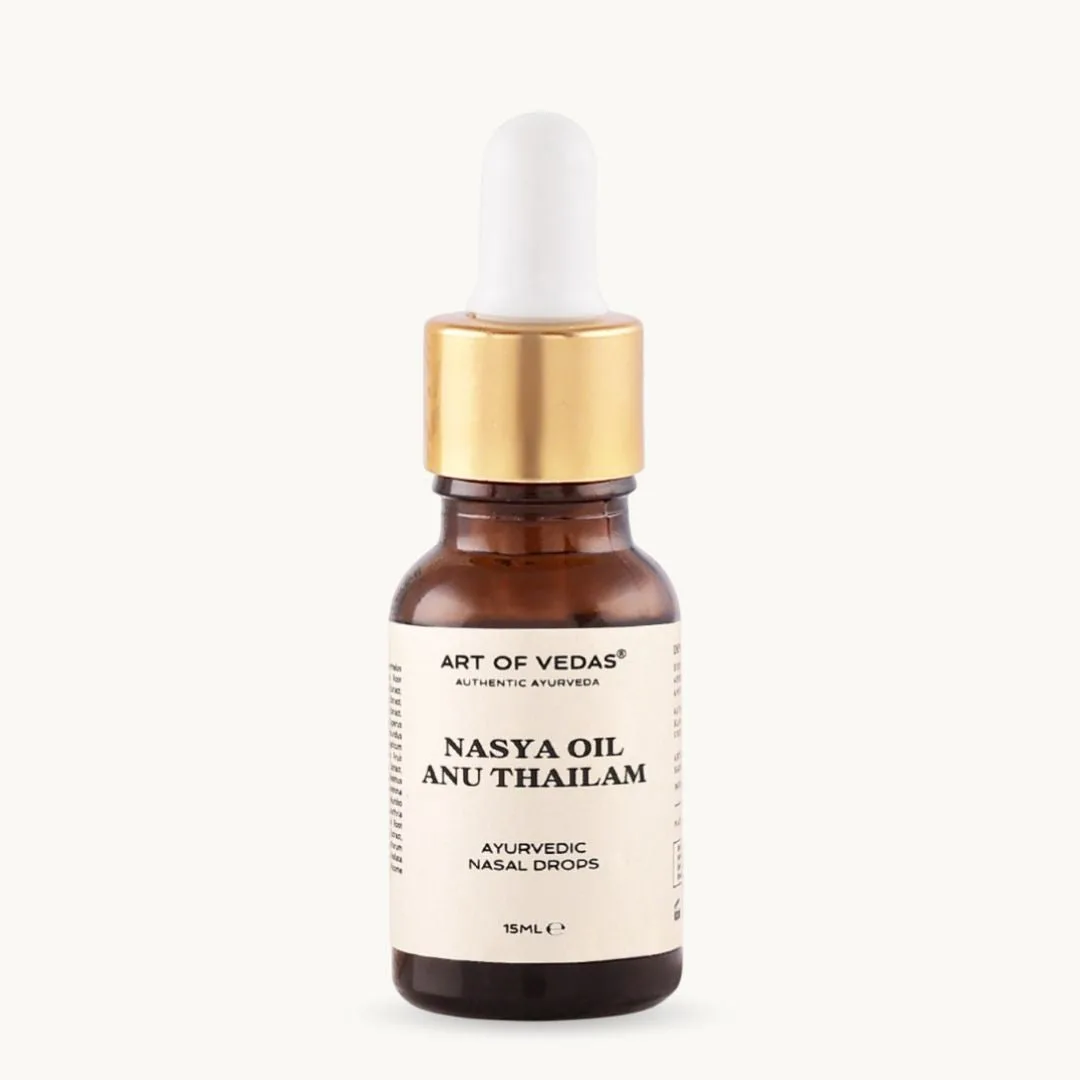
The classical Ayurvedic Thailam (medicated oil) preparations we offer - Dhanwantharam, Mahanarayana, Eladi, Ksheerabala, Anu Taila and others - are formulations with centuries of documented use in Indian Ayurvedic medicine. The herbs they contain are grown in India. The manufacturers who prepare them have maintained the classical Taila Paka process - the specific cooking method that distinguishes a genuine medicated oil from an herbal-infused one - across generations.
Bringing these preparations to Europe while maintaining that manufacturing integrity is the core challenge we navigate. We do so by working with carefully made Indian manufacturers whose quality standards satisfy both classical Ayurvedic criteria and European cosmetics and food supplement regulations.
Read more about our approach to sourcing and classical preparation.
The Kansa Tools: carefully made, for European Practice
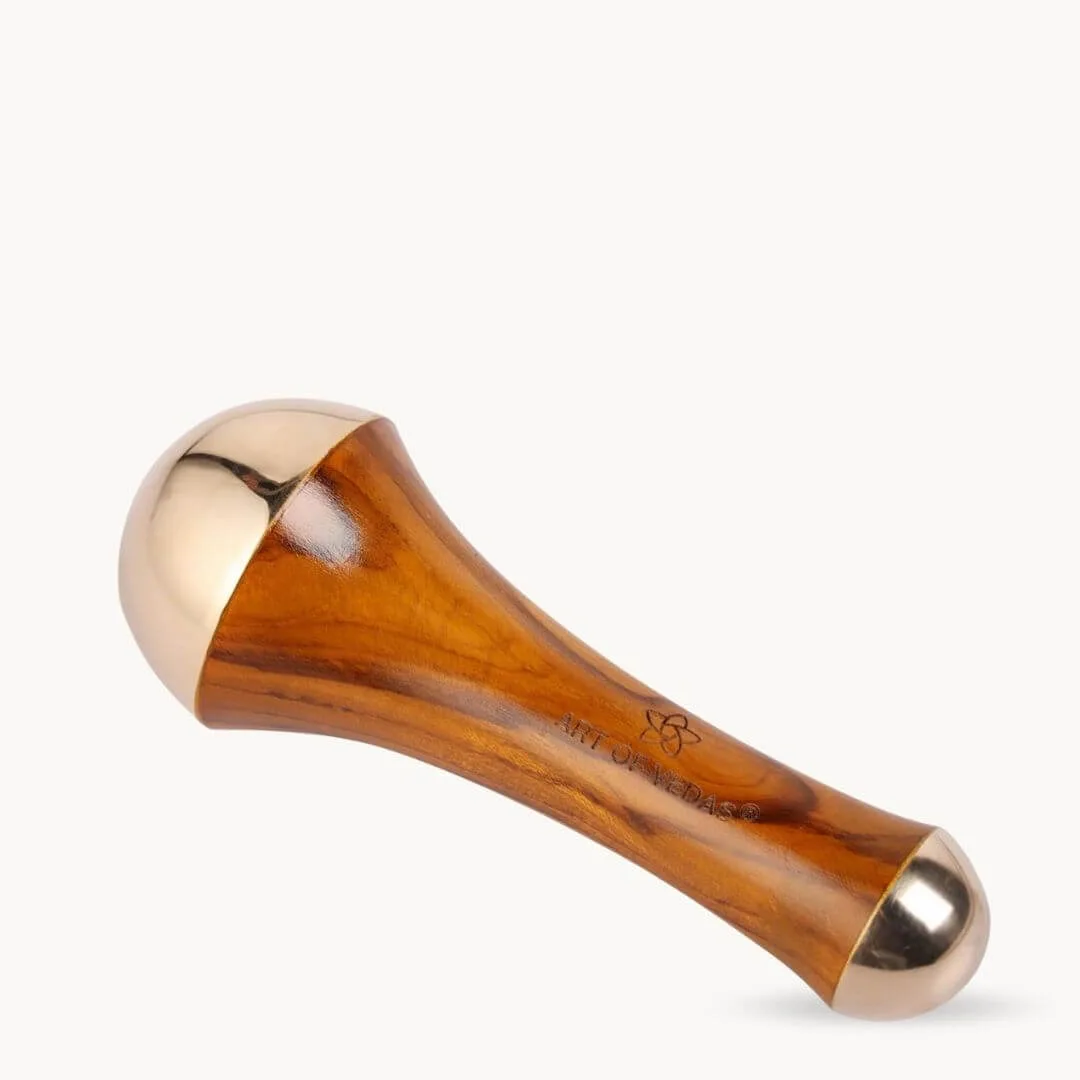
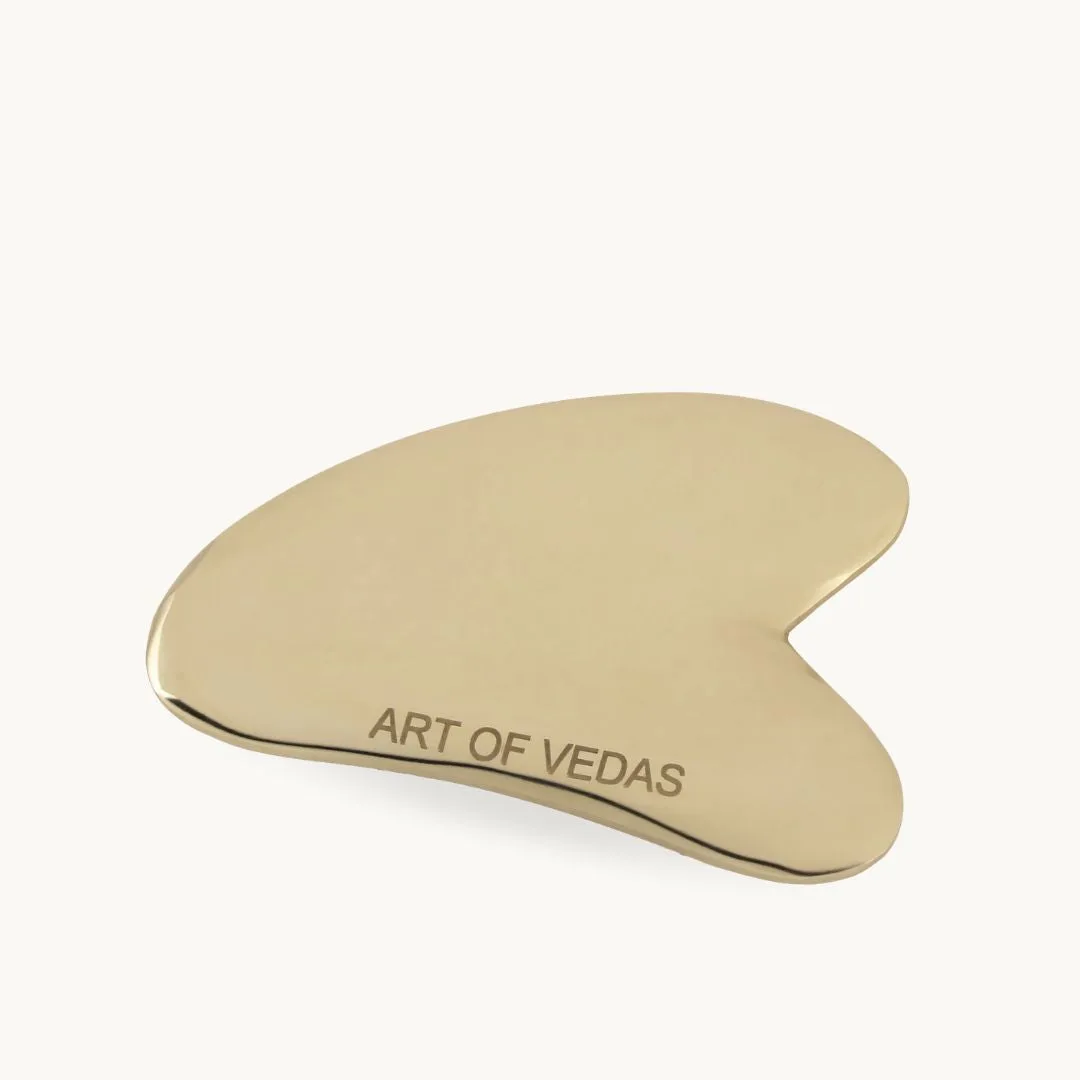
Our Kansa wands and ritual tools are carefully made by traditional artisans who have worked with Kansa alloy - the ancient Indian alloy of copper, tin and zinc - across generations. The alloy composition and the hand-casting process are not things that can be replicated by industrial manufacture, and we have not tried to replicate them that way.
Kansa has a specific cultural and material heritage in India that predates Ayurveda as a textual tradition - its use in ritual, cooking and healing tools goes back thousands of years. Bringing Kansa tools to European practice means working with that heritage, not approximating it.
What is Kansa? Complete guide to the material and its classical properties.
What "Authentic" Actually Means
The word authentic is used so broadly in the wellness industry that it has nearly lost meaning. We try to use it specifically.
For us, authentic means: formulations referenced in classical texts, prepared using classical methods, with herbs carefully selected, by manufacturers who have maintained the tradition of preparation.
It does not mean: products made in Europe with Indian-named herbs, or extracts added to generic bases, or formulations invented for European markets and given classical-sounding names.
The distinction matters because the therapeutic properties attributed to classical Ayurvedic preparations in the texts are the properties of those specific preparations - specific herbs, specific preparation methods, specific ratios. Changing the preparation changes what you have, even if the marketing description remains the same.
How to identify authentic Ayurvedic oils - the complete buying guide for European customers.
EU Compliance and Classical Ayurveda
Operating in European markets requires navigating regulations that were not designed with Ayurvedic products in mind. The EU Cosmetics Regulation, the Food Supplement Directive and various national regulations provide the legal framework for the products we sell - but that framework does not contain the classical Ayurvedic pharmacological vocabulary (Doshas, Dhatus, Agni, Srotas) in which the products are described in their source tradition.
What this means practically: we describe our products in EU-compliant language that does not make claims, while providing the classical Ayurvedic context in our educational content so that customers who want to understand the traditional framework can do so.
We do not describe products as treating, curing, preventing or diagnosing any medical condition. This is both legally required and also, we believe, the correct framing - Ayurveda is a system of constitutional health maintenance and prevention, not a pharmaceutical system of disease treatment.
The Clinical Context
Art of Vedas exists in connection with European Ayurvedic clinical practice. Our AYUSH-certified doctor consultation service reflects the understanding that products without guidance are less effective, and that the classical Ayurvedic system was always intended to be applied with personalised professional guidance.
An online consultation with one of our AYUSH-certified Ayurvedic doctors covers: Prakriti (constitutional type) assessment, Vikriti (current state) assessment, specific product and oil recommendations, dietary and lifestyle guidance, and a personalised daily routine protocol.
Book an online consultation with an AYUSH-certified Ayurvedic doctor
The European Ayurveda Context
Ayurveda has been present in Europe for longer than most Europeans realise. The first European Ayurvedic clinics opened in the 1980s, primarily in Austria, Germany and the UK, through the influence of Maharishi Ayurveda. Since then, a broader and more diverse European Ayurvedic community has developed - practitioners trained in India, clinics offering Panchakarma treatment, yoga schools incorporating Ayurvedic lifestyle principles, and a growing body of European practitioners trained in the classical system.
Art of Vedas was built in and for this existing European Ayurvedic community - and for the considerably larger group of Europeans who are Ayurveda-curious but have not yet found a quality, trustworthy entry point.
If you are new to Ayurveda, the most useful starting point is understanding your constitutional type.
Take our free Dosha assessment. Discover your Ayurvedic constitution here.
For Practitioners and B2B
Art of Vedas supplies Ayurvedic practitioners, Panchakarma clinics, spas, yoga studios and retailers across Europe through our dedicated wholesale platform: shopayurveda.eu
The wholesale platform offers the full professional range - including practitioner-grade preparations, larger formats and direct accounts for regular clinical supply.
Where We Ship
We ship to all EU member states, the United Kingdom, Switzerland, Norway and other European markets. For specific shipping information and international availability, visit our store.
Browse the complete Art of Vedas range
Begin Your Ayurvedic Practice
The three Doshas: Complete introduction to Ayurvedic constitution types
Abhyanga: The classical daily oil self-massage practice
Dinacharya: The classical Ayurvedic daily routine
Nasya: The classical practice of nasal oil therapy