This article is part of our Chyavanprash: The Classical Ayurvedic Rasayana Jam and Its Herbs guide series.
The information in this article is provided for educational purposes and reflects traditional Ayurvedic knowledge. It is not intended as medical advice and should not replace consultation with a qualified healthcare professional.
In brief: Chyawanprash is the most comprehensively described compound Rasayana preparation in the Charaka Samhita. Based on Amalaki (Indian gooseberry), combined with over thirty classical herbs, ghee, honey, and sesame oil, it is described as appropriate for all ages and constitutions and as supporting the quality of all seven body tissues. This guide covers the classical formula, how modern preparations compare, and how to use Chyawanprash effectively.
Chyawanprash: The 3,000-Year-Old Ayurvedic Superfood Formula and How to Use It
Chyawanprash is the only Ayurvedic preparation that gets its own origin story in the classical texts. The Charaka Samhita's account describes a sage named Chyavana, aged and weakened, who was revived by this compound preparation created by the Ashwin twins - divine physicians in Vedic mythology. Whether one takes this narrative literally or as a teaching device, the classical texts use it to introduce a preparation they consider to be among the most significant in the entire Ayurvedic pharmacopoeia: a compound Rasayana formula capable of supporting vitality, tissue quality, and resilience across all constitutions and age groups.
That is a significant claim in a tradition where most preparations are described as appropriate for specific constitutions, specific seasons, or specific imbalances. Understanding why Chyawanprash makes this claim - and how to assess whether modern commercial preparations live up to the classical formula - requires examining what the Charaka Samhita actually says about this preparation and what goes into an authentic version of it.
The Classical Formula: What Chyawanprash Actually Contains
The Charaka Samhita's Chikitsa Sthana provides the most complete classical description of the Chyawanprash formula. At its core is a very large quantity of fresh Amalaki (Indian gooseberry, Emblica officinalis) - the text describes a preparation process that begins with cooking fresh Amalaki in water, extracting the pulp, and then processing it with an extensive list of additional herbs and ingredients.
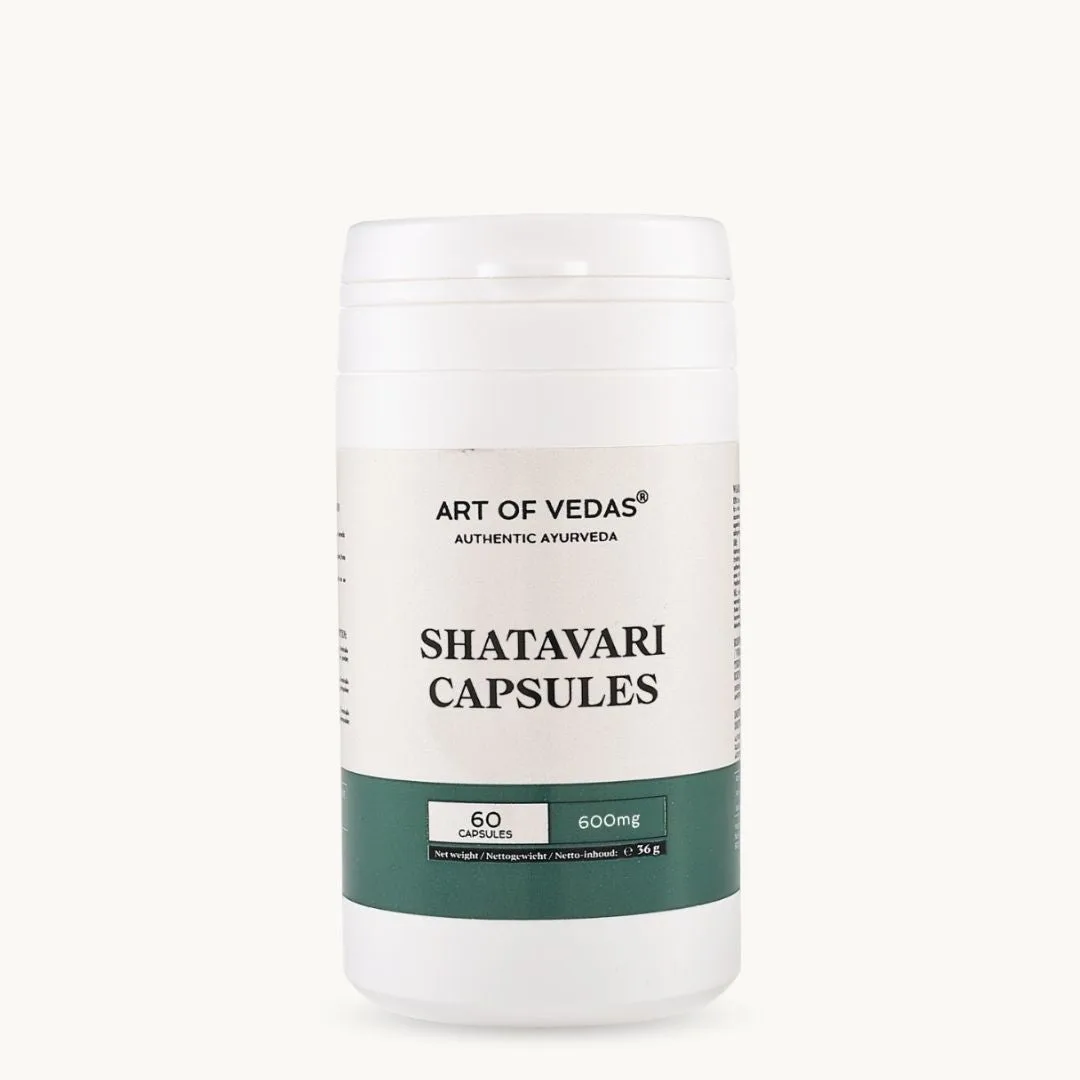
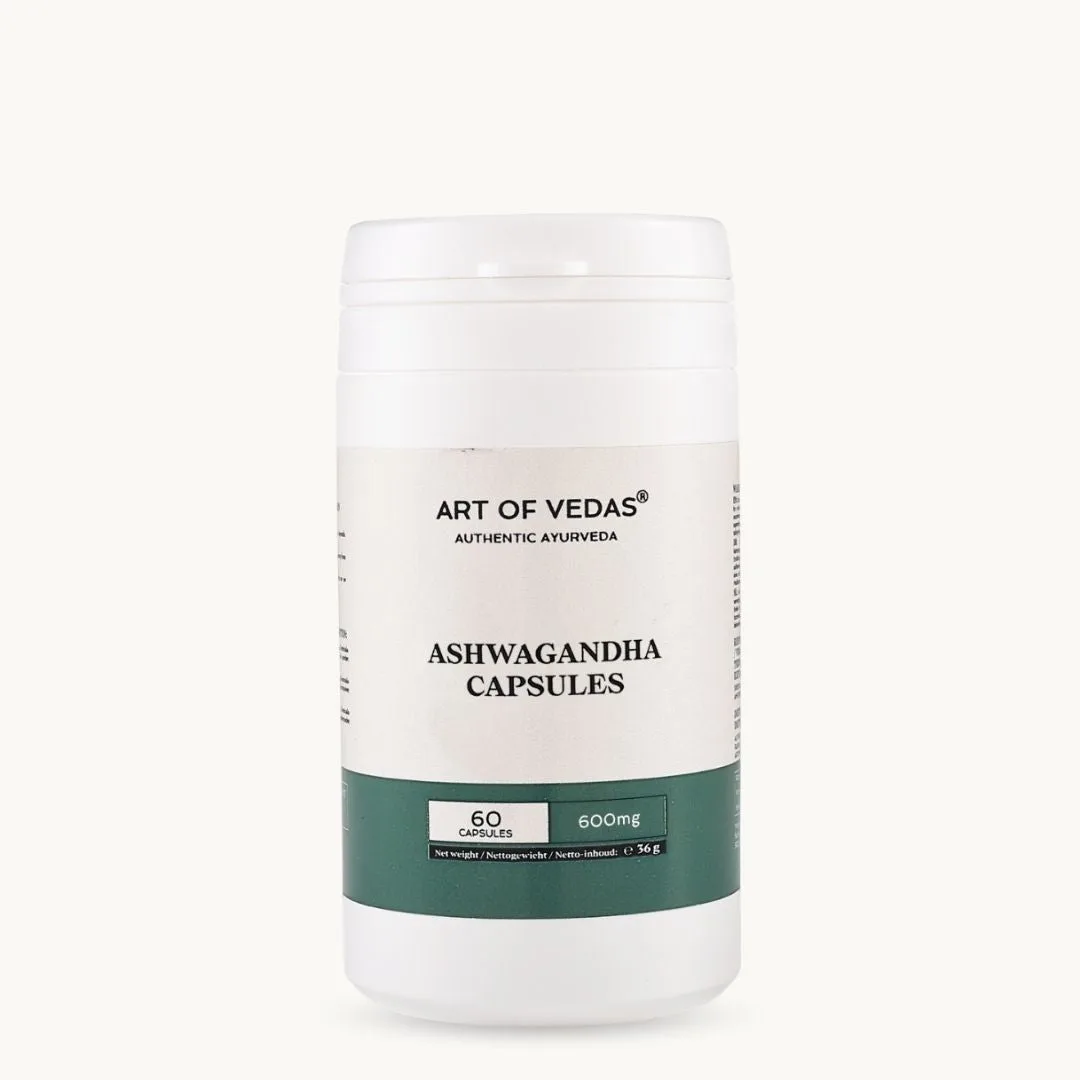
The supporting herbs listed in the classical formula include: Dashamoola (a group of ten roots), Ashwagandha (Withania somnifera), Shatavari (Asparagus racemosus), Pippali (long pepper, Piper longum), Punarnava (Boerhavia diffusa), Bala (Sida cordifolia), and a range of other classical herbs - the full classical formula references over thirty ingredients. The herbs are processed in a specific sequence with ghee (clarified butter) and sesame oil, and the final preparation is combined with honey.
The choice of each ingredient reflects the classical pharmacological framework. Amalaki provides the tridoshic Rasayana base. Ashwagandha contributes Balya and Vata-balancing properties. Shatavari provides its nourishing, Pitta-relevant Rasayana action. Pippali enhances digestive fire and the bioavailability of the other herbs. Dashamoola provides a broad Vata-balancing foundation. Ghee acts as a carrier for the fat-soluble compounds in the herbs and has specific affinity for the deeper tissues, particularly the nervous tissue and reproductive tissue. Honey - added only after the preparation has cooled - acts as a vehicle for distributing the preparation through the subtler channels of the body.
The combination is understood in classical terms not as simply adding up the properties of individual ingredients, but as producing a synergistic preparation that is more complete in its action than any of its components would be individually. This is the principle of Yogavahi - potentiation through combination - operating at the level of a complex multi-ingredient preparation.
What the Classical Texts Say Chyawanprash Does
The Charaka Samhita's description of Chyawanprash's effects is one of the most detailed accounts of any single preparation in the text. The classical description includes: support for the quality of all seven dhatus (body tissues), promotion of vitality and physical strength, support for respiratory health and the voice, sharpening of the senses, enhancement of cognitive clarity, and promotion of what the text describes as Ojas - the refined essence of all seven tissues that in classical theory underlies immunity, mental clarity, and overall resilience.
The Charaka Samhita explicitly describes Chyawanprash as appropriate for all ages - referencing children, adults, and the elderly specifically - and for all constitutions. This tridoshic, pan-generational applicability is what distinguishes Chyawanprash from most other preparations in classical Ayurveda, which are more specifically targeted.
The respiratory emphasis in the classical description is notable. The Charaka Samhita and Ashtanga Hridayam both reference Chyawanprash in the context of supporting respiratory function and the health of the Pranavaha Srotas (respiratory channels). This is consistent with Pippali's well-documented role in Ayurvedic respiratory preparations and with Amalaki's role in supporting immune function - though in classical terms both are described through doshic and tissue frameworks rather than immunological ones.
Modern Chyawanprash: How to Tell Authentic from Inferior
The Chyawanprash market in Europe and India ranges from classical preparations produced by established Ayurvedic pharmacies adhering closely to the traditional formula, to simplified products containing Amalaki, a few herbs, and a label that says "Chyawanprash." The difference is substantial, and most of what determines quality is not obvious from front-of-label marketing.
Ingredient count is one indicator. The classical formula includes over thirty herbs; a preparation listing five to eight ingredients is significantly simplified compared to the classical formula. This does not make a simplified preparation worthless, but it is not the same preparation that the classical texts describe, and claims that reference the classical formula are more appropriate for preparations that more closely approximate it.
The form and quality of Amalaki matters significantly. Some modern preparations use dried Amalaki powder rather than fresh Amalaki processed through the classical cooking method. Others use standardised Amalaki extract, concentrating specific compounds. The classical preparation uses fresh Amalaki cooked in water with the pulp extracted - this process is described in the texts as essential for releasing the full Rasayana properties of the fruit. Fresh-processed Amalaki preparations are more labour-intensive and more expensive to produce, which is reflected in the price difference between classical and simplified products.
Sugar content is worth noting. Traditional Chyawanprash uses raw cane sugar (Mishri) as part of the preparation base alongside honey, and classical preparations contain a meaningful quantity of sweetener. Modern versions sometimes substitute other sweeteners or reduce sugar content for Western health-conscious consumers. The classical texts' inclusion of sweet taste as central to the preparation - consistent with Amalaki's own sweet post-digestive effect and with the nourishing Rasayana function of sweet taste in the classical framework - is worth understanding before evaluating reformulations.
Seasonal availability of fresh Amalaki affects authentic production. Chyawanprash produced by classical Ayurvedic pharmacies using fresh Amalaki is typically produced in the autumn months when Amalaki is in season. Year-round production at consistent large volume is a quality signal worth questioning for premium preparations.
How to Use Chyawanprash: Classical Method
The classical method for taking Chyawanprash is one to two teaspoons consumed in the morning, typically with warm water. The Charaka Samhita and Ashtanga Hridayam both reference warm water as the anupana for Chyawanprash, consistent with milk's classical role as a carrier that enhances the nourishing and tissue-building aspects of Rasayana preparations.
Morning use on an empty stomach or before breakfast is the most common classical recommendation, though the Ashtanga Hridayam also references use in the evening in some contexts. The morning practice, before the digestive system has been engaged with other food, allows Chyawanprash's properties to be assimilated without competing with active digestion.
Chyawanprash can also be taken by spreading it on warm bread or mixing it into warm porridge - practical approaches for those who find the morning milk preparation difficult to maintain consistently. Consistency of daily practice over weeks and months is the most important variable; the precise method of consumption is secondary to establishing a reliable routine.
Children can take Chyawanprash in reduced doses - the classical texts describe it as appropriate for children specifically. A quarter to half teaspoon with warm water in the morning is a common approach for children old enough to take the preparation safely. Chyawanprash has a pleasant, jam-like consistency and a complex sweet-sour taste that most children find more acceptable than other Ayurvedic preparations.
Browse the Art of Vedas supplements collection for Chyawanprash and other classical Rasayana preparations carefully selected.
Frequently Asked Questions
What is Chyawanprash and what does it do?
Chyawanprash is the most comprehensively described compound Rasayana in the Charaka Samhita. Based on Amalaki combined with over thirty classical herbs, ghee, honey, and sesame oil, it is described as supporting all seven body tissues, physical vitality, respiratory health, and Ojas - the refined essence of resilience. It is appropriate for all ages and constitutions, making it one of the most broadly applicable preparations in classical Ayurveda.
How should I take Chyawanprash?
One to two teaspoons in the morning with warm water - the Charaka Samhita and Ashtanga Hridayam both reference warm water as the preferred carrier. Morning use before or with breakfast is most common. It can also be spread on warm bread or mixed into warm porridge. Consistent daily practice over weeks and months is the most important variable; the preparation's Rasayana effects develop gradually through sustained use.
Is all Chyawanprash the same quality?
No - quality varies significantly. Key indicators of more authentic preparation include a high ingredient count (the classical formula lists over thirty herbs), use of fresh Amalaki processed through the classical cooking method, and production by established Ayurvedic pharmacies following traditional methods. The price difference between classical and simplified preparations reflects genuine differences in production complexity and ingredient quality.
Can children take Chyawanprash?
Yes - classical texts describe Chyawanprash as appropriate for children specifically. A quarter to half teaspoon with warm water in the morning is a common approach. Chyawanprash has a jam-like consistency and a complex sweet-sour taste that most children find more acceptable than other Ayurvedic preparations. For children with specific health conditions or on medication, consult a qualified healthcare professional first.
Explore Chyawanprash and Rasayana Supplements at Art of Vedas
Browse our supplements collection for Chyawanprash and classical Rasayana preparations. Related reading: Amalaki complete guide, Amalaki superfruit guide, classical Rasayana in Ayurveda, and Ayurvedic immunity guide.
This product is a food supplement and not intended to diagnose, treat, cure or prevent any disease.