Gulika and Vati: Classical Ayurvedic Tablets
Gulika, Vati, and Gutika - the classical Ayurvedic tablet and pill forms - represent the portable, precise-dosing end of the Ayurvedic pharmaceutical spectrum. Where Kashayams are freshly prepared liquids and Lehyams are semi-solid confections, Gulika are solid preparations that can be stored, transported, and dosed with accuracy. They are the classical precursor to modern tablets - and in many ways, more sophisticated.
How Classical Tablets Are Made
The Traditional Method
Herbs are finely powdered, then mixed with a binding medium - typically a decoction of the same or related herbs, fresh plant juice, honey, ghee, or guggulu resin. The resulting paste is rolled into uniform pills or moulded into tablets, then dried. The binding medium is not an inert excipient - it is a therapeutically active component that contributes to the formulation's overall action and determines the preparation's tissue-targeting properties.
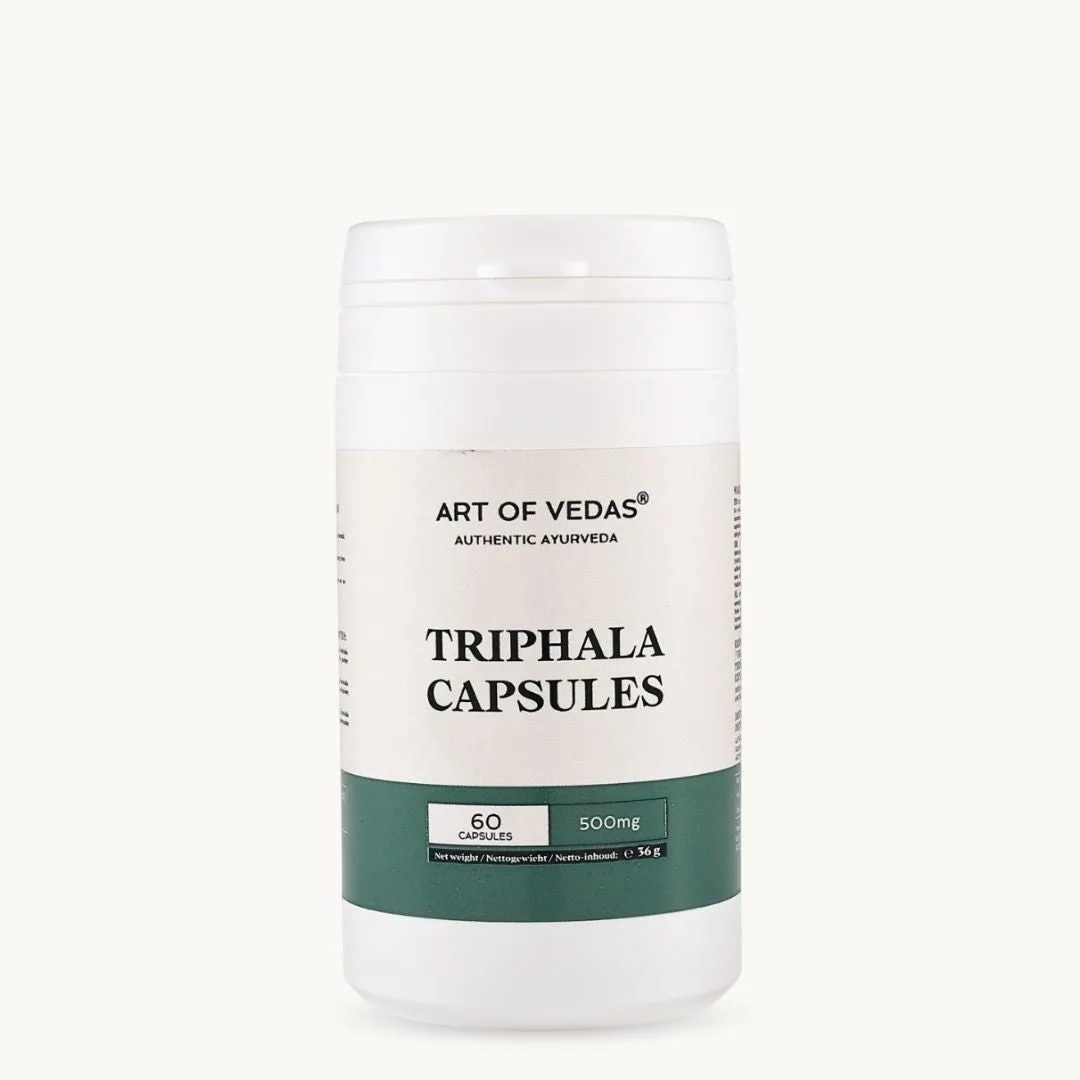
This contrasts with modern supplement capsules, where herb powder is simply encapsulated in gelatin or cellulose with no processing relationship between the herb and its container. In a classical Gulika, the binding medium and the herb work together as an integrated formulation.
Guggulu-Based Preparations
A major subcategory of classical tablets uses Guggulu (the purified resin of Commiphora mukul) as both the binding medium and a primary therapeutic ingredient. Guggulu itself is classified as Lekhana (scraping/reducing) and channel-clearing - making Guggulu-based Vatis particularly effective for conditions involving channel blockage, tissue accumulation, and Kapha-Vata compound presentations.
Major Classical Formulations
Guggulu-Based Vatis
Yogaraja Guggulu: One of the most important classical Vata-pacifying formulations - containing Triphala, Trikatu, and numerous other herbs bound in purified Guggulu. Traditionally valued for musculoskeletal conditions, joint health, and general Vata disorders.
Kaishore Guggulu: A Pitta-pacifying Guggulu formulation - traditionally valued for inflammatory conditions, particularly those affecting joints and skin with heat components.
Triphala Guggulu: Combines the three Triphala fruits with Guggulu - traditionally used for metabolic support, channel-clearing, and gentle reduction of accumulated Kapha and Ama.
Punarnavadi Guggulu: Centred on Punarnava (Boerhavia diffusa) - traditionally valued for kidney and urinary tract support, and for conditions involving fluid accumulation.
Non-Guggulu Tablets
Chandraprabha Vati: A broad-spectrum classical formulation containing multiple herbs - traditionally valued for urinary tract support, metabolic health, and general vitality.
Arogyavardhini Vati: Literally "the tablet that enhances health" - a classical formulation traditionally valued for liver support and Pitta-Kapha metabolic conditions.
Sanjivani Vati: A classical emergency formulation - traditionally used for acute digestive disturbance, Ama conditions, and as a general Agni-restoring preparation.
Administration
Classical tablets are typically taken with warm water, honey, or ghee depending on the specific formulation and the target tissue. The Anupana (vehicle) is a clinical decision - warm water enhances absorption generally, ghee targets fat-soluble tissues, honey provides a Kapha-reducing vehicle, and milk provides a nourishing, Pitta-pacifying carrier.
Dosage is typically 1, 2 tablets, two to three times daily, as prescribed. The standardised size of classical tablets allows precise, reproducible dosing - an advantage over loose Churnam preparations where measuring can be inconsistent.
Classical Tablets vs Modern Capsules
Modern capsulated Ayurvedic supplements typically contain a single herb powder in a gelatin or cellulose capsule. Classical Gulika contain multiple herbs in specific proportions, processed with a therapeutically active binding medium, following formulations developed and refined over centuries of clinical use. The distinction matters: a capsule of Ashwagandha powder and a classical Ashwagandha-containing Vati are different products with different therapeutic profiles.
When purchasing Ayurvedic tablets, the genuine products guide helps distinguish classical formulations from modern repackaged single-herb supplements.
For guidance on which classical formulation suits your specific needs, an Ayurvedic consultation provides the clinical assessment that product selection requires.
Classical Ayurvedic knowledge for educational purposes. Food supplement - not intended to diagnose, treat, cure, or prevent any disease.