In brief: Kizhi, the classical Pinda Sweda, uses warm cloth boluses filled with rice, herbal powder or leaves and applied rhythmically. A room that offers it needs the filling, the cloth or ready-made bags to hold it, and a warm oil in which the boluses are heated during the treatment.
The forms of Kizhi
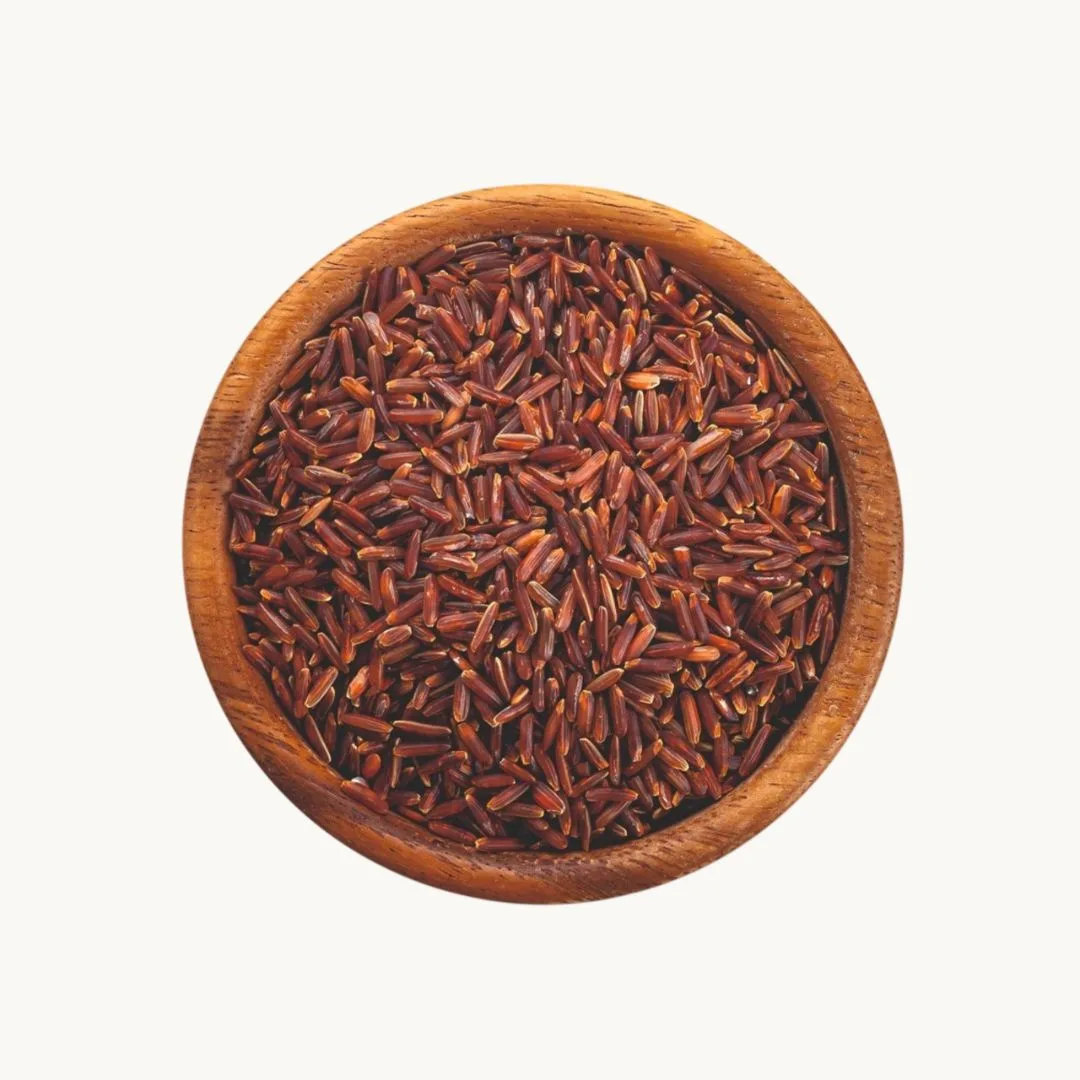
- Navarakizhi: boluses of Navara rice, known in Sanskrit as Shashtika Shali, the sixty-day rice. The rice is cooked before it is tied into the cloth, following the practitioner's own preparation.
- Podikizhi (Churna Pinda Sweda): boluses of herbal powder, warmed before and during the treatment. Kolakulathadi Churnam is a common choice.
- Elakizhi (Patra Pinda Sweda): boluses of fresh leaves and other ingredients prepared by the therapist. The leaves are bought fresh, locally; the cloth and the oil come with the rest of the supplies.
What we supply for Kizhi
Planning quantities
Kizhi draws on three supplies at once: the filling, the cloth and the oil. Measure all three per session over four weeks, then set reorder levels from those figures, with the oil planned in the same litres-per-week terms as the rest of the room. Our note on planning oil quantities for a Panchakarma room explains the method.
Storage
Keep Navara rice sealed, dry and cool, as you would any grain, and decant a working amount rather than opening the main pack every day. Keep powders closed and away from steam and wet hands, since moisture spoils them faster than time. Store cloth clean and dry, away from oils and powders.
Hygiene
Each bolus is prepared for one client and is not used for another. Oil used for heating boluses stays with that client's treatment and never goes back into a stock container. Clean vessels and working surfaces between clients, and dry them before the next use.
Ordering
Kizhi supplies are ordered with the rest of the treatment-room range through Shop Ayurveda EU, our platform for professional buyers. The equipment that surrounds the treatment, from the Dhroni table to the Swedana box, is covered in our guide to Panchakarma equipment, and the complete range is on our wholesale page.
Common questions
Is Navara rice the same as ordinary red rice?
No. Navara is a specific rice, known in Sanskrit as Shashtika Shali, the sixty-day rice, and it is the classical grain for Navarakizhi.
Can bolus bags be reused?
Each bolus is prepared for one client and is not used for another. Keep a stock of bags or cloth in line with the number of sessions you run.
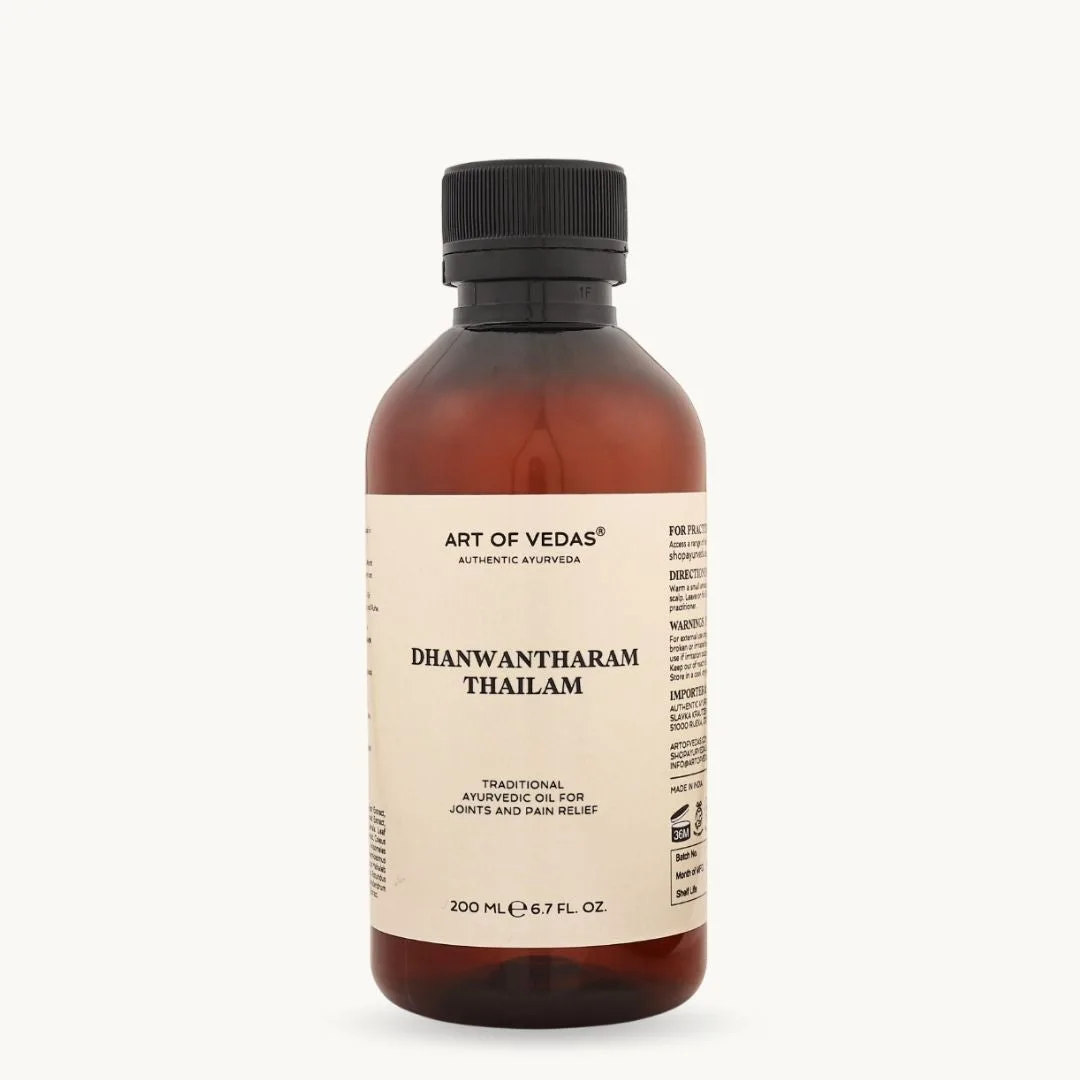
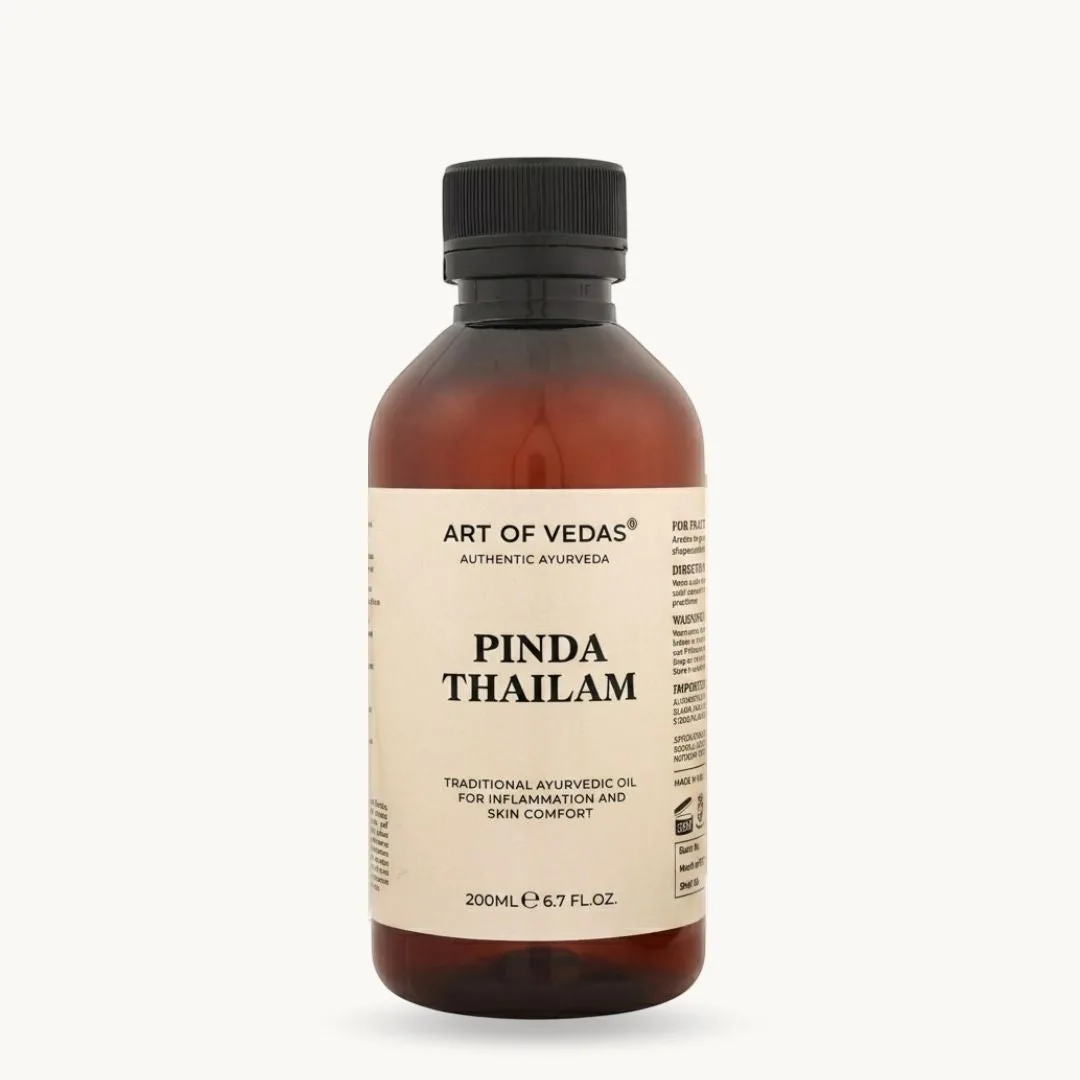
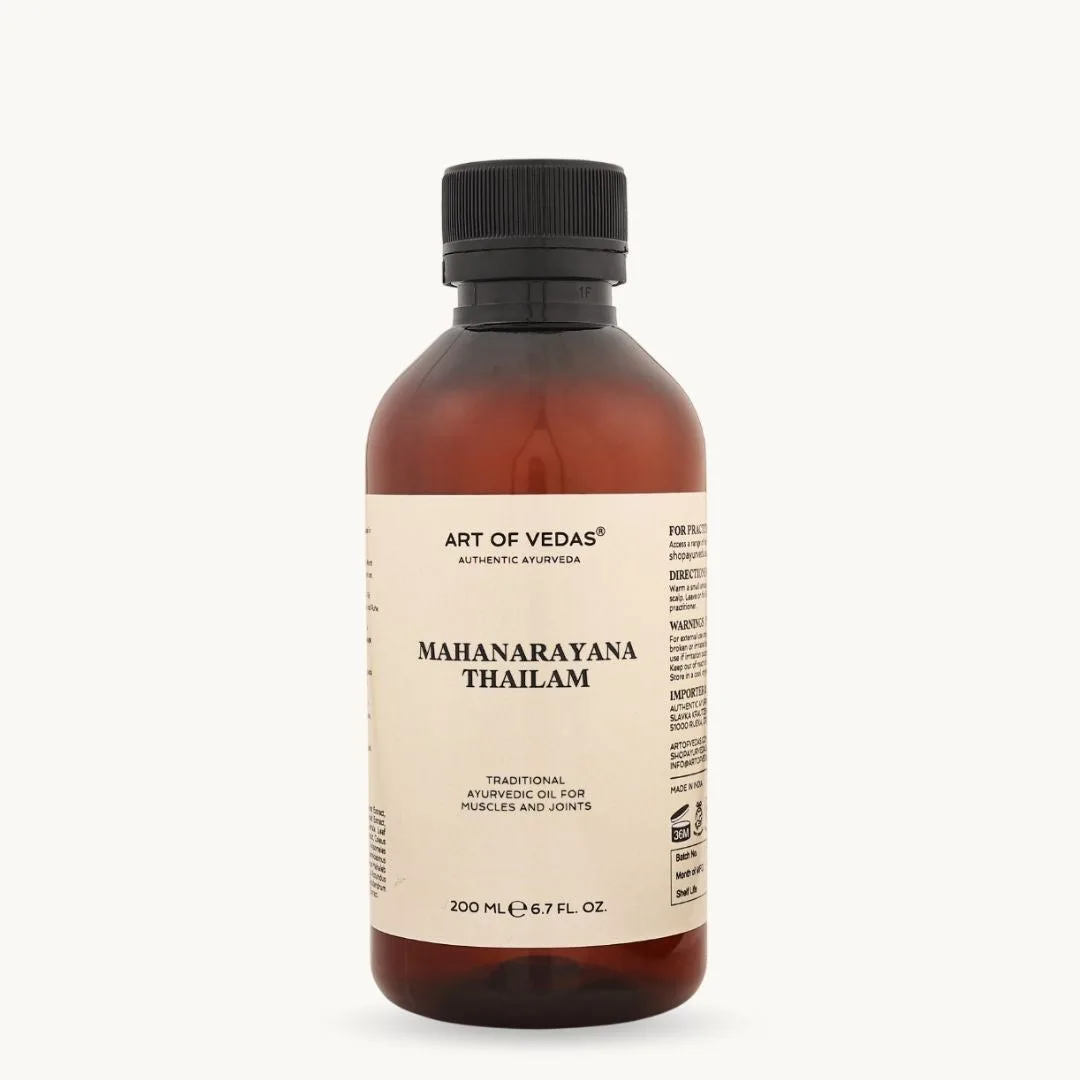
Which oil is used to heat the boluses?
The practitioner chooses it for the client. General Abhyanga oils in 1 litre or 5 litre formats are the usual working stock.