What Is Nasya?
Nasya is the Ayurvedic practice of administering medicated oil, herbal preparations, or other substances through the nostrils. It is one of the five classical Panchakarma therapies described in the foundational texts of Ayurveda, and the Ashtanga Hridayam states plainly: "Nasa hi shiraso dwaram" - the nose is the gateway to the head.
This is not a metaphor. In Ayurvedic anatomy, the nasal passages provide direct access to the structures of the head, including the sinuses, the sensory organs, and the seat of Prana (vital energy). The Charaka Samhita devotes an entire section to Nasya therapy, classifying it as the primary treatment approach for conditions above the clavicle.
For practitioners and patients in a clinical Panchakarma setting, Nasya can involve strong herbal preparations administered in precise quantities under supervision. But the tradition also provides a gentler form for daily home use: Pratimarsha Nasya. This is the version most relevant to modern life in Europe, and it is the focus of this guide.
Pratimarsha Nasya: The Daily Home Ritual
Pratimarsha Nasya is the mildest form of Nasya therapy. It uses just one or two drops of medicated oil in each nostril and can be performed daily without practitioner supervision. The Ashtanga Hridayam specifically states that Pratimarsha Nasya is safe for daily use across all seasons, all ages (from children to the elderly), and all constitutional types.
The purpose is maintenance rather than treatment. Regular Pratimarsha Nasya is traditionally used in Ayurveda to support the health of the nasal passages, to nourish the tissues of the head and neck, and to maintain clear, comfortable breathing. It forms part of Dinacharya (the classical Ayurvedic daily routine), alongside practices like Abhyanga (warm oil self-massage), tongue scraping, and oil pulling.
Anu Thailam: The Classical Nasya Oil
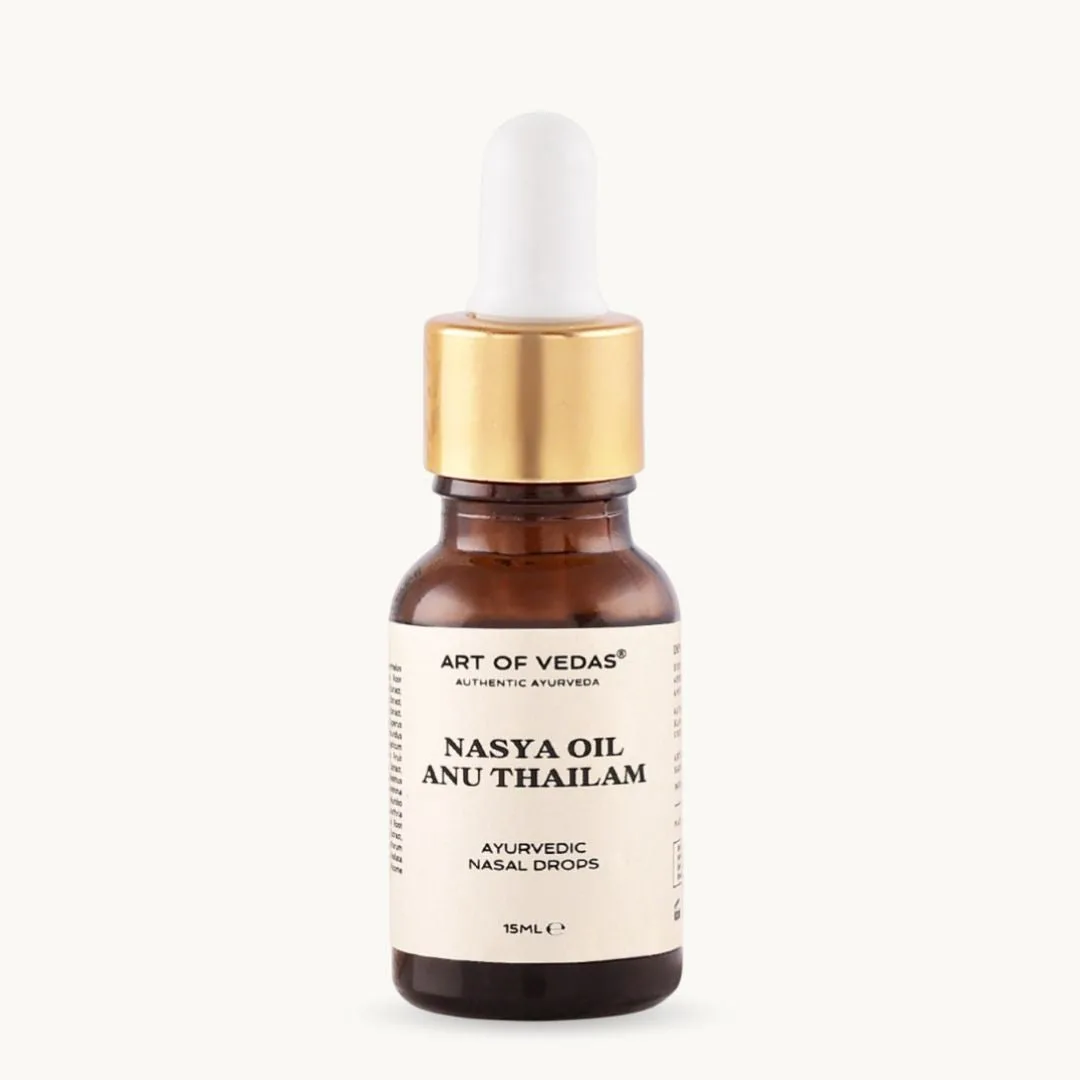
While several oils can be used for Nasya, the classical texts give special prominence to one formulation: Anu Thailam. This is a complex medicated oil described in the Ashtanga Hridayam, prepared according to the traditional Taila Paka Vidhi (oil cooking method) with a base of sesame oil and a precise combination of herbs, and goat's milk.
The ingredients of Anu Thailam include:
-
Sesame oil base: Warming, penetrating, and nourishing. Sesame is considered the king of oils in Ayurveda
-
Jivanti (Leptadenia reticulata): A Rasayana herb traditionally used to support tissue nourishment
-
Devadaru (Cedrus deodara): An aromatic wood traditionally used in Ayurveda for its clarifying properties
-
Daruharidra (Berberis aristata): A bitter herb traditionally used to support healthy mucous membranes
-
Bilva (Aegle marmelos): One of the sacred trees of Ayurveda, traditionally used to support Vata balance
-
Milk and goat's milk: Used in the cooking process to impart cooling, nourishing qualities to the final oil
The combination of warming sesame oil with cooling milk-processed herbs makes Anu Thailam suitable for all three Doshas (Vata, Pitta, and Kapha), though it is especially valued for Vata and Kapha constitutions where dryness or congestion in the nasal passages is common.
How to Practise Nasya at Home
When to Practise
The best time for Pratimarsha Nasya is in the morning, after brushing your teeth and scraping your tongue, but before breakfast. It can also be done before yoga or meditation practice, as the classical texts note that Nasya supports clarity and focus. Some practitioners also recommend a second application in the evening.
Avoid Nasya immediately after eating, after a hot shower or bath, during acute illness with fever, or during menstruation (classical Ayurvedic guidance recommends rest during this time).
Step-by-Step Ritual
-
Warm the oil: Place the bottle of Anu Thailam in a cup of warm water for 2 to 3 minutes. The oil should be comfortably warm, never hot. Test a drop on the inside of your wrist
-
Prepare your position: Sit comfortably and tilt your head back slightly, or lie down on your back with a small pillow under your shoulders so your head tilts naturally backward
-
Apply the oil: Using the dropper or your clean little finger, place 2 drops of warm oil into the right nostril. Close the left nostril gently with a finger and inhale softly through the right nostril to draw the oil inward. Do not sniff forcefully
-
Repeat on the other side: Place 2 drops into the left nostril. Close the right nostril and inhale gently
-
Rest: Remain in the reclined position for 30 seconds to 1 minute. Allow the oil to coat the nasal passages naturally
-
Clear excess: Sit up slowly and spit out any oil that drains into the throat. This is normal. You may gently blow your nose if needed, but do not force it
-
Gentle massage: With warm fingers, massage the sides of the nose, the sinus area beside the nostrils, and the forehead lightly. This is traditionally understood to help the oil distribute through the nasal tissues
What to Expect
On first use, you may notice a slightly warming sensation in the nasal passages. This is the sesame oil base at work and is entirely normal. Some people experience a mild increase in nasal discharge in the hours following Nasya, particularly in the first few days of regular practice. This is traditionally understood as the body clearing accumulated Kapha (mucus) from the nasal passages.
With regular daily practice over two to four weeks, most people report a noticeable sense of clarity and comfort in the nasal area, particularly during the dry winter months or in environments with air conditioning or central heating.
Who Benefits Most from Nasya?
Vata Types
People with a predominantly Vata constitution (characterised by dryness, lightness, and cold) often experience dry nasal passages, particularly in autumn and winter. The oily, warming qualities of Anu Thailam directly counterbalance these Vata tendencies. For Vata types, daily Nasya is considered one of the most important Dinacharya practices.
Kapha Types
Kapha constitutions (characterised by heaviness, moisture, and coolness) may experience a sense of congestion or heaviness in the head, particularly in spring. The penetrating quality of the sesame oil base, combined with the clarifying herbs in Anu Thailam, is traditionally used to support comfort in Kapha-dominant individuals.
Pitta Types
Pitta constitutions can also benefit from Nasya, though the warming quality of sesame-based oils means Pitta types may prefer to practise every other day rather than daily, or to use plain ghee as an alternative during the hot summer months.
Anyone Living in Dry or Artificial Environments
Modern European life often means spending hours in heated, air-conditioned, or low-humidity environments. The nasal passages are designed for a certain level of moisture, and prolonged dryness can cause discomfort. Regular oil application through Nasya is traditionally used to maintain the natural moisture balance of the nasal tissues.
Nasya and the Broader Dinacharya
Nasya does not exist in isolation. In the classical daily routine, it sits alongside other practices that together form a comprehensive system of daily maintenance:
-
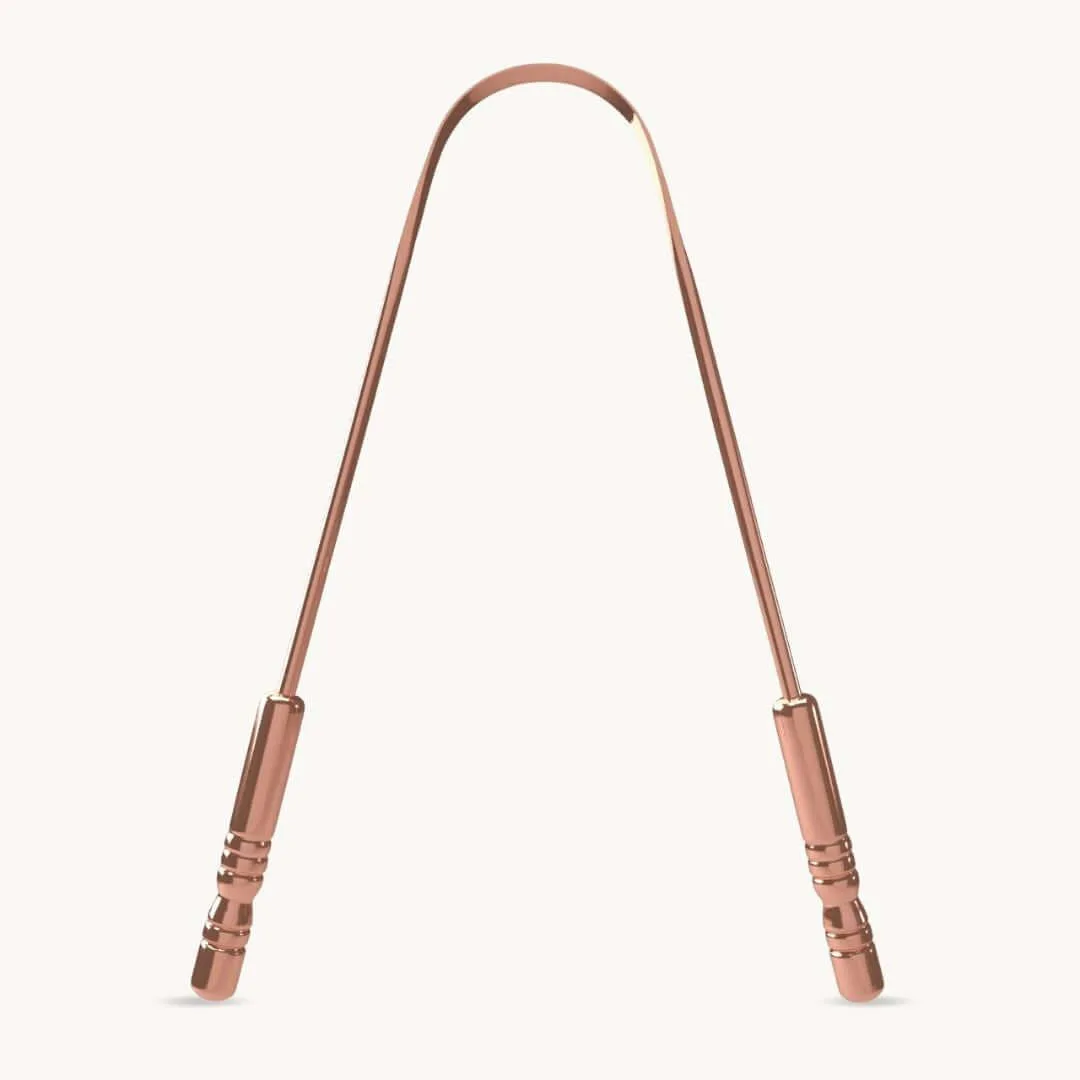
Tongue scraping: Clears overnight accumulation from the tongue
-
Oil pulling: Supports oral health using sesame or coconut oil
-
Nasya: Nourishes the nasal passages and supports the head
-
Abhyanga: Warm oil self-massage for the entire body
-
Warm water: Drinking warm water on an empty stomach to kindle Agni (digestive fire)
Each practice takes only a few minutes. Together, they form the backbone of Ayurvedic preventative care - a system designed not to treat illness but to maintain health day by day.
Quality Matters: Choosing Your Nasya Oil
Because Nasya oil is applied to the sensitive mucous membranes of the nose, quality is particularly important. Look for:
-
Classical preparation: Genuine Anu Thailam is prepared using the Taila Paka Vidhi method, with herbs cooked slowly into oil over hours. Quick infusions do not produce the same result
-
carefully made manufacture: The oil should come from a facility with Good Manufacturing Practice certification
-
Pure ingredients: No synthetic fragrances, preservatives, or mineral oils. The ingredient list should match the classical formulation
-
Proper packaging: Dark glass bottles protect the oil from light degradation. A dropper cap makes precise application easy
Art of Vedas sources Anu Thailam from carefully made manufacturers who prepare the oil according to the classical method described in the Ashtanga Hridayam. Each batch is tested for purity and safety before import into Europe.
Getting Started
If you are new to Nasya, begin with Pratimarsha Nasya using 2 drops per nostril each morning for one week. Observe how your body responds. Most people find the practice quickly becomes a valued part of their morning, taking less than two minutes from start to finish.
For a deeper understanding of Nasya therapy and its role in Panchakarma, read our complete guide to Nasya therapy. To explore the full range of classical Ayurvedic oils, visit our Ayurvedic oils collection.