The information in this article is provided for educational purposes and reflects traditional Ayurvedic knowledge. It is not intended as medical advice and should not replace consultation with a qualified healthcare professional.
In brief: Spring in classical Ayurveda is Kapha season - the period when the Kapha that accumulated during winter begins to liquefy and move through the body's channels, creating conditions that the classical texts describe as ideal for an annual purification. This is what a genuine Ayurvedic spring cleanse looks like according to the Charaka Samhita's seasonal guidelines, and why it works differently from modern detox approaches.
Spring Ayurveda: Why Kapha Season Is the Time for Your Annual Cleanse
The modern wellness industry promotes cleansing and detoxing in January - the post-holiday period of resolution and guilt. Classical Ayurveda places the annual purification in spring, and the reasoning is both more sophisticated and more practically grounded than the modern January cleanse.
The Charaka Samhita's Ritucharya - its seasonal health guidelines - describes the year in terms of the natural movement of the doshas through the seasons. Winter is the season of Kapha accumulation: the cold, heavy, damp qualities of winter increase Kapha in the body's tissues and channels. By the end of winter, Kapha has accumulated to its annual maximum. When spring arrives and the temperature begins to rise, this accumulated Kapha begins to liquefy and mobilise - it loosens from the tissues and moves through the channels. This is described in classical texts as an opportunity: the accumulated Kapha is already in motion, already moving toward elimination. The spring cleanse works with this natural process rather than imposing purification on a body that is not yet ready for it.
This is why the Charaka Samhita recommends spring as the primary season for Shodhana (purification) and why many classical Panchakarma protocols are timed for spring: the body's own seasonal rhythm supports the purification process in a way that is not present in January, when Kapha is still at its accumulation peak and not yet ready to move.
The Signs of Accumulated Winter Kapha
The Charaka Samhita's spring chapter describes the signs that indicate accumulated Kapha needing seasonal clearance. Many of these will be immediately recognisable to anyone who has experienced a typical Northern European late winter.
Heaviness in the body - a persistent physical heaviness that feels different from simple tiredness, a kind of weighted, sluggish quality to the body's movement. Dullness of the sense organs - food may seem less flavorful, the mind less sharp, the eyes less bright. Morning fatigue - difficulty waking and an extended morning heaviness that does not clear quickly after waking, despite adequate sleep. Sluggish digestion - a reduced appetite, particularly in the morning; slow digestion; a tendency toward heaviness and bloating after eating. Increased mucus production - the classical sign most clearly associated with Kapha, increased through the respiratory passages in late winter and early spring. A general sense of flatness, reduced motivation, and reduced physical energy that contrasts with how the same person feels in summer.
These are not symptoms of disease in the classical framework - they are the expected consequence of a healthy body accumulating Kapha through the winter, as the Charaka Samhita describes. The question is not whether they are present but whether they are significant enough to warrant active seasonal management.
The Classical Spring Protocol: What Ritucharya Recommends
The Charaka Samhita's Ritucharya for spring (Vasanta Ritu) provides specific recommendations across food, herbs, and practices. These are not a general "eat less sugar" approach - they are targeted interventions designed to work with the natural Kapha mobilisation of the season.
The dietary recommendations for spring are perhaps the most immediately actionable. The Charaka Samhita specifies reducing or eliminating the Kapha-increasing foods that were appropriate for winter: heavy, sweet, oily, and cold preparations. Spring dietary guidance emphasises light, warm, dry, and bitter foods - the bitter taste is specifically described as Kapha-reducing and Ama-clearing. Practical examples from a European diet: bitter greens (dandelion, radicchio, rocket), warm soups with stimulating spices (ginger, black pepper, cumin, coriander), avoiding heavy dairy preparations and cold beverages, eating the main meal at midday when Agni is strongest, and keeping evening meals light and warm.
Vigorous physical activity is given specific emphasis in the Charaka Samhita's spring guidance - more vigorous than other seasons, because Kapha's heavy and static qualities require active counter-stimulation to mobilise fully. The classical texts describe exercise in spring as essential for preventing the accumulated Kapha from settling back into the tissues after its initial mobilisation. Morning exercise specifically, before eating, is described as maximally effective for Kapha reduction.
The practice of dry brushing - Udwarthana in classical Ayurveda - is specifically referenced in the Charaka Samhita's spring chapter. Unlike the oiled Abhyanga appropriate for autumn and winter, spring calls for dry stimulation: powdered herb applications rubbed into the skin in the opposite direction to hair growth, stimulating circulation, reducing subcutaneous Kapha, and activating the channels without adding the unctuous quality that would increase Kapha further. This is the classical Ayurvedic practice that preceded the modern dry brushing trend by two thousand years.
Spring Herbs: Kapha Reduction and Ama Clearance
The Charaka Samhita's spring chapter describes specific herbs appropriate for the seasonal Kapha-clearance process. These work through three main mechanisms: stimulating Agni to clear the Ama that accumulated alongside Kapha, directly reducing excess Kapha in the channels, and supporting the elimination of mobilised Kapha through the appropriate channels.
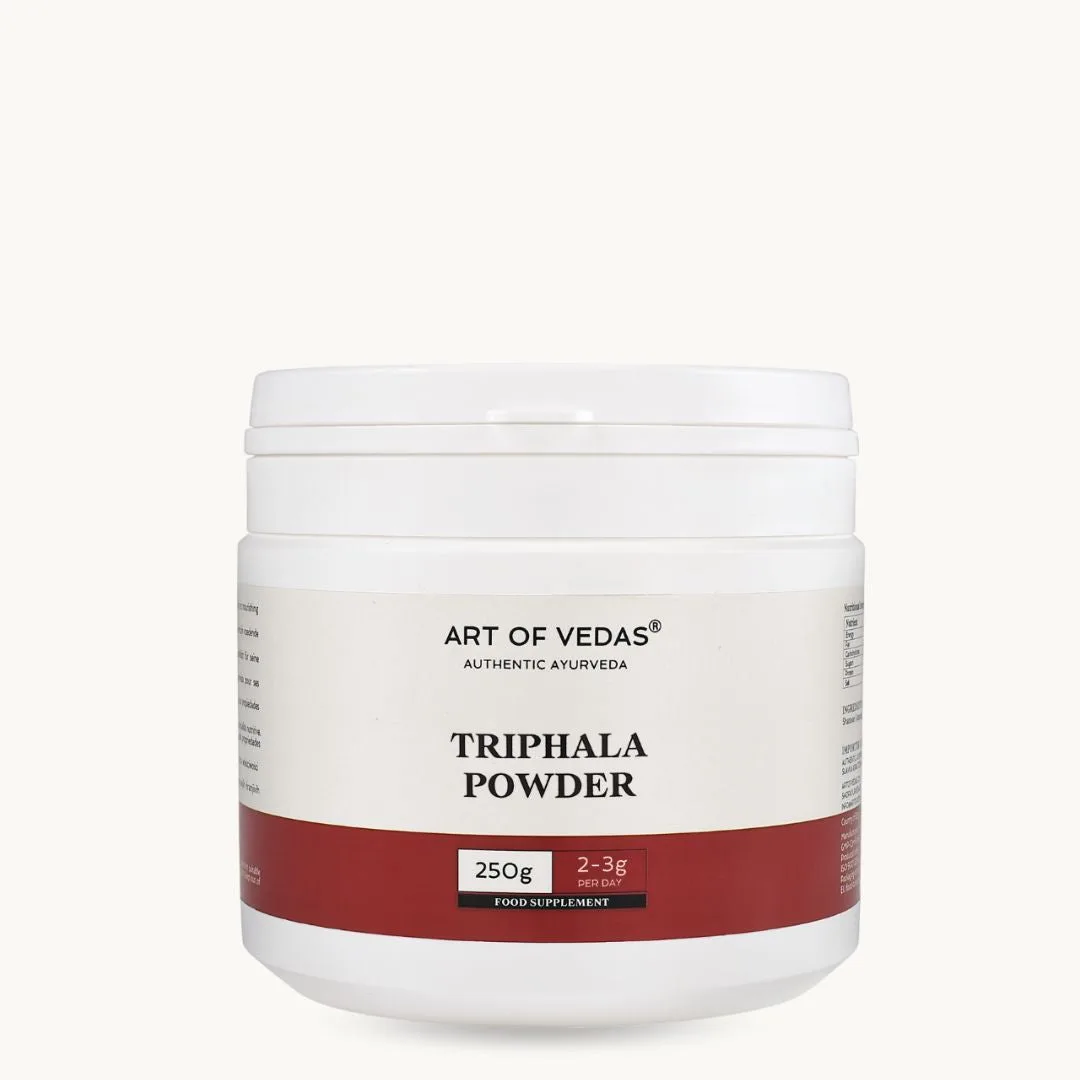
Triphala is the foundational spring herb in classical practice - its three-fruit formula provides broad-spectrum Ama clearance, gently stimulates Agni, and supports regular elimination through the lower channels. The Charaka Samhita describes sustained Triphala use as systematically clearing Ama from all channels over weeks and months. Taking Triphala before sleep during the spring transition is the classical approach. See our complete guide to Triphala.
Trikatu - the three pungents - is the primary Agni-stimulating formula for spring, when Manda Agni (sluggish digestive fire suppressed by excess Kapha) needs active support. Dry ginger, black pepper, and long pepper together create a warming, stimulating action that directly counters the cold and heavy qualities of accumulated Kapha and clears the Ama that weak Agni produced over winter. See our guide to digestion and Agni.
Guggulu's Lekhana (scraping) action in the channels is specifically relevant to spring, when mobilised Kapha and Ama need to be actively cleared from the tissues and channels rather than simply eliminated through the digestive system. The classical texts reference Guggulu preparations in the spring context for those with significant Kapha accumulation. See our guide to Guggulu.
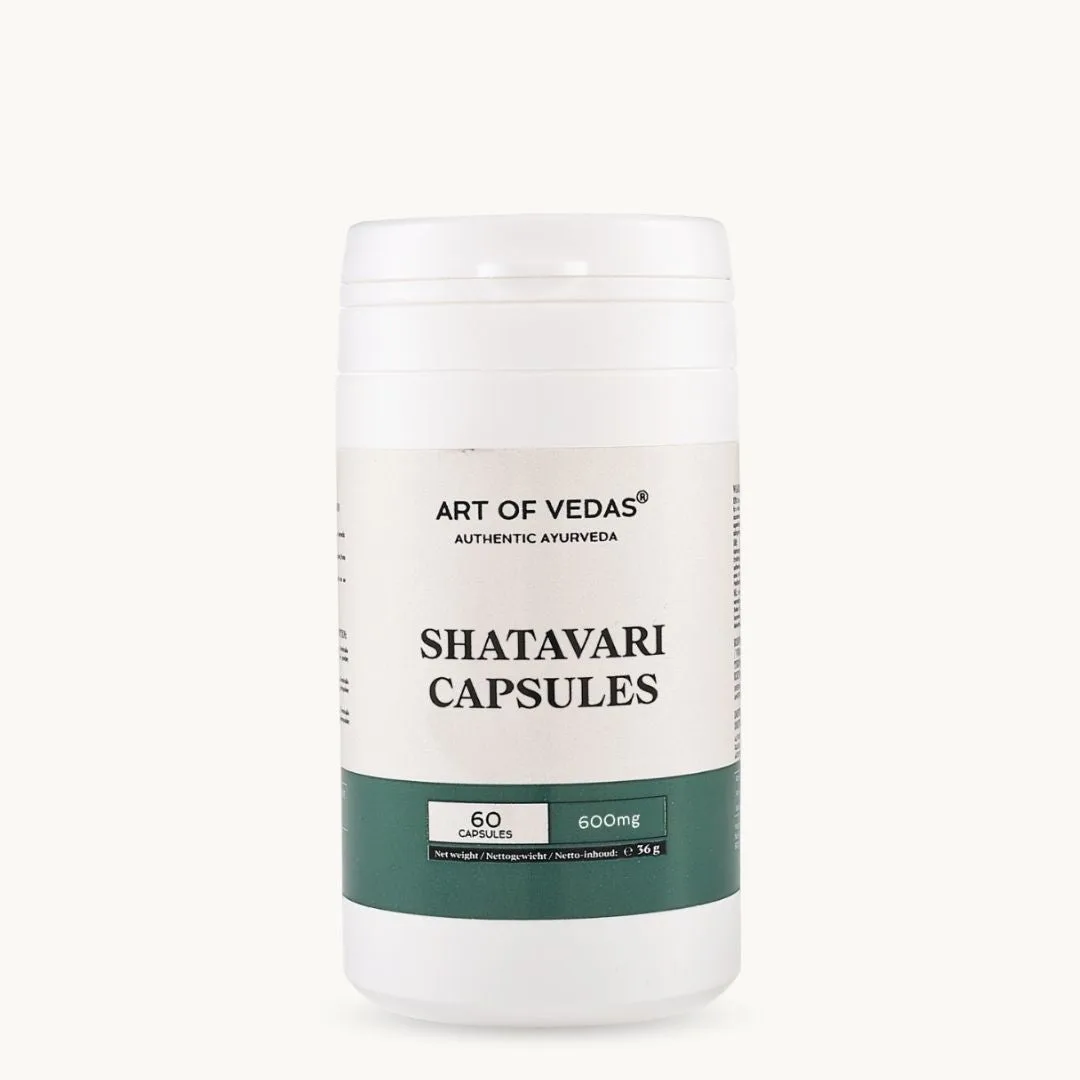
Brahmi and Shatavari serve as spring Rasayana support - particularly relevant after the depletion of winter, when the clearing process needs to be balanced with nourishment to prevent the spring cleanse from depleting the deeper tissues alongside the excess Kapha. Classical spring protocols described in the Sahasrayogam often combine clearing herbs with Rasayana herbs for precisely this reason. See our guides to Brahmi and Shatavari.
Browse the Art of Vedas supplements collection for spring-appropriate Ayurvedic preparations including Triphala, Trikatu, and Guggulu.
How Long Does a Classical Spring Cleanse Last?
The Charaka Samhita's seasonal guidance describes Vasanta Ritu as spanning approximately late February through April in the Northern European climate - though the exact timing shifts with the local climate and the individual's constitution. The classical spring protocol is not a short intensive cleanse of three or seven days; it is a sustained seasonal adjustment lasting the full duration of the Kapha-mobilisation phase, typically four to six weeks.
This contrasts sharply with the modern "five-day detox" approach and reflects the classical understanding that meaningful tissue-level clearance requires sustained consistent practice over the full seasonal cycle. The first week of a classical spring protocol produces the initial mobilisation; subsequent weeks allow gradual clearance through the elimination channels; the final phase consolidates the cleared state and prepares the body for the Pitta-predominant summer season.
The transition out of the spring protocol is also described in classical texts: as spring moves toward summer, the diet gradually reintroduces more cooling and nourishing foods (sweet fruits, more ghee, less pungent spice) to prepare the body for summer's heat without the Kapha of winter.
Frequently Asked Questions
Why does Ayurveda recommend cleansing in spring?
The Charaka Samhita's Ritucharya describes winter as the season of Kapha accumulation and spring as when this accumulated Kapha begins to liquefy and mobilise naturally as temperatures rise. The classical spring cleanse works with this natural mobilisation - the Kapha is already moving, already ready for elimination. Spring purification works with the body's seasonal rhythm in a way that mid-winter detoxing does not.
What are the signs of Kapha accumulation after winter?
The Charaka Samhita's spring chapter describes: persistent physical heaviness; dullness of the sense organs; difficulty waking and extended morning fog; sluggish digestion with reduced morning appetite; increased mucus through the respiratory passages; and reduced energy and motivation. These are the expected seasonal consequence of healthy winter Kapha accumulation - indicators that the annual spring clearance is appropriate.
What herbs does Ayurveda recommend for spring detox?
Three main priorities: Triphala as the foundational preparation for Ama clearance and elimination support, taken before sleep throughout the transition. Trikatu for Agni stimulation, directly addressing the Manda Agni suppressed by winter Kapha. Guggulu for Lekhana (scraping) action, clearing mobilised Kapha from the channels. Classical protocols balance these with Rasayana herbs - Brahmi and Shatavari - to prevent depletion of deeper tissues alongside excess Kapha.
How long should an Ayurvedic spring cleanse last?
Four to six weeks - the full duration of Vasanta Ritu in the Charaka Samhita's seasonal framework. Not a brief intensive purge but a sustained seasonal adjustment: first phase mobilises, subsequent weeks allow gradual clearance, final phase consolidates before summer. Meaningful tissue-level clearance requires consistent practice over the full seasonal cycle.
Explore Spring Ayurveda at Art of Vedas
Browse our supplements collection for Triphala, Trikatu, and Guggulu. Related reading: Triphala complete guide, digestion and Agni, Kapha imbalance guide, and Ayurveda for weight and metabolism.
This product is a food supplement and not intended to diagnose, treat, cure or prevent any disease.