Srotas: The Body Channel System in Classical Ayurveda
Srotas - the channel systems of the body - are one of the most important and least understood concepts in Ayurvedic medicine. While the Doshas describe the forces that govern physiology and the Dhatus describe the tissues that constitute the body, the Srotas describe the pathways through which everything moves: nutrients, waste, information, breath, and the Doshas themselves.
In Ayurvedic pathology, most disease begins with Srotas dysfunction - channels that become blocked, excessive, misdirected, or structurally compromised. Understanding Srotas is therefore not an academic exercise but the foundation for understanding how illness develops and how Ayurvedic therapies work to restore health.
What Are Srotas?
The Charaka Samhita defines Srotas as the channels "through which the essential substances of the body are transported" - a definition broad enough to encompass everything from the gross physical channels (blood vessels, the digestive tract, the urinary tract) to the subtler pathways that carry nutrients to individual cells and waste products away from them.
Each Srotas has three components: a Mula (root or origin), a Marga (pathway), and a Mukha (opening or end point). Disease in a channel system can originate at any of these three points - and treatment strategies differ depending on whether the problem is at the root, along the pathway, or at the opening.
The Thirteen Major Srotas
Three Channels of Intake
Pranavaha Srotas (respiratory channels): Rooted in the heart and digestive tract, these carry Prana (breath, vital energy) throughout the body. Dysfunction manifests as breathing difficulties, irregular respiration, and reduced vitality. Pranayama (breathing practices) directly supports this channel system.
Annavaha Srotas (digestive channels): Rooted in the stomach and left side of the body. The channel system of food intake and initial digestion. Dysfunction manifests as loss of appetite, indigestion, and nausea. Agni management is the primary therapeutic approach.
Udakavaha Srotas (water-carrying channels): Rooted in the palate and pancreas. Governs fluid balance throughout the body. Dysfunction manifests as excessive thirst, dryness, or fluid retention.
Seven Channels of Tissue Nourishment
Each of the seven Dhatus has its own Srotas that carries raw nutrients to the tissue and removes metabolic waste:
Rasavaha Srotas (plasma/lymph channels): Carries the first tissue product - Rasa Dhatu - throughout the body. Rooted in the heart and blood vessels. Dysfunction appears as poor circulation, pallor, fatigue, and skin dryness.
Raktavaha Srotas (blood channels): Rooted in the liver and spleen. Carries Rakta Dhatu (blood). Dysfunction manifests as skin conditions, inflammatory presentations, and bleeding disorders.
Mamsavaha Srotas (muscle channels): Rooted in the ligaments and skin. Carries nutrients to Mamsa Dhatu (muscle tissue). Dysfunction appears as muscle weakness, growths, and heaviness.
Medavaha Srotas (fat channels): Rooted in the kidneys and omentum. Carries nutrients to Meda Dhatu (adipose tissue). Dysfunction manifests as excessive weight gain or loss, fatigue, and metabolic imbalance.
Asthivaha Srotas (bone channels): Rooted in the hip bones and adipose tissue. Carries nutrients to Asthi Dhatu (bone). Dysfunction appears as joint pain, dental problems, and bone fragility.
Majjavaha Srotas (marrow/nerve channels): Rooted in the bones and joints. Carries nutrients to Majja Dhatu (marrow and nerve tissue). Dysfunction manifests as joint pain with hollow sensation, dizziness, and neurological symptoms.
Shukravaha Srotas (reproductive channels): Rooted in the reproductive organs. Carries nutrients to Shukra Dhatu (reproductive tissue). Dysfunction manifests as reproductive issues and low vitality.
Three Channels of Elimination
Purishavaha Srotas (faecal channels): Rooted in the colon and rectum. Governs solid waste elimination. Dysfunction appears as constipation, diarrhoea, and irregular bowel patterns - often the first sign of Vata aggravation.
Mutravaha Srotas (urinary channels): Rooted in the kidneys and bladder. Governs liquid waste elimination. Dysfunction manifests as urinary difficulties, excessive or reduced urination.
Swedavaha Srotas (sweat channels): Rooted in the adipose tissue and hair follicles. Governs perspiration and temperature regulation. Dysfunction appears as excessive or absent sweating and skin conditions.
How Channels Become Diseased
The Charaka Samhita identifies four types of channel dysfunction:
Atipravritti (excessive flow): The channel carries too much substance - such as excessive bleeding, diarrhoea, or sweating. Typically associated with Pitta aggravation.
Sanga (obstruction): The channel becomes blocked - the most common form of Srotas dysfunction. Blocked channels prevent nutrients from reaching tissues and waste from being eliminated. Typically associated with Kapha accumulation and Ama (metabolic toxins).
Vimarga Gamana (misdirected flow): Substances flow into wrong channels - such as when Pitta (heat) enters Rakta (blood) channels and manifests as skin inflammation. This explains why Ayurvedic conditions often appear in tissues seemingly unrelated to their origin.
Siragranthi (structural change): The channel itself becomes altered - thickened, dilated, or structurally compromised. Represents advanced, chronic disease where the channel pathology has become self-sustaining.
Therapies That Support Channel Health
Panchakarma: The classical five-action purification programme is fundamentally a Srotas-clearing therapy. Each Panchakarma procedure targets specific channel systems - Vamana clears upper digestive channels, Virechana clears lower channels, Basti directly addresses the colon channels.
Abhyanga (oil massage): Warm oil massage supports the peripheral Srotas - the channels in skin, muscle, and joints - by promoting circulation, loosening accumulated waste, and directing it toward the main elimination channels.
Dietary management: Specific foods and spices support specific channel systems. Agni-supporting spices keep the Annavaha Srotas clear; bitter and astringent herbs support Raktavaha Srotas; warming oils support Asthivaha and Majjavaha Srotas.
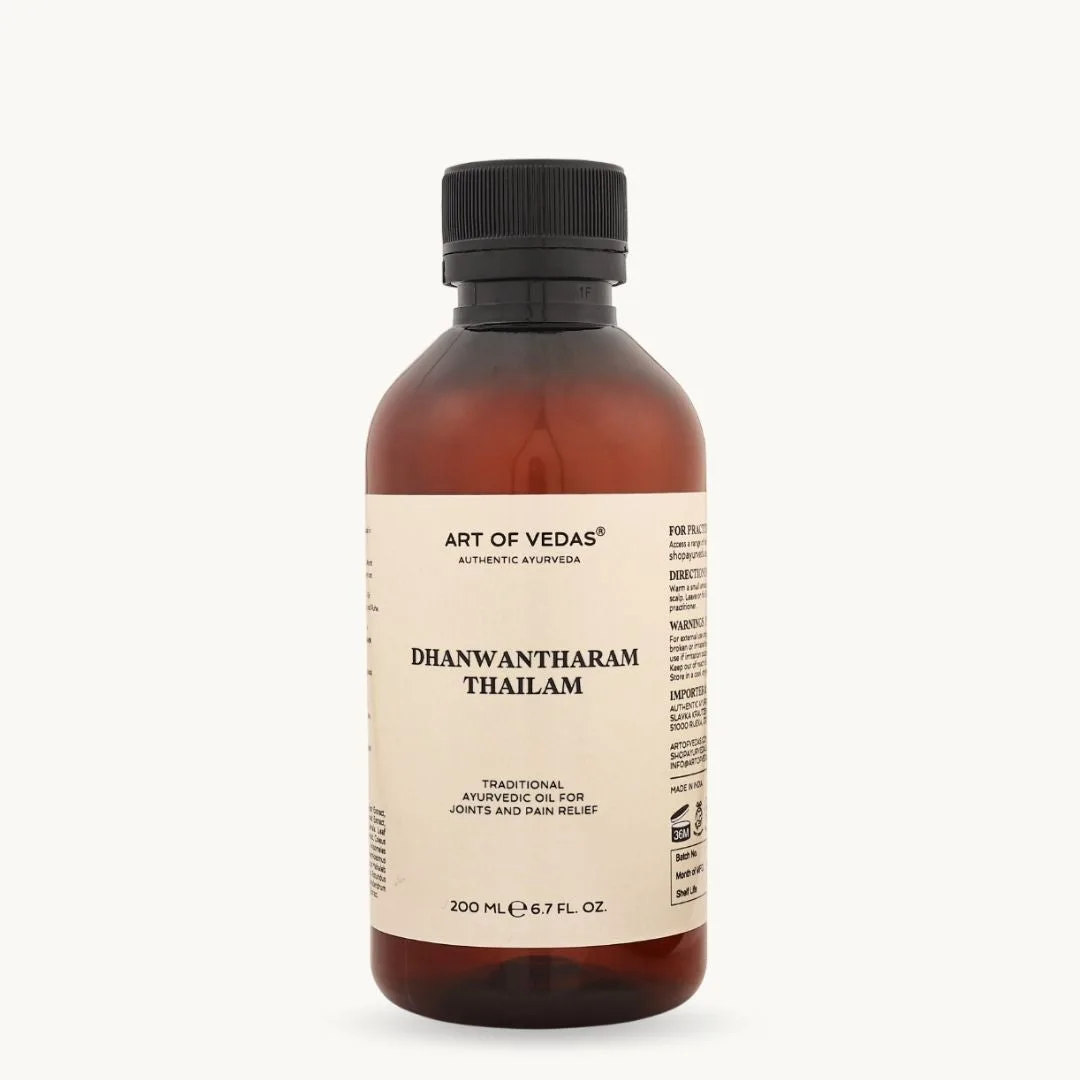
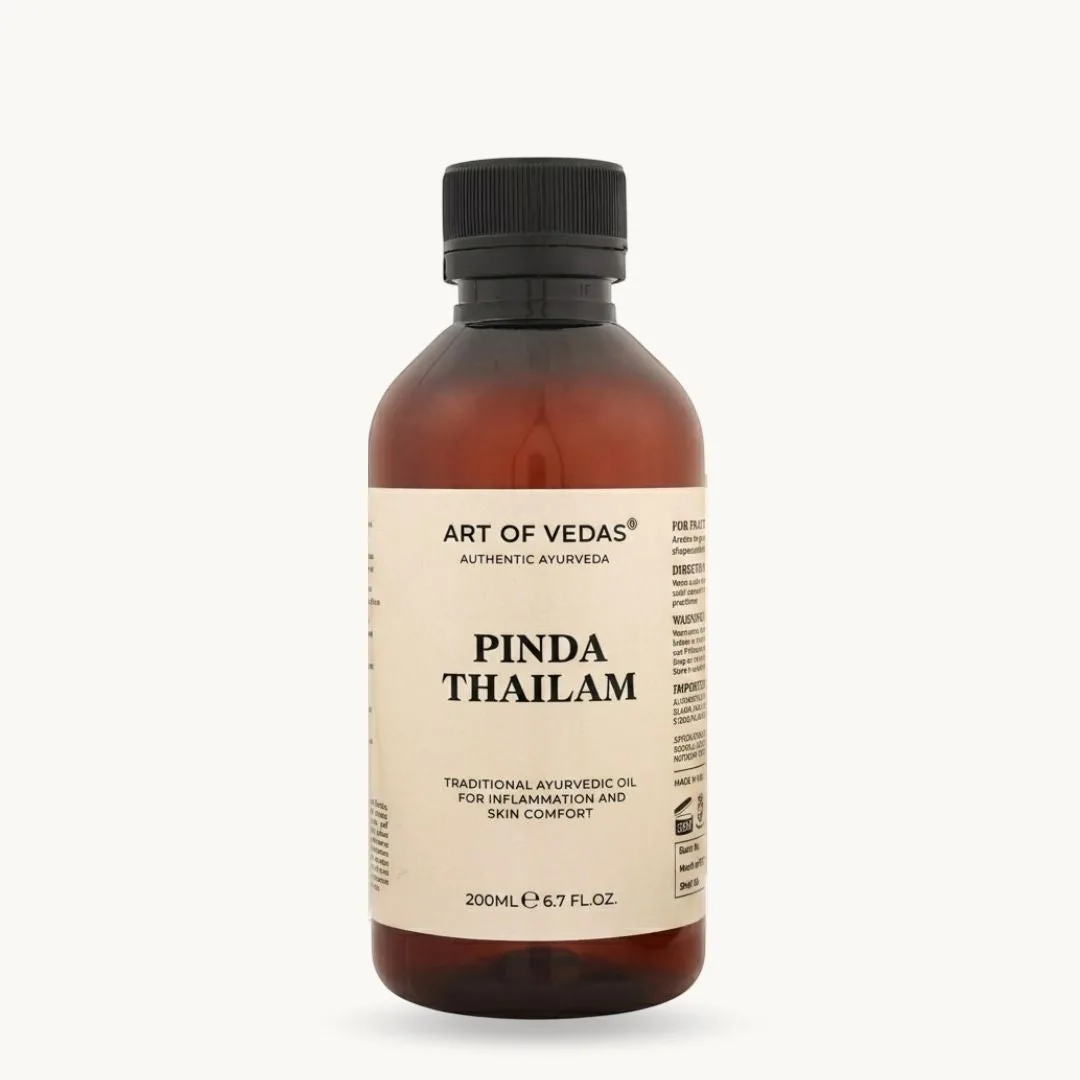
Medicated oils: Thailams applied externally penetrate through the Swedavaha Srotas (sweat channels) and work their way to deeper channel systems - which is why Ayurvedic external oil therapy has systemic effects beyond simple skin lubrication.
Why Srotas Matter for Daily Wellness
The Srotas framework explains why Ayurveda places such emphasis on regular routines - Dinacharya (daily routine) and seasonal practices are fundamentally Srotas-maintenance strategies. Daily Abhyanga keeps peripheral channels open. Regular meals at consistent times keep digestive channels rhythmic. Adequate sleep allows channels to clear accumulated waste. Seasonal cleansing prevents the buildup that leads to chronic channel obstruction.
When these basic maintenance practices lapse, channels gradually accumulate obstruction - and the resulting dysfunction may manifest as fatigue, digestive discomfort, skin changes, or reduced vitality long before a diagnosable condition develops. In this sense, Srotas health is the foundation of preventive wellness in Ayurveda.
For personalised assessment of your channel health and appropriate therapeutic recommendations, an Ayurvedic consultation provides the clinical framework that self-assessment cannot match.
Classical Ayurvedic knowledge for educational purposes. This information does not constitute medical advice and is not a substitute for professional consultation.