Udvartana: Classical Ayurvedic Dry Powder Massage Guide
Where Abhyanga - the classical warm oil massage - is the quintessential Ayurvedic therapy for nourishing, warming, and stabilising the system, Udvartana is its counterpart and complement: a vigorous dry powder massage that is specifically clearing, lightening, and Kapha-reducing in its classical action. The two therapies represent opposite ends of the classical Snehana-Rukshana (oleation-drying) spectrum, and understanding when each is appropriate - and how they can be combined in a broader practice - is central to the classical Ayurvedic approach to body care.
Udvartana in the Classical Texts
The Ashtanga Hridayam Sutrasthana describes Udvartana in the chapter on Dinacharya (daily routines) and Dinacharyadi (seasonal practices), listing it among the procedures specifically indicated for Kapha-dominant conditions and seasons. The name itself derives from "Udvartana" - upward movement - referring to the classical technique of applying the powder with vigorous upward and friction strokes against the natural direction of body hair, which is the defining technique that distinguishes Udvartana from ordinary exfoliation.
The Ashtanga Hridayam describes Udvartana's classical benefits as:
- Kapha-hara (Kapha reducing and clearing)
- Meda-hara (addressing excess Meda Dhatu - the fat/adipose tissue layer)
- Tvak prasadam (clarifying and brightening the skin)
- Sthiratva (stability and firmness of the body)
- Indriya prasadam (clarity of the sense organs)
The Classical Technique: Upward Strokes
The defining technical characteristic of authentic Udvartana is the direction of the strokes: against the direction of body hair growth, moving upward (Pratiloma) rather than the downward, hair-direction strokes used in Abhyanga. This upward, friction-generating technique is what produces Udvartana's specific Kapha-clearing, circulation-stimulating effect in the classical understanding:
- The friction and upward movement stimulate Agni (metabolic fire) in the surface tissues - specifically Bhrajaka Pitta in the skin
- The drying quality of the powder combines with the mechanical stimulation to actively clear Kapha and Ama from the skin channels (Twak Srotas) and the underlying Meda Dhatu
- The counter-hair direction creates stronger mechanical stimulation of the lymphatic vessels and superficial circulation - directly supporting the movement of Rasa Dhatu (lymph/plasma) through the superficial channels
Classical Udvartana Powders
The classical texts describe several powder preparations appropriate for Udvartana, each suited to different constitutions and therapeutic intentions:
-
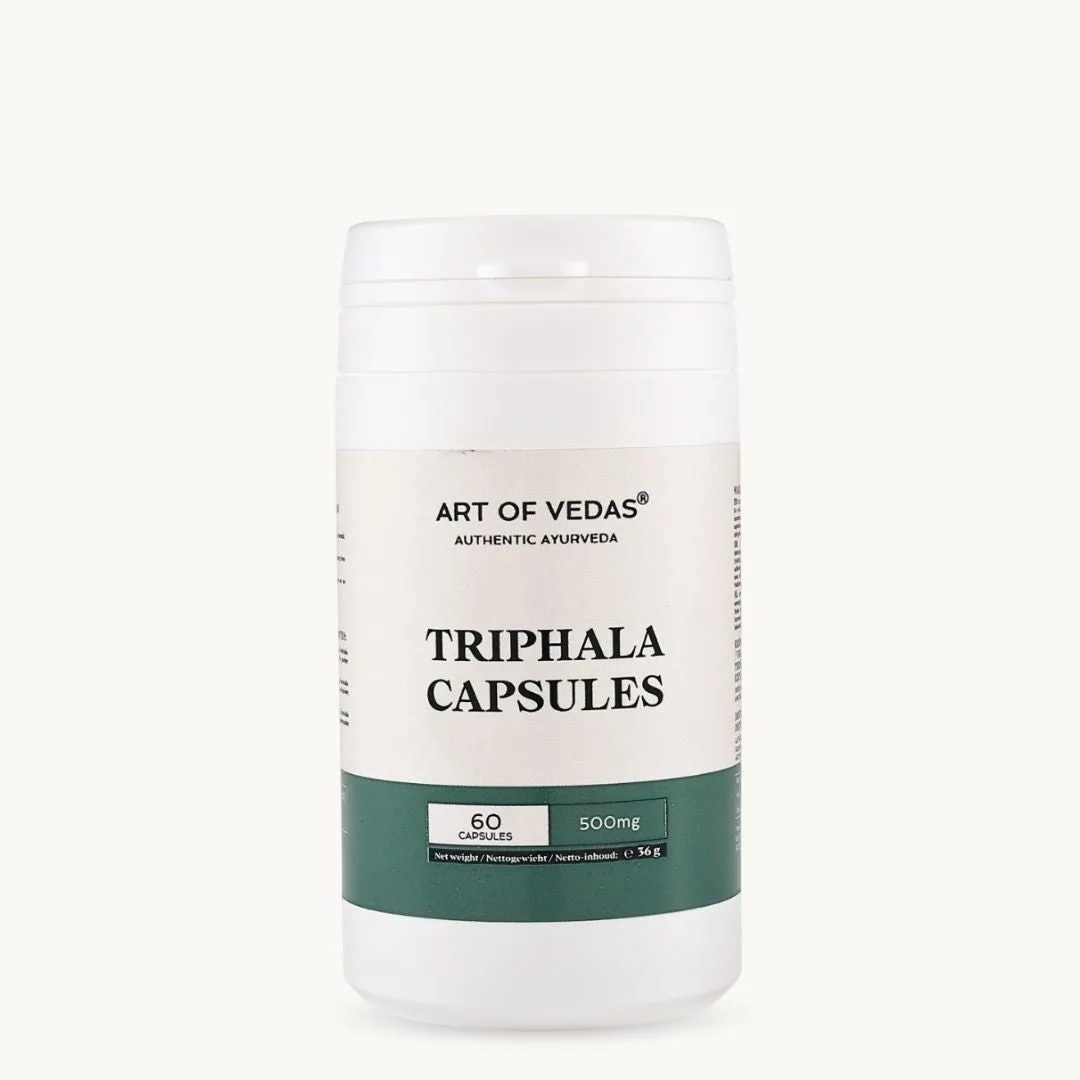
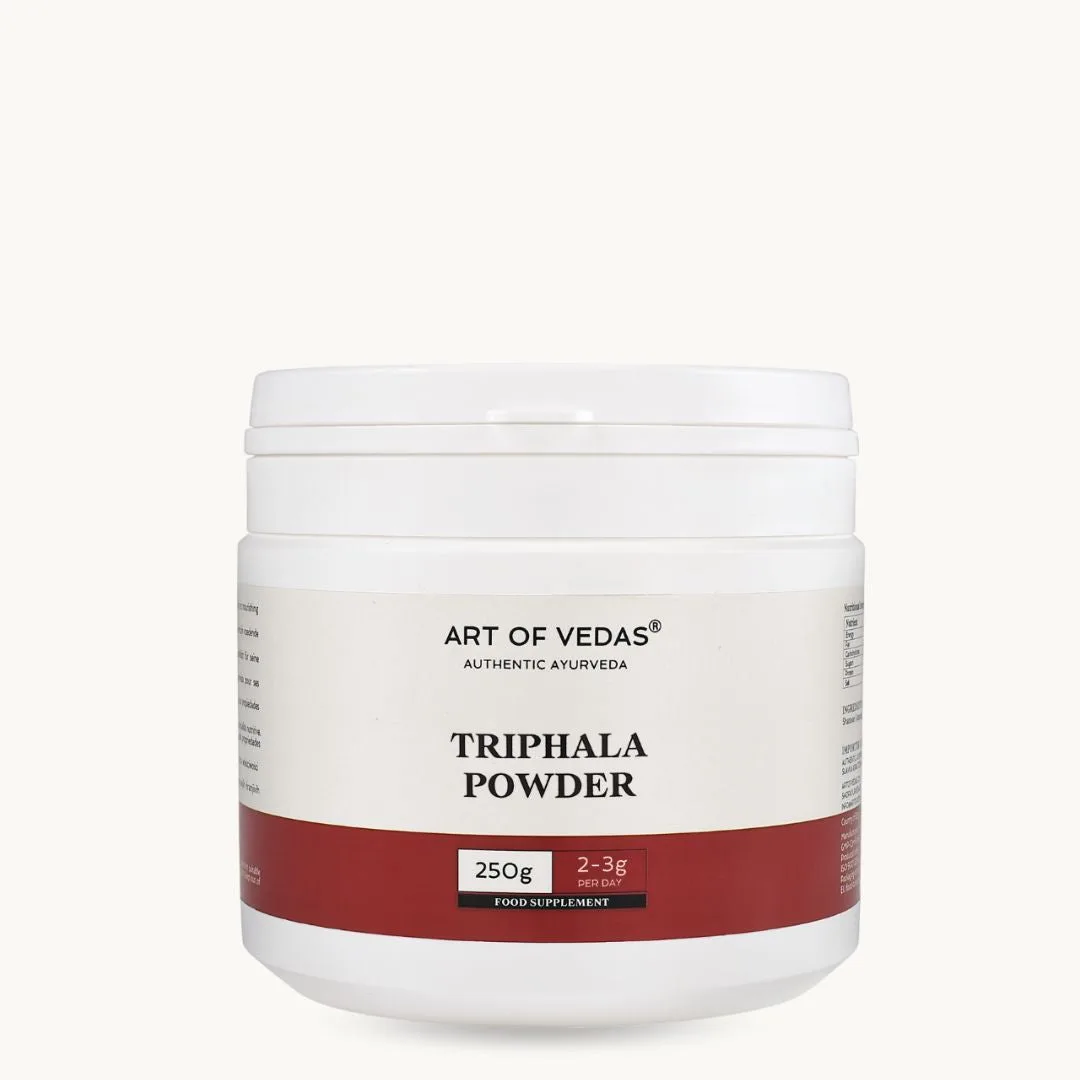
Triphala churna: The most broadly applicable classical Udvartana powder - its Tridosha-balancing quality and Lekhaniya (channel-scraping) action make it appropriate across constitutions and seasons
-
Haridra (Turmeric) and Chandan (Sandalwood) mixed base: Classical combination for Pitta-Kapha skin - the Krimighna and Tvachya properties of Haridra combined with the cooling, Varnya action of Chandana
-
Kolkulathadi Churnam: The classical Udvartana preparation described in the Ashtanga Hridayam - Kulattha (horse gram) based, specifically Kapha-Meda reducing, used in Panchakarma for conditions with significant Kapha accumulation
-
Mustard powder: For strong Kapha and cold Vata conditions - the heat-generating quality of Sarshapa (mustard) is the most aggressively warming classical Udvartana option
-
Gram flour (Chickpea) base: The most commonly available and widely used home Udvartana material - Besan (gram flour) with added spices, oils, and herbs constitutes the basis of the traditional Ubtan practice used in daily body care across the Indian tradition
Dry Udvartana vs Snigdha Udvartana
The classical texts distinguish between two forms of Udvartana:
-
Ruksha Udvartana (dry): Powder applied without oil - the most strongly Kapha-Meda reducing, most appropriate for conditions with significant Kapha or Ama accumulation. The drying quality of the powder is fully active without oil modification.
-
Snigdha Udvartana (unctuous): Powder mixed with a small quantity of oil before application - moderates the drying effect, makes the Udvartana more appropriate for Vata-Kapha mixed conditions, and reduces the potential for over-drying in more sensitive constitutions.
In the Panchakarma context, Ruksha Udvartana is typically used for strong Kapha-Meda conditions. In home practice and for general skin care, Snigdha Udvartana (the Ubtan approach) is more broadly appropriate and less likely to over-dry the skin.
Udvartana in the Seasonal Routine
Classical Ritucharya (seasonal practice) places Udvartana as particularly relevant in two seasons:
-
Vasanta (spring): The season of peak Kapha accumulation - Kapha that has built over the winter liquefies in spring warmth and tends to accumulate in the channels. Udvartana is the classical spring body treatment par excellence - clearing the Kapha and Ama, stimulating Agni, and preparing the body for the more active summer season.
-
Hemanta and Shishira (winter): Udvartana combined with Abhyanga - using Udvartana before or after the oil massage - addresses the Kapha tendency that builds in the colder months while the oil component ensures adequate tissue nourishment in the drying cold season.
Home Udvartana Practice
A simple home Udvartana practice using classical principles:
- Prepare your powder base - Triphala churna, besan (gram flour), or an Ayurvedic Churnam blend
- For Snigdha Udvartana, mix a small quantity of oil (sesame, coconut, or almond depending on constitution) with the powder to create a dry paste consistency
- Begin at the feet and work upward - legs, thighs, arms, torso. Apply with firm, upward strokes against the hair direction
- Use circular strokes at joints - knees, hips, elbows
- Continue for five to ten minutes over the entire body
- Leave for one to two minutes before bathing with warm water
- A brief warm shower removes the powder and stimulates the skin further - ending with a cool or room-temperature rinse
Udvartana can replace Abhyanga on days when lightness and clarity are the desired quality, or used alternately - Abhyanga in the morning several days per week, Udvartana on other days - as part of a balanced body care practice.
Frequently Asked Questions
What is Udvartana?
Udvartana is the classical Ayurvedic dry powder massage - a vigorous exfoliation therapy using herbal powder applied with upward, counter-hair strokes. Described in the Ashtanga Hridayam as Kapha-hara and Meda-hara, it is the complementary counterpart to Abhyanga oil massage, used specifically to clear Kapha, stimulate Agni in the surface tissues, and support the health and clarity of the skin and Meda Dhatu.
What is the difference between Udvartana and Abhyanga?
Abhyanga uses warm oil and downward, hair-direction strokes - its primary action is nourishing, warming, and Vata-Kapha-stabilising. Udvartana uses dry or lightly oiled powder with upward, counter-hair strokes - its primary action is clearing, drying, and Kapha-Meda-reducing. Abhyanga builds and nourishes; Udvartana clears and lightens. They represent the Snehana (oleation) and Rukshana (drying) poles of classical body therapy.
Which powder is best for Udvartana at home?
For a broadly applicable home Udvartana, Triphala churna or a besan (gram flour) base with a small quantity of sesame or coconut oil (Snigdha Udvartana) is the most practical starting point. Classical Churnam preparations like Kolkulathadi Churnam are available for a more specifically classical approach. The appropriate powder depends on constitution and seasonal context.
Can Udvartana be done daily?
Classical texts describe Udvartana as appropriate for daily practice in Kapha and Meda conditions. For Vata constitutions or in drying seasons, daily Ruksha (dry) Udvartana may over-dry the skin - alternating with Abhyanga or using Snigdha Udvartana is more appropriate. Two to three times per week is a generally appropriate frequency for most constitutions in temperate climates.
Related Practices at Art of Vedas
For the complement to Udvartana, see our complete Abhyanga guide. For the skin care context, see our Ayurvedic oils for skin guide. For the daily routine framework, see our Dinacharya guide. Browse our Ayurvedic Thailam collection for Abhyanga oils.
This article is for informational and educational purposes only. Udvartana is a traditional Ayurvedic self-care practice. The information provided does not constitute medical advice and is not a substitute for professional Ayurvedic or medical guidance.