Ayurvedic Fasting: Classical Approaches to Periodic Cleansing
Fasting - or more precisely, the deliberate lightening of diet and digestive load - has a well-established place in classical Ayurvedic medicine. The Sanskrit term most often used in classical texts is Upavasa (from Upa - near, and Vasa - to dwell), which in its original meaning referred not simply to abstaining from food but to dwelling in a state of greater inner stillness. Alongside Upavasa, classical texts also describe Laghu Bhojana (eating lightly), Langhana (therapeutic lightening), and specific cleansing protocols (Shodhana) that involve dietary restriction as a preparatory stage.
This guide explains the classical Ayurvedic understanding of fasting, the different forms it takes, which constitution types benefit most from periodic fasting, and how to approach a simple Ayurvedic dietary lightening practice at home.
Why Ayurveda views periodic fasting as beneficial
The central concept behind Ayurvedic fasting is the relationship between food, digestion (Agni), and Ama - the classical Ayurvedic term for the residue of incompletely digested food or experience. When Agni (digestive fire) is strong, food is fully transformed and absorbed. When Agni is weakened - through overeating, eating the wrong foods, irregular mealtimes, stress, or insufficient sleep - food is only partially processed. The classical texts describe the accumulation of Ama as one of the primary origins of imbalance and poor health over time.
Periodic fasting or dietary lightening gives Agni a rest - allowing the digestive system to complete its work, clear accumulated Ama, and rebuild strength before the next heavy dietary load. The Charaka Samhita describes Langhana (lightening therapies, including fasting) as one of the primary therapeutic approaches for conditions of excess, heaviness, or Ama accumulation.
Classical forms of Ayurvedic fasting
Upavasa - complete fasting
Complete abstention from food for a defined period. Classical texts describe this as appropriate for robust constitutions - particularly those with strong Agni and Kapha or Pitta-Kapha constitutions - and for short durations (typically one day at a time). The Ashtanga Hridayam recommends Upavasa as part of Ritucharya (seasonal routine), particularly at the transitions between seasons.
Pure Vata types and those with weak digestion, low body weight, or depleted vitality are generally described as unsuitable for extended complete fasting in classical Ayurveda. For Vata types, the guidelines below on mono-diet and light eating are more appropriate.
Laghu Bhojana - eating lightly
The most practical and widely applicable form of Ayurvedic fasting for everyday life. Rather than abstaining from food entirely, Laghu Bhojana involves significantly reducing quantity, eating simpler and more easily digestible foods, and eliminating heavy or processed items. Classical texts describe this as appropriate for all constitutions and particularly recommended during seasonal transitions, periods of low appetite, after illness, or whenever a sense of heaviness or lethargy signals Ama accumulation.
Kitchari Mono-diet
Kitchari - a simple preparation of split mung beans (Moong Dal) and rice, typically cooked with warming spices including ginger, cumin, and coriander - is the classical Ayurvedic fasting food. It is considered Tridoshic (suitable for all constitutions), easy to digest, and complete enough in nutrition for extended periods of use. A Kitchari mono-diet - eating only Kitchari for one to three days - is one of the most commonly recommended Ayurvedic home cleansing practices. It is considered safe across all Dosha types and provides the digestive rest of a partial fast while maintaining nourishment.
Ekadashi - lunar cycle fasting
Classical Ayurvedic texts - in alignment with the broader Vedic tradition - describe the relationship between the lunar cycle and digestive capacity. Ekadashi refers to the eleventh day of each lunar fortnight (both the waxing and waning moon), which classical texts associate with naturally reduced digestive strength. Fasting or eating very lightly on Ekadashi days is described in Ayurvedic texts as a natural rhythm-based practice rather than an arbitrary discipline.
Fasting guidelines by Dosha type
Kapha types - most suited to fasting
The Kapha constitution is the most naturally suited to periodic fasting in classical Ayurveda. Kapha's qualities (heavy, cool, slow, moist) are directly counteracted by the lightening effect of fasting. Classical texts describe Langhana as a primary Kapha-management strategy. Kapha types can typically tolerate complete Upavasa for one day, or a Kitchari mono-diet for two to three days, more comfortably than other constitutions. Spring (the Kapha season) is the classical time for an annual Kapha-clearing fast or cleanse.
Pitta types - moderate fasting
The Pitta constitution has strong digestive fire and genuine hunger - extended fasting can increase Pitta through excess heat and acidity. For Pitta types, Laghu Bhojana and the Kitchari mono-diet are more appropriate than complete Upavasa. Pitta types should not attempt fasting when already experiencing digestive acidity or irritability. The transition from summer to autumn is a natural Pitta-clearing time and a suitable occasion for a lighter diet protocol.
Vata types - caution with fasting
The Vata constitution is the most sensitive to fasting. Vata's qualities (light, dry, irregular) are aggravated by further reduction of food and nourishment. Classical texts are clear that complete fasting (Upavasa) is contraindicated for Vata types and for those with Vata imbalance. The Kitchari mono-diet is generally safe for Vata if warm, well-spiced, and adequately nourishing. Vata types should always prioritise regularity of mealtimes over reduction of quantity.
Preparing for an Ayurvedic home cleanse
A simple three-day home cleanse based on classical principles can be structured as follows:
- Day 1 - Reduce: Remove processed food, alcohol, caffeine, and heavy foods. Eat simply: warm soups, cooked vegetables, light grains.
- Day 2 - Mono-diet: Eat only freshly prepared Kitchari, three times per day. Drink warm water or ginger tea. Rest as much as possible.
- Day 3 - Transition: Return gradually to a light but varied diet. Begin with warm, easily digestible foods before reintroducing heavier items.
Throughout, avoid cold food and drink - classical Ayurveda consistently recommends warm water as the primary beverage during cleansing periods, as cold water is described as suppressing Agni.
Classical Ayurvedic supplements during fasting
Classical texts describe specific herb preparations as supportive during Ayurvedic fasting or cleansing periods:
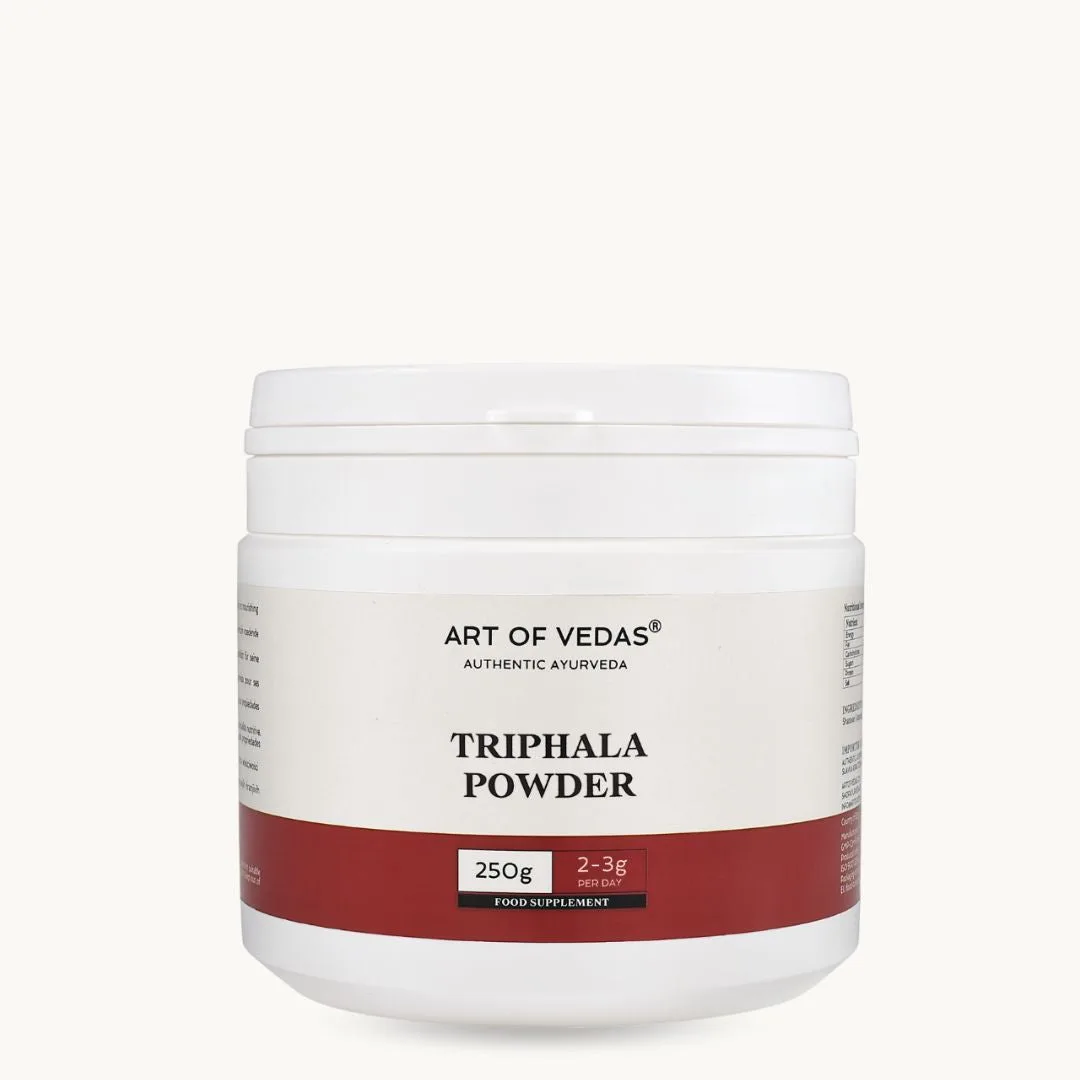
- Triphala Churnam - described in classical texts as supporting the body's natural elimination and cleansing processes. Taking Triphala in warm water in the evening during a cleansing period is a classical practice. See our complete Triphala guide for dosage details.
- Medicated Ghee (Ghritham) - classical Ayurvedic Shodhana (deep cleansing) protocols often include a preparatory stage of consuming increasing doses of medicated ghee before the main cleanse. This is a more advanced practice best undertaken under practitioner guidance. See our guide to Ghritham.
- Ginger tea - simple preparation of fresh or dried ginger in hot water, described in classical texts as Agni-stimulating (Deepana) and Ama-clearing (Pachana). Suitable during all fasting protocols.
When not to fast
Classical Ayurveda identifies several conditions in which fasting is contraindicated. These include:
- Pregnancy and breastfeeding
- Vata imbalance (anxiety, extreme dryness, very low body weight, depleted vitality)
- Children and the elderly
- Periods of physical exhaustion or recent illness
- Immediately before or during intense physical exertion
For those with specific health conditions or taking medication, consult a qualified practitioner before undertaking any fasting protocol.
For a complete overview of Dosha-specific daily routines and seasonal care, see our guides to the Vata type, Pitta type, and Kapha type.
The information on this page reflects traditional Ayurvedic knowledge and is for general educational purposes. It does not constitute medical advice. Art of Vedas products are food supplements, not medicines. If you have a health condition, are pregnant, or take medication, consult your doctor before changing your diet or starting a fasting protocol.