There is a simple daily practice that appears in the Ashtanga Hridayam, the Charaka Samhita and the Sushruta Samhita - three texts that rarely agree on everything - and that has been recommended by Ayurvedic physicians for over two thousand years without interruption. That practice is drinking water that has been stored overnight in a copper vessel. Not filtered water, not water with supplements added, not water processed through any technology. Just water, and copper, and time.
The reason this practice has survived intact across millennia while so many other historical health recommendations have been revised or abandoned is not sentiment. It is the combination of a coherent classical theoretical framework and continuous practical observation. Art of Vedas supplies the Ayurvedic copper glass as part of its classical tools range specifically because this practice meets the standard it applies to everything it offers: it is documented in the foundational texts, it is still practiced by classical Ayurvedic physicians today, and there is a clear rationale for why it works in both classical and contemporary terms.
What the Classical Texts Say: The Direct References
The Charaka Samhita, Sutrasthana 5, describes the properties of water stored in copper vessels as distinctly different from water stored in other containers. The text describes such water as beneficial for digestion, supportive of the eyes, and conducive to overall health - properties attributed to the interaction between copper and water over time.
The Ashtanga Hridayam, Sutrasthana 5, which is the definitive classical chapter on water - its sources, seasonal variations, storage methods, and therapeutic properties - includes copper among the materials whose vessels improve the quality of stored water. Vagbhata's classification is precise: different vessel materials produce different effects on water quality, and copper is specifically listed for its beneficial interaction with water intended for daily consumption.
The Sushruta Samhita also references copper vessels in the context of water purity, describing copper as a material that purifies water stored within it. This is one of the instances where all three of the major foundational texts converge on the same recommendation - a convergence that carries significant weight in classical Ayurvedic scholarship.
The practice is described in classical texts under the Dinacharya (daily routine) framework - not as an occasional therapeutic intervention but as a component of the daily morning routine that maintains baseline health. This preventive, routine-based orientation is characteristic of the classical approach to health maintenance.
The Classical Mechanism: Why Copper and Water?
Classical Ayurveda explains the action of copper-stored water in terms of the properties (Gunas) of copper as a metal (Loha). Copper in classical pharmacology belongs to a specific category of metals used therapeutically - Tamra in Sanskrit - and is described with the following properties:
Rasa (Taste): Kashaya (astringent) and Tikta (bitter). The astringent taste is associated in classical pharmacology with purifying and binding actions; the bitter taste with cleansing, anti-inflammatory and purifying effects on the channels.
Virya (Potency): Ushna (warming). This is the basis for the classical recommendation that copper-stored water is particularly beneficial in the morning - it carries a mild warming quality that supports the kindling of digestive fire (Agni) before the first meal.
Dosha Effect: Tridoshahara - the classical texts describe Tamra (copper) as balancing for all three Doshas when used in appropriate form and quantity. This makes copper-stored water one of the few classical recommendations that is described as universally appropriate rather than constitution-specific.
The classical explanation for how water stored in copper becomes therapeutically modified is through the process of Anusara - the gradual transfer of the properties of the container into the stored substance. The same principle explains why Ayurvedic oils stored in copper or brass vessels were considered to have enhanced therapeutic properties compared to those stored in clay or glass.
Modern Understanding: What Research Has Found
Contemporary research has confirmed that copper does leach in small, measurable amounts into water stored in copper vessels - and that this leaching occurs in quantities that are within safe daily intake ranges while being sufficient to produce the antimicrobial effects observed in the research. Studies published in the Journal of Health, Population and Nutrition found that water stored in copper vessels for 16 hours at room temperature showed significant reduction in the viability of bacteria including E. coli and Salmonella typhi.
This is significant not because it validates the classical texts through modern methodology - the texts stand on their own documentary basis - but because it illustrates that the classical observation, made thousands of years before microbiology existed, was describing a real phenomenon. The classical vocabulary was different, but the underlying observation about copper's effect on water quality was accurate.
The safe upper limit for daily copper intake set by the European Food Safety Authority is 5mg per day for adults. Studies of copper vessel leaching in normal use conditions - vessels of the type Art of Vedas supplies, used for overnight storage and one or two glasses of water per day - consistently show leaching well below this threshold.
How to Use Your Copper Glass: The Classical Protocol
The classical practice is simpler than most people expect. There is no elaborate ritual required - just consistency and correct technique. Art of Vedas recommends the following method, which is consistent with both the classical textual descriptions and practical contemporary use:
Fill your copper glass with clean drinking water in the evening and leave it on a clean, undisturbed surface overnight. The classical requirement is simply that the water remain in contact with the copper for a minimum of 6 to 8 hours. Room temperature storage is described in the classical texts as preferable to refrigeration, which slows the copper-water interaction.
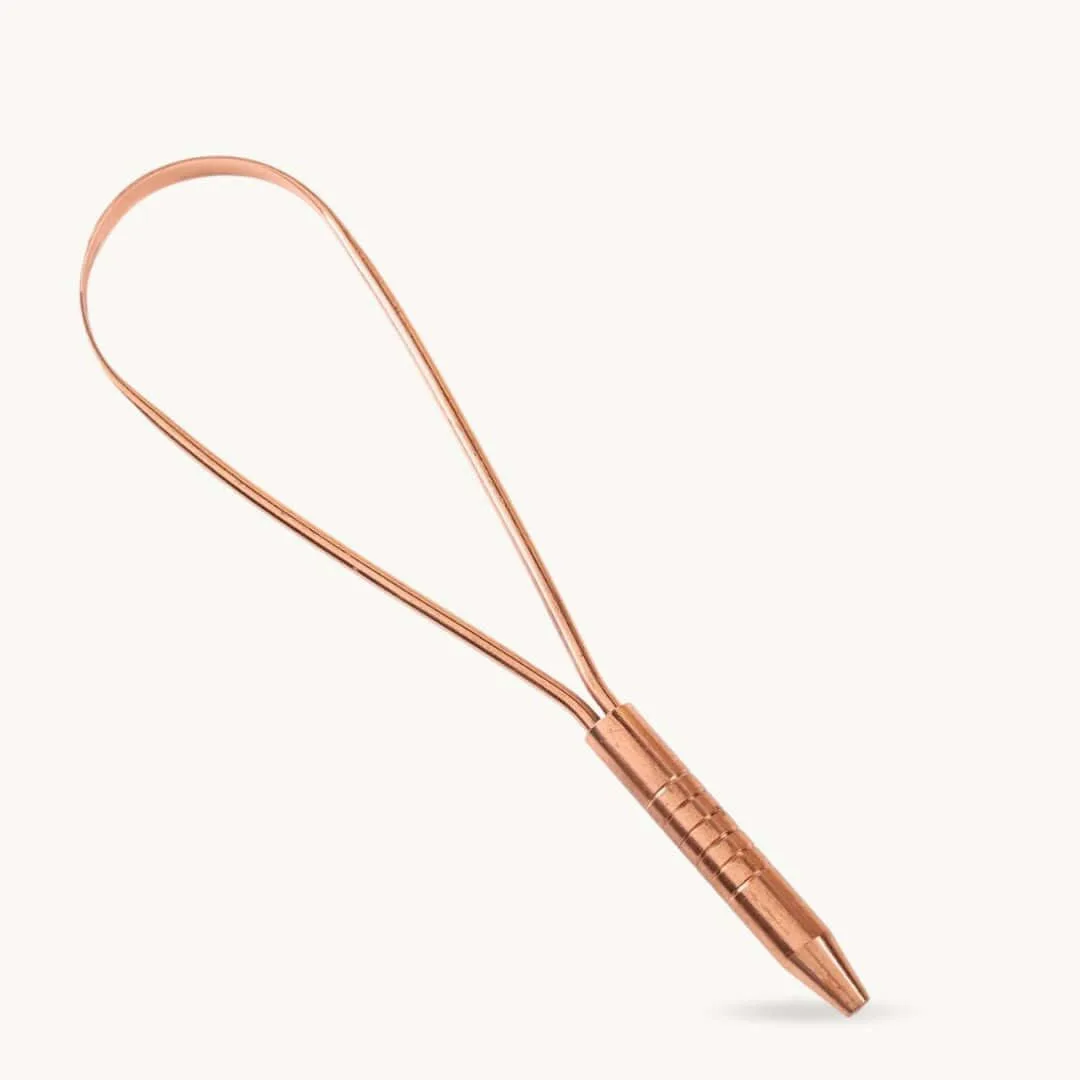
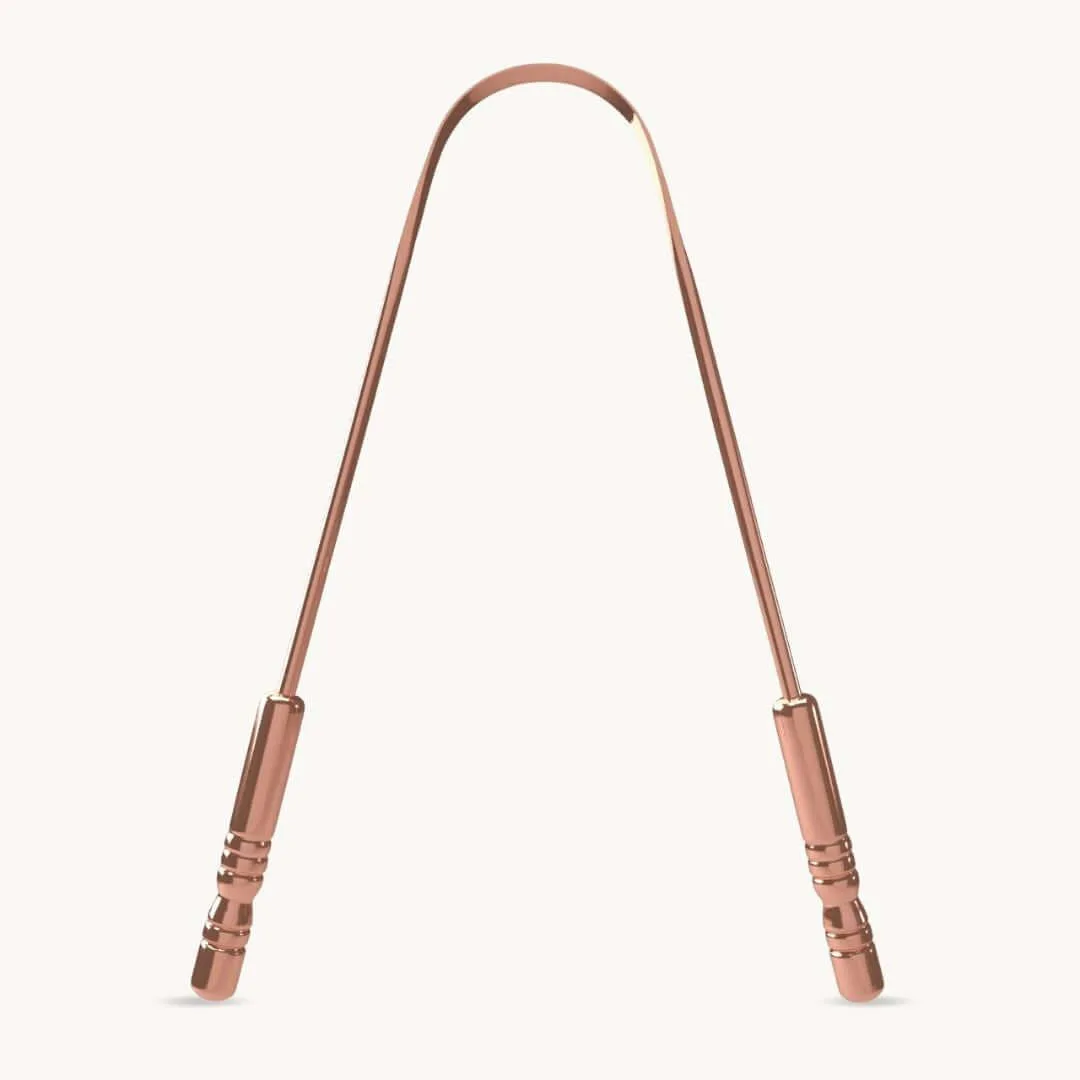
In the morning, drink the water at room temperature before any food, tea or other beverage. The classical Dinacharya sequence from the Ashtanga Hridayam Sutrasthana 2 places water consumption from a copper vessel among the first acts of the morning, following tongue scraping with a copper tongue scraper and before eating. This sequence - tongue cleaning, then copper water, then breakfast - is the classical morning foundation.
Do not store acidic beverages (citrus juices, vinegar-based drinks) in the copper glass. The classical texts describe copper's interaction with water specifically; acidic liquids produce excess copper leaching and are not part of the classical practice.
The Art of Vedas copper glass is made from pure copper without any internal lining or coating - which is essential for the water-copper interaction described in the texts. Lined or coated copper vessels do not produce the same effect. The classical practice requires that water contacts raw copper directly.
Cleaning and Maintaining Your Copper Glass
Copper naturally oxidises over time, developing a patina (known as verdigris) on the inner surface. This is a normal property of copper and does not make the vessel unsafe to use, but regular cleaning maintains the active surface area that interacts with the water.
The classical household method for cleaning copper - still used in Indian homes today - is a mixture of lemon juice and salt, or tamarind paste, applied to the inner and outer surfaces and then rinsed thoroughly with clean water. This removes the oxidation layer without harsh chemicals and does not leave any residue that would affect the water's properties.
Clean the copper glass weekly at minimum, and whenever visible discolouration accumulates on the inner surface. Never clean with abrasive steel or synthetic pads that can scratch the surface. After cleaning, rinse thoroughly before the next use.
Copper Vessel Practice as Part of the Classical Dinacharya
In the classical framework, the copper water practice does not stand alone - it is one element in a structured morning sequence that the Ashtanga Hridayam describes as the foundation of health maintenance. The complete sequence includes:
Waking before sunrise (Brahma muhurta). Tongue scraping with a classical copper tongue scraper to remove accumulated Ama. Drinking water from the copper glass. Oral care including Kavala (oil pulling) with a classical oral oil. Exercise and self-massage (Abhyanga). Bathing.
Each step in this sequence prepares the body and digestive system for the day in a specific way. The copper water step, positioned after tongue scraping and before eating, has the specific classical purpose of hydrating the digestive system and mildly stimulating Agni before the first meal. This is why the classical texts are particular about the timing - drinking copper water at midday or evening does not produce the same classical effect as the morning practice.
Art of Vedas offers both the copper glass and the copper tongue scraper as the two foundational copper tools for daily Dinacharya. The complete Dinacharya framework, including all classical morning practices in sequence, is described in the guide to Dinacharya: The Complete Ayurvedic Daily Routine.
Who Is the Copper Glass Practice For?
The classical texts describe copper water as Tridoshahara - appropriate for all constitutional types. This is unusual in classical Ayurveda, which is highly individualised in most of its recommendations. Copper water is one of the few universally recommended classical practices, alongside tongue scraping and the basic principles of Dinacharya.
That said, classical texts do note that those with significantly elevated Pitta should observe their response when beginning any practice involving a warming substance. If you have a strongly Pitta constitution and find that drinking warm copper water first thing in the morning increases sensations of heat or acidity, reduce the quantity or try drinking it at slightly cooler temperature. This is a practical classical principle of observing individual response rather than a contraindication.
For those new to Ayurveda and looking for the simplest possible starting point for a classical daily practice, the combination of a copper glass and a copper tongue scraper represents the most accessible entry point into authentic Dinacharya without requiring significant lifestyle reorganisation.
If you are also exploring constitution-specific practices, the Art of Vedas Dosha assessment provides a starting point for understanding your Prakriti and which additional classical practices are most relevant for your individual pattern.
Copper in Classical Ayurvedic Pharmacy: The Broader Context
The copper glass practice sits within a much broader classical tradition of therapeutic copper use in Ayurveda. Copper as a metal (Tamra) has an entire pharmacological chapter in the Ashtanga Hridayam's classical Ayurvedic (mineral medicine) section. Purified copper preparations () are used as classical internal medicines for specific conditions under physician supervision - a very different context from daily water storage but part of the same classical understanding of copper's therapeutic properties.
This broader pharmacological tradition explains why the classical texts are so specific about the form in which copper is used: raw copper in a vessel interacts with water gently over time, producing the mild Tridoshahara effect described. The vessel practice is the gentlest and most accessible form of classical copper use - which is precisely why it is described in the daily routine section of the texts rather than the therapeutic treatment sections.
Art of Vedas also supplies a copper tongue scraper - another classical tool whose material is not incidental. The Charaka Samhita specifically describes gold, silver and copper as the classical materials for tongue scraping instruments, each with different properties. Copper is the most widely described and most commonly available, and its Kashaya rasa and antimicrobial classical properties are considered directly relevant to the oral environment.
Frequently Asked Questions
How long should water sit in a copper glass before drinking?
The classical practice specifies overnight storage - a minimum of 6 to 8 hours at room temperature. This duration allows sufficient interaction between the copper surface and the water to produce the effects described in the classical texts. Shorter storage times - less than 2 hours - produce negligible interaction. Art of Vedas recommends filling the copper glass each evening and drinking the water the following morning, which naturally provides the classical overnight duration.
Is it safe to drink water stored in copper every day?
Yes, within the parameters of the classical practice - one or two glasses of water per day from a copper vessel. The amounts of copper that leach into water stored in a standard copper glass overnight are well within the safe daily intake guidelines established by European and international food safety bodies. The practice described in the classical texts - one glass in the morning as part of the Dinacharya routine - falls comfortably within these parameters. Drinking large quantities of copper-stored water throughout the day is not part of the classical recommendation and is not advised.
Can I use the copper glass for drinks other than water?
The classical practice is specifically for water. The Ashtanga Hridayam's recommendations regarding copper vessels are made in the context of water storage, not other beverages. Acidic drinks - fruit juices, kombucha, vinegar-based beverages - should not be stored in copper vessels because the acid dramatically accelerates copper leaching to potentially unsafe levels. The Art of Vedas copper glass is designed and recommended for water storage only, consistent with the classical practice.
What is the difference between copper water and regular filtered water?
Modern filtration removes contaminants and bacteria from water, which is important for safety. Copper storage in the classical framework produces a different effect - it does not filter the water but modifies its classical properties through the Anusara process (the gradual transfer of copper's Gunas into the water). Classical Ayurveda does not frame this as a purification in the modern microbiological sense, though contemporary research has confirmed that copper does reduce certain bacterial populations in stored water. The classical framing is about the water acquiring the warming, Tridoshahara qualities of copper - a different and complementary benefit to modern filtration.
Does the copper glass need to be cleaned before first use?
Yes. Before first use, clean the copper glass with the lemon-salt method described above, rinse thoroughly and fill with water for an overnight period before drinking. This removes any manufacturing residue and prepares the copper surface for use. The copper will develop a natural patina with regular use - this is normal and does not affect the safety or function of the vessel.
Which classical text most directly describes the copper vessel practice?
The Ashtanga Hridayam, Sutrasthana 5 (the chapter on water) provides the most detailed classical description of vessel materials and their effect on stored water, including copper. The Charaka Samhita, Sutrasthana 5, also references copper vessels in the context of water properties. The Sushruta Samhita references copper in the context of water purification. The convergence of all three foundational texts on this recommendation is one of its strongest classical validations.
Is the Dinacharya practice of copper water related to the Kansa tools?
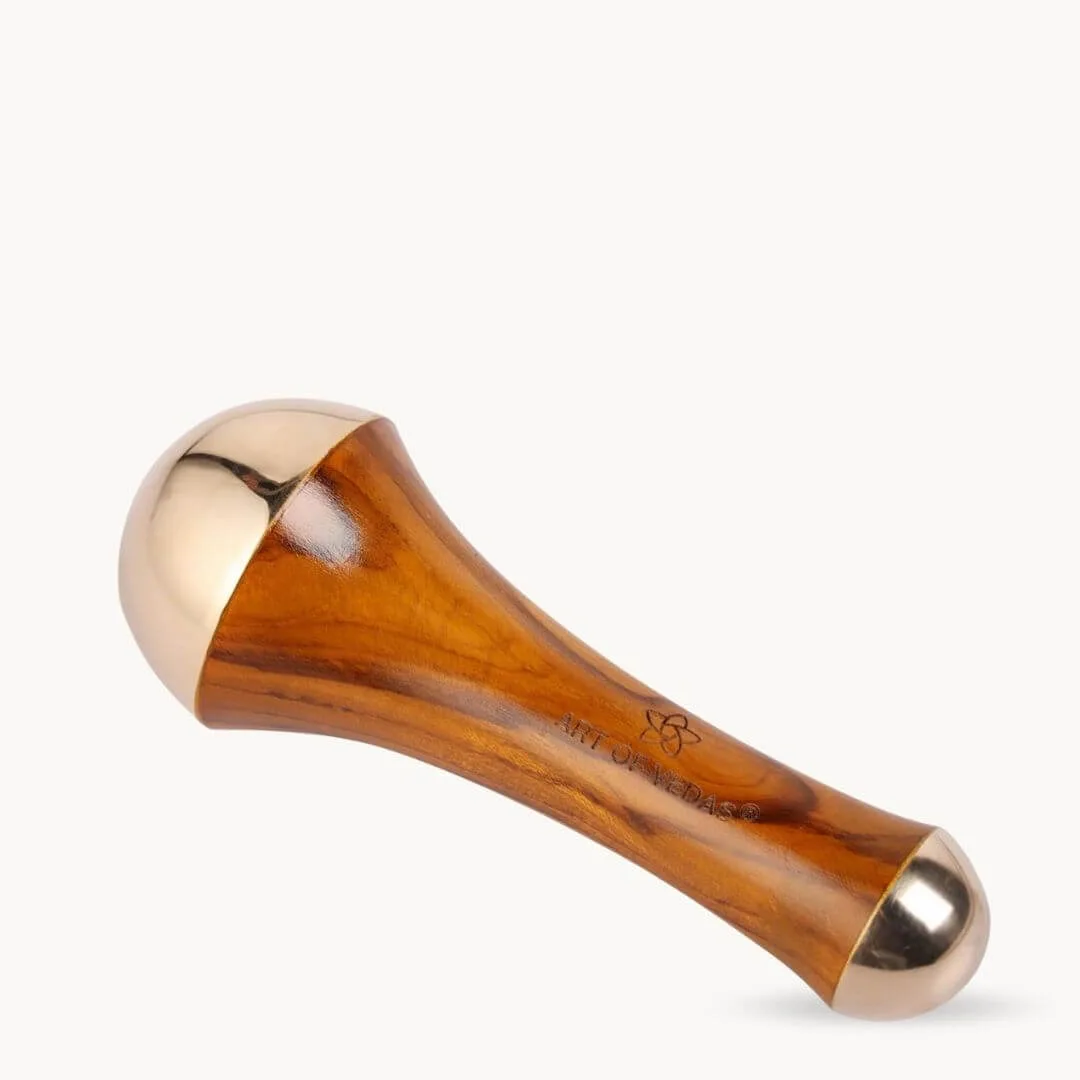
Both practices draw on the classical Ayurvedic understanding of metals and their therapeutic properties, but they are distinct in their mechanisms and applications. The copper water practice works through ingestion and the Anusara principle. Kansa tools - such as the Kansa Vatki and Kansa Wand - work through external massage, with the Kansa alloy (a specific blend of copper and tin) producing effects on the skin, marma points and subtle energy channels through touch. Both are part of the broader classical tradition of therapeutic metal use in Ayurveda, and both feature in the daily self-care practices described across the classical texts.
This article is for educational purposes. The copper glass practice is a traditional Ayurvedic wellness practice described in classical texts. It is not intended to diagnose, treat, cure or prevent any disease and is not a substitute for professional medical advice.