This article is part of our Complete Guide to Panchakarma guide series.
What Is Kizhi?
Kizhi is a classical Ayurvedic treatment in which warm herbal boluses (cloth bundles filled with substances) are pressed and massaged over the body. The name comes from the Malayalam word "Kizhi," meaning bundle or poultice. In Sanskrit-based texts, the technique falls under the broader category of Pinda Sweda (bolus sudation therapy).
This treatment is one of the most widely practised external therapies in traditional Ayurvedic medicine. It combines localised heat application with the therapeutic properties of the herbs, powders, or other substances contained within the bolus. The controlled delivery of warmth through the cloth makes Kizhi a precise and versatile clinical tool.
Types of Kizhi in Classical Practice
Classical Ayurveda describes several distinct forms of Kizhi, each using different filling materials. The choice depends on the client's constitution, the area being treated, and the therapeutic objective.
Ela Kizhi (Patra Pinda Sweda)
Fresh leaves are chopped, combined with grated coconut and warming herbs, then fried in medicated oil before being tied into boluses. This is the most common form of Kizhi in clinical practice. The leaves typically include Eranda (castor), Nirgundi (Vitex negundo), and Dhatura, selected for their traditional warming and penetrating qualities.
Njavara Kizhi (Shashtika Shali Pinda Sweda)
Njavara rice (a specific rice variety ) is cooked in a milk decoction of Bala (Sida cordifolia), then tied into boluses. This is a nourishing form of Kizhi, traditionally used to support tissue strength and vitality. It is considered appropriate for Vata-predominant conditions where nourishment rather than stimulation is the goal.
Choorna Kizhi (Choorna Pinda Sweda)
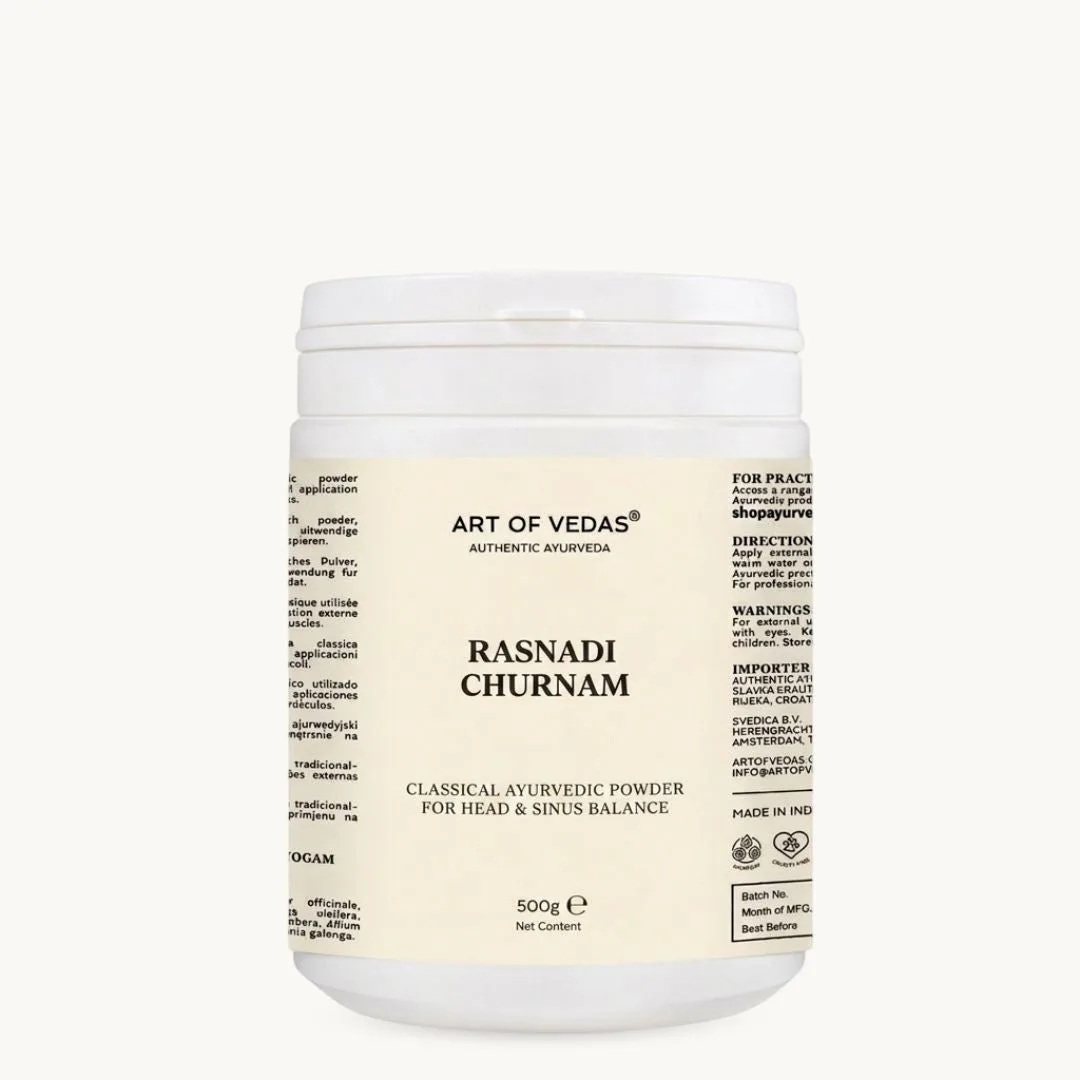
Dry herbal powders are heated and packed into cloth boluses. This form shares some qualities with Udvartana in that it uses dry substances, but the bolus delivery system allows more precise heat control and localised application. Common powders include Rasnadi Churnam and Kottamchukkadi Churnam.
Mutta Kizhi (Egg Bolus)
A specialised preparation using herbal-infused egg mixtures in the bolus. This is a less common but classically documented variation, typically reserved for specific clinical situations where the emollient properties of egg are considered beneficial.
Selecting the Right Kizhi Type
The choice between these forms is a clinical decision, not a menu preference. Practitioners should match the Kizhi type to the client's Dosha pattern, the treatment objective, and the phase of therapy:
-
Vata predominance: Njavara Kizhi (nourishing, warming) or Ela Kizhi with generous oil base
-
Kapha predominance: Choorna Kizhi (dry, stimulating) or Ela Kizhi with lighter oil and more vigorous application
-
Pitta predominance: Njavara Kizhi with cooling herbs or modified Ela Kizhi using cooling leaves; avoid excessive heat and duration
-
Mixed presentations: Ela Kizhi is the most adaptable form, as the leaf and oil selection can be adjusted to suit dual-Dosha patterns
For first-time clients or those unfamiliar with Ayurvedic treatments, Ela Kizhi is generally the safest starting point. It is versatile, well-tolerated, and provides a clear sensory experience that helps clients understand the treatment's mechanism.
Treatment Protocol
A standard clinical Kizhi session requires methodical preparation and consistent technique. The following protocol reflects traditional Ayurvedic practice.
Preparation Phase
-
Bolus preparation: prepare 4-8 boluses depending on treatment type (Ela Kizhi requires fresh preparation each session; Njavara Kizhi boluses are prepared during the treatment)
-
Cloth material: use unbleached cotton muslin, approximately 30 x 30 cm squares, tied firmly with cotton string
-
Heating medium: a deep pan or vessel containing warm medicated oil (for Ela Kizhi) decoction (for Njavara Kizhi) to reheat boluses during the session
-
Room temperature: 25-27 degrees Celsius, slightly warmer than for dry treatments
-
Session duration: 45-60 minutes of active treatment
Pre-Treatment
Apply a thin layer of warm medicated oil to the treatment area. This serves two purposes: it protects the skin from excessive heat and allows the bolus to glide smoothly. For full-body Kizhi, a brief Abhyanga (traditional warm oil body massage) of 10-15 minutes precedes the bolus application.
Application Technique
-
Test the bolus temperature on the back of your own hand before applying to the client. The bolus should be comfortably warm, not hot enough to cause discomfort. Temperature control is the most critical skill in Kizhi practice.
-
Begin at the shoulders and neck for a full-body treatment. Apply the bolus using a rhythmic pressing and dabbing motion, alternating between firm pressure and lighter sweeping strokes.
-
Work systematically across each body region: shoulders, upper back, lower back, posterior legs, then turn the client and address anterior legs, abdomen (with lighter pressure), chest, and arms.
-
Rotate between boluses to maintain consistent temperature. While one pair is in use, the others reheat in the warming vessel. A skilled practitioner keeps two boluses in active use, one in each hand.
-
Adjust pressure and speed based on the treatment area: firm, slow application on muscular areas (back, thighs); lighter, faster strokes on bony prominences and sensitive areas (face, if indicated).
-
Maintain rhythm. Classical Kizhi relies on consistent rhythmic application. Irregular or halting technique reduces therapeutic effectiveness and disrupts the client's comfort.
Post-Treatment
After removing the boluses, allow residual oil or decoction to remain on the skin for 15-20 minutes. The client then takes a warm shower. Advise rest and warm fluids. Avoid cold exposure for at least two hours following treatment.
Clinical Applications in Ayurvedic Practice
Kizhi occupies a central position in the Ayurvedic external therapy repertoire. Its versatility comes from the ability to modify the bolus contents, temperature, pressure, and duration to suit different clinical presentations.
In classical terms, Kizhi is primarily a Swedana (sudation) therapy. It is traditionally used to support comfortable joint movement, promote a sense of ease in the musculoskeletal system, and encourage healthy circulation. The localised heat delivery makes it particularly valued for targeted application to specific body regions.
Kizhi Within a Panchakarma Programme
Within a structured Panchakarma programme, Kizhi typically appears in the Purvakarma (preparatory) phase alongside Abhyanga and steam therapy. The sequence of Abhyanga followed by Kizhi followed by steam (Bashpa Sweda) is one of the most common preparatory protocols in South Indian Panchakarma tradition.
For practitioners offering Shirodhara, Kizhi serves as an effective preparatory treatment when performed on the same day, before the Shirodhara session.
Treatment Course and Frequency
Classical texts recommend Kizhi in courses of 7, 14, or 21 days. A seven-day course is standard for general wellness applications. Fourteen-day courses are traditional for more established Kapha or Vata imbalances. The 21-day course is reserved for intensive Panchakarma programmes.
Outside of structured courses, maintenance sessions of once weekly or fortnightly are common in European clinical practice. These ongoing sessions serve clients who benefit from regular external therapy as part of their wellness routine.
Practical Guidance for European Practitioners
Sourcing and Compliance
- Herbal materials must comply with EU cosmetic or food supplement regulations depending on their classification in your country
- Fresh leaf availability varies by region; dried herb alternatives exist for all classical Kizhi preparations
- Njavara rice may need to be imported; ensure your supplier provides the correct variety (Shashtika Shali), not a substitute grain
- Medicated oils used for bolus preparation should carry proper EU documentation and safety data sheets
Training and Competence
Kizhi requires hands-on training under a qualified instructor. The temperature management, pressure calibration, and rhythmic technique cannot be learned from text alone. Practitioners new to Kizhi should complete a supervised training before offering it to clients.
The most common errors in Kizhi practice are inconsistent bolus temperature (too hot or too cold), irregular rhythm, and insufficient oil preparation of the skin. All three reduce effectiveness and client comfort.
Equipment Essentials
- Cotton muslin squares (undyed, unbleached)
- Cotton string for tying boluses
- Deep warming vessel (stainless steel or traditional brass)
- Portable heating element to maintain oil/decoction temperature
- Treatment table with oil-resistant covering
- Adequate ventilation (herbal preparations produce strong aromas)
Kizhi in the Context of Classical External Therapies
Among Ayurvedic external therapies, Kizhi holds a unique position because it combines three therapeutic modalities in a single treatment: heat (Swedana), herbal medicine (through transdermal contact), and manual therapy (pressure and rhythm). This triple action distinguishes it from simpler treatments like steam therapy (heat only) or oil massage (manual therapy plus oleation).
For practitioners building a comprehensive Ayurvedic treatment offering, Kizhi is a core competency. It complements Abhyanga, Shirodhara, and other therapies to create a complete external treatment programme grounded in classical methodology.
Contraindications and Safety
Classical texts identify several situations where Kizhi should not be performed or should be modified:
- Acute fever or systemic inflammation: the additional heat from boluses is contraindicated
- Open wounds or acute skin conditions in the treatment area
- Pregnancy: full-body Kizhi is avoided; localised application to non-abdominal areas may be appropriate with clinical judgement
- Extreme debility or fatigue: the treatment's stimulating nature may deplete an already exhausted client
- Immediately after heavy meals: wait at least one to two hours
Temperature management is the primary safety concern during treatment. Burns from overheated boluses represent the most common adverse event in Kizhi practice. Test every bolus on the back of your own hand before each application to the client. Err on the side of slightly too cool rather than too warm; reheating is simple, but a burn damages both the client and their trust in the therapy.
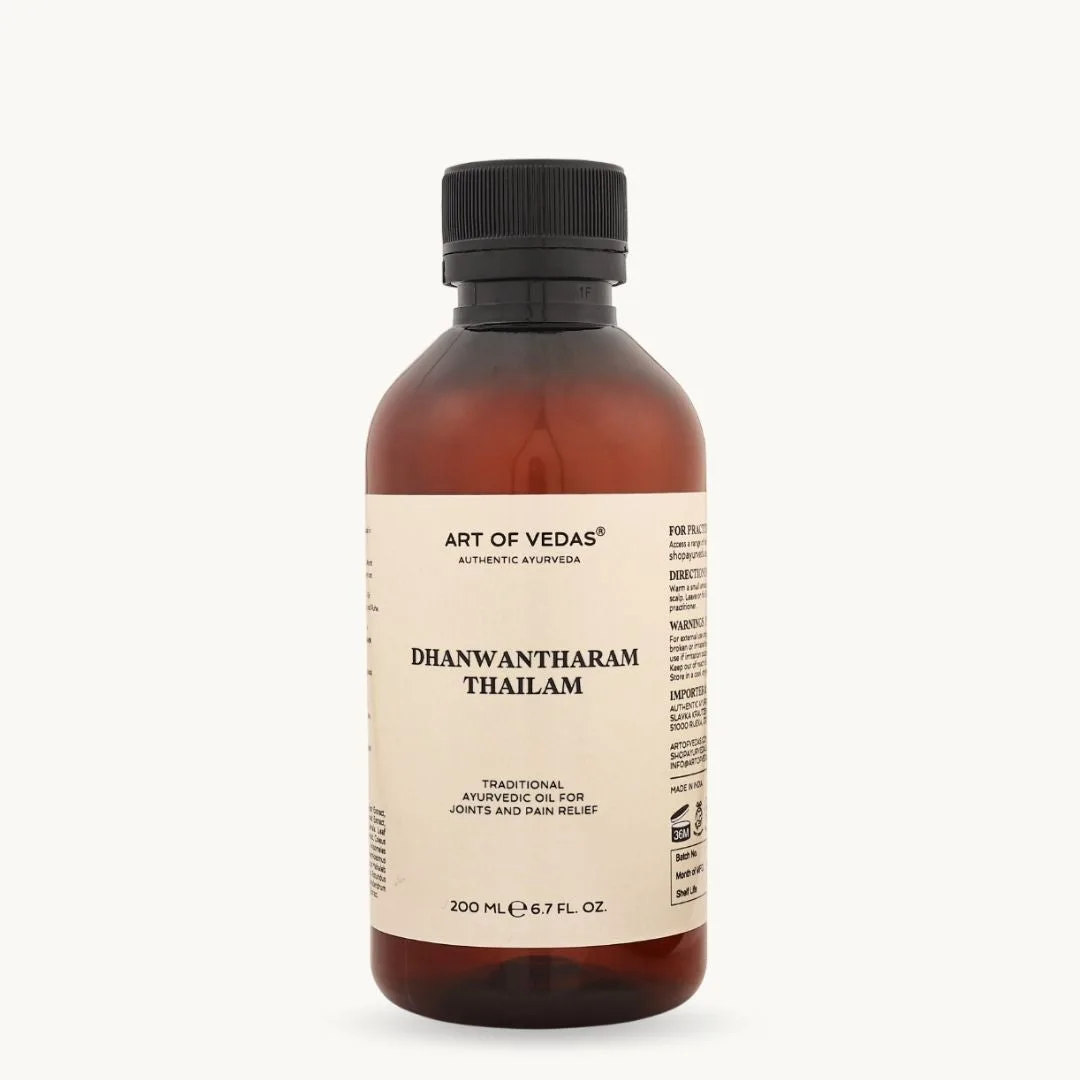
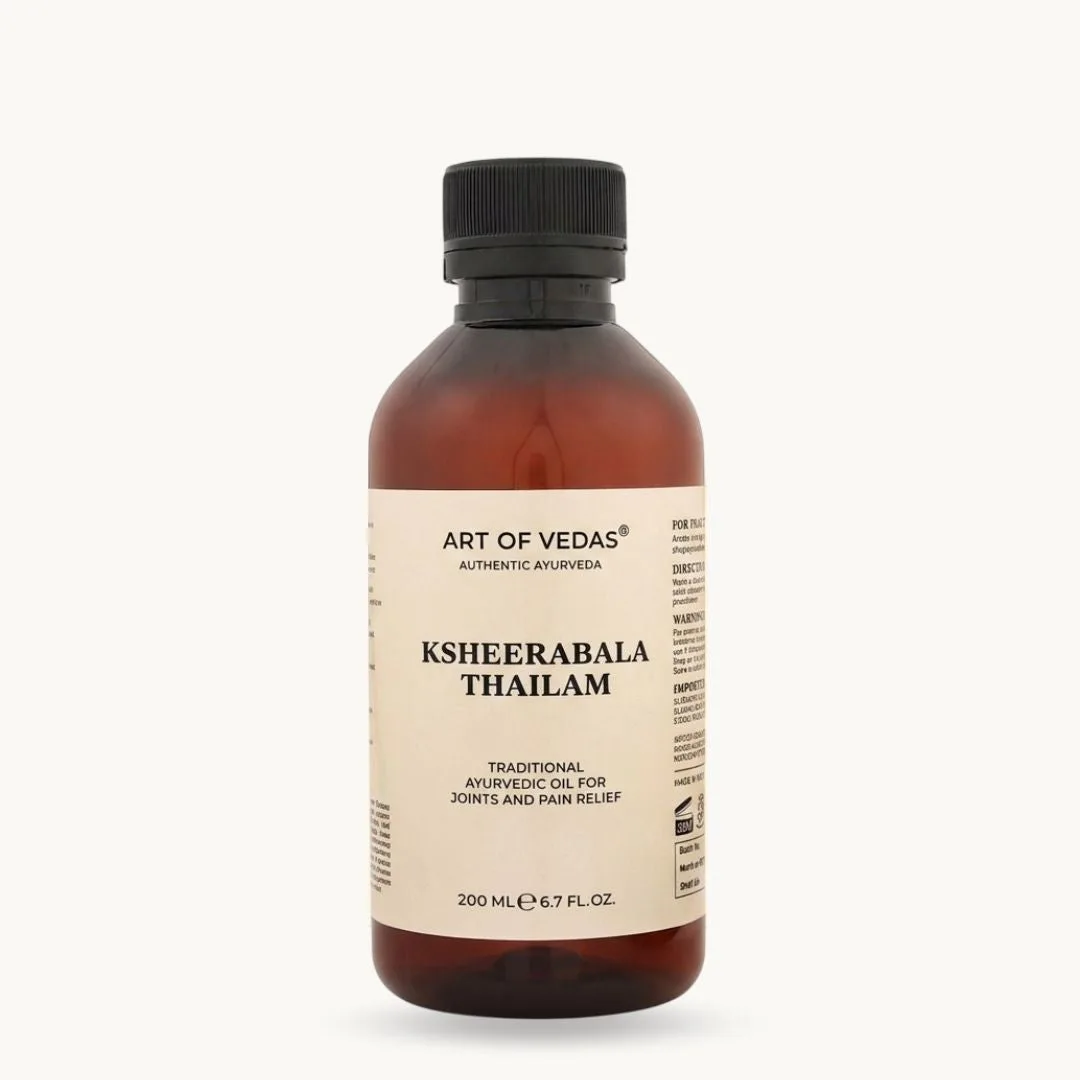
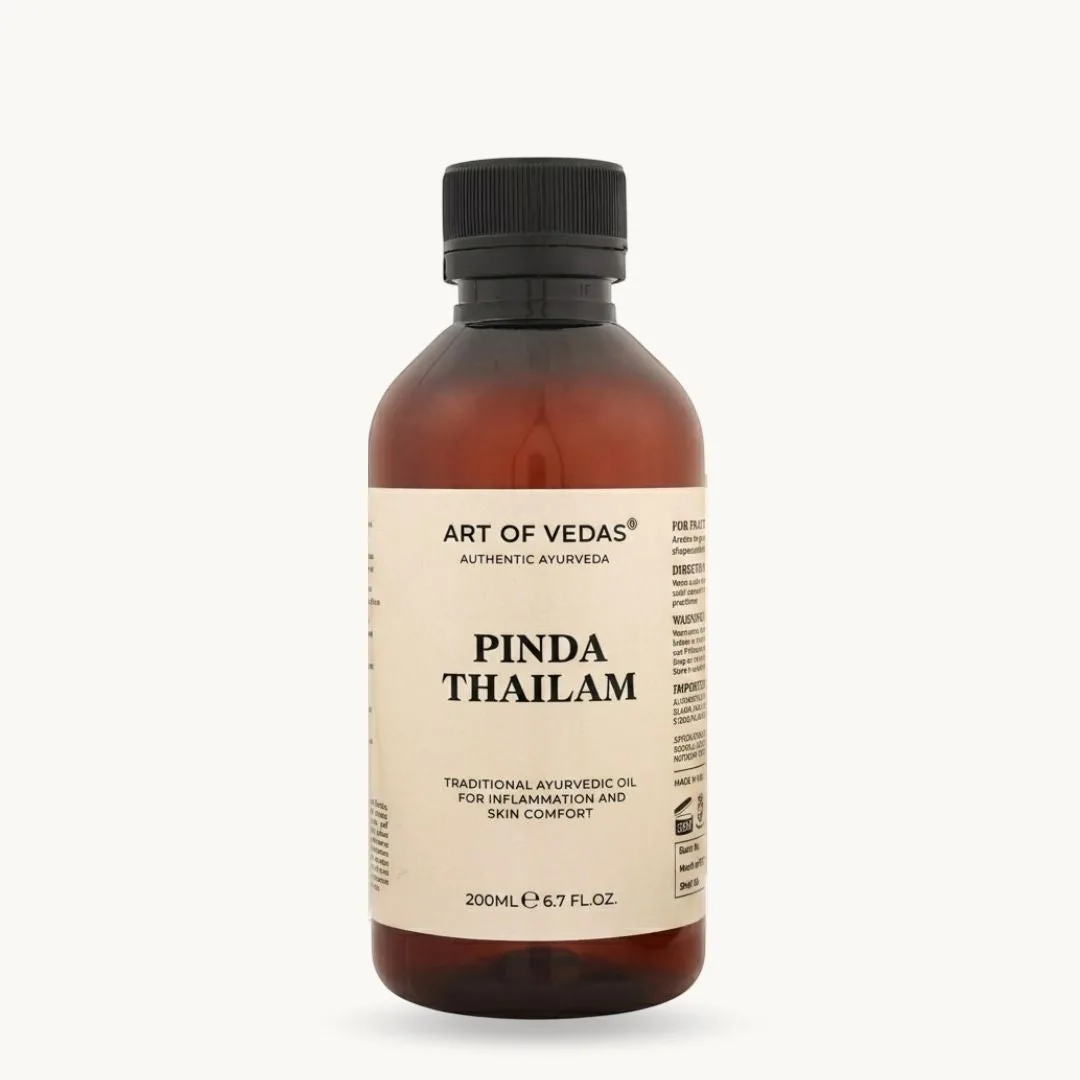
Art of Vedas supplies the medicated oils and herbal formulations required for professional Kizhi practice across Europe. Explore our Panchakarma guide for the full clinical context of this treatment.