This article is for educational purposes. Full Panchakarma therapy requires clinical supervision. For external use products: not a substitute for professional medical advice.
What Is Panchakarma?
Panchakarma is the classical Ayurvedic purification and rejuvenation system described in detail in the Charaka Samhita (Siddhisthana) and the Ashtanga Hridayam (Sutrasthana Ch.14). The name means "five actions" (Pancha = five, Karma = actions), referring to the five primary purification procedures: Vamana (therapeutic emesis), Virechana (therapeutic purgation), Basti (medicated enemas), Nasya (nasal administration) and Raktamokshana (bloodletting). These five procedures are clinical treatments that require trained practitioners, specialised facilities and careful medical supervision.
But here is what most people searching for "Panchakarma at home" actually want to know: what can I safely do from the classical Panchakarma tradition in my own home, without a clinic, to support my body's natural cleansing processes?
The answer is honest and specific. You cannot do full Panchakarma at home - and should not try. But you absolutely can practise the Purvakarma (preparatory practices) and several Dinacharya (daily routine) elements that classical texts describe as safe, effective and self-administered. These practices are the foundation upon which clinical Panchakarma is built, and they are powerful in their own right.
What Requires Clinical Supervision (Do Not Attempt at Home)
To be absolutely clear about what falls outside home practice, the Charaka Samhita (Siddhisthana Ch.1-6) describes these procedures as requiring Vaidya (physician) supervision:
-
Vamana - Therapeutic emesis. Requires precise herbal preparation, observation of complications, and post-procedure care protocols.
-
Virechana - Therapeutic purgation. The Charaka Samhita describes 18 possible complications (Vyapads) that can arise if improperly administered.
-
Basti - Classical medicated enemas. Requires specific equipment, precise herbal decoctions, and clinical monitoring. For an overview, see our guide to Basti in Ayurveda.
-
Raktamokshana - Bloodletting. Exclusively a clinical procedure.
If you are interested in full Panchakarma, Shop Ayurveda EU connects Ayurvedic practitioners and Panchakarma centres across Europe with clinical-grade supplies and formulations.
What You Can Safely Do at Home: The Purvakarma Practices
Purvakarma means "preparatory actions" - the practices that classical texts describe as preceding the main Panchakarma procedures. Remarkably, these preparatory practices are themselves deeply purifying and can be practised independently as a home cleansing routine.
1. Abhyanga - Daily Oil Self-Massage
The Charaka Samhita (Sutrasthana Ch.5) describes Abhyanga as one of the most important daily practices for maintaining health and preventing disease. Warm oil massage loosens Ama (metabolic waste) from the tissues, nourishes the skin, calms the nervous system and supports lymphatic circulation.
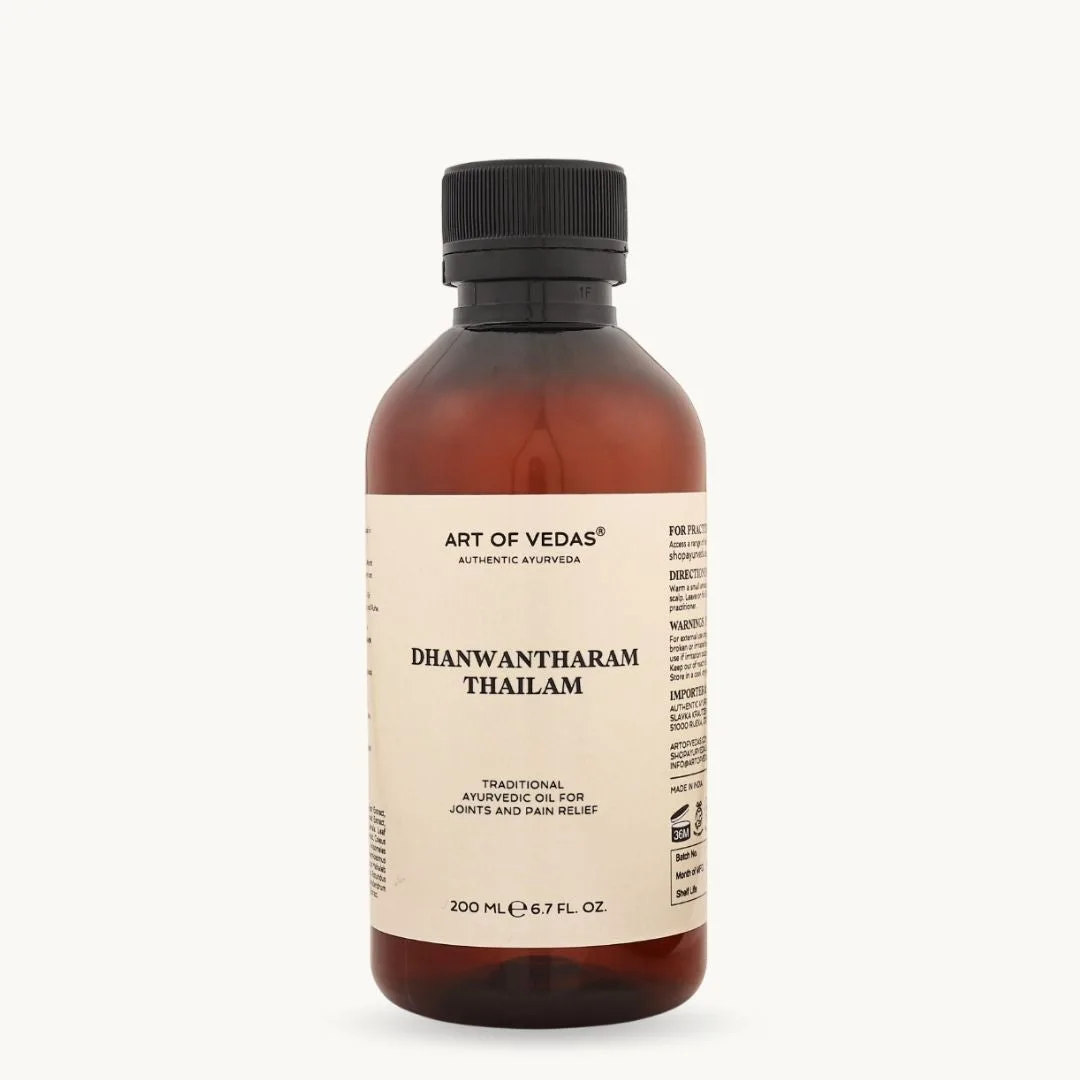
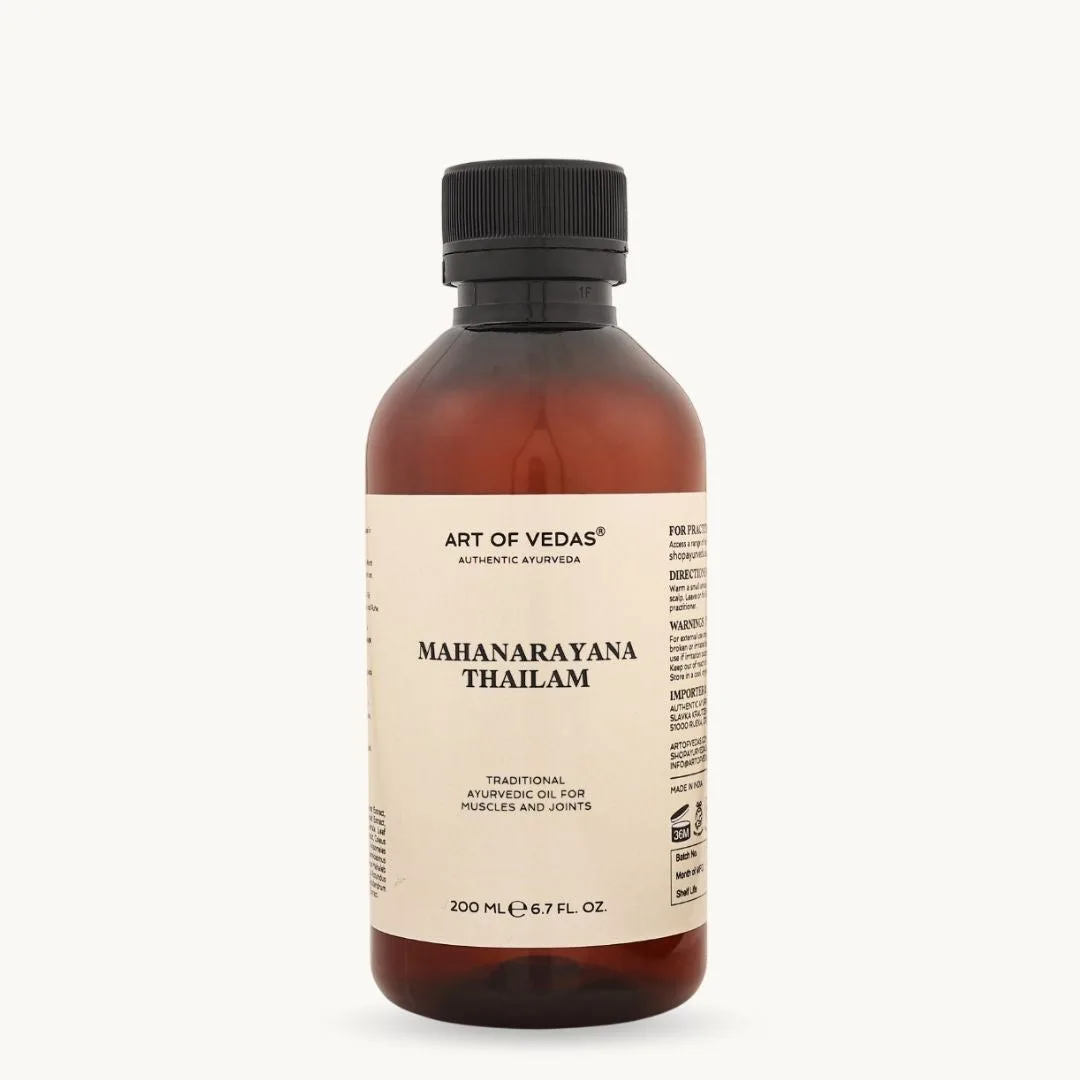
For home practice, apply warm Dhanwantharam Thailam (Vata-pacifying, general purpose) or Mahanarayana Thailam (joint and muscle focus) over the entire body using long strokes on the limbs and circular motions on the joints. Leave for 15-20 minutes, then shower. For a complete step-by-step guide, see our Abhyanga guide.
2. Swedana - Gentle Steam or Warm Bathing
After Abhyanga, the classical texts describe Swedana (sudation/sweating) as the next step in loosening Ama. At home, a simple warm bath or shower after oil application serves this purpose. The heat opens the channels (Srotas), allowing the oil to penetrate more deeply and toxins to begin moving towards the digestive tract for elimination. A warm towel wrapped around the body for 10 minutes after Abhyanga is another gentle home Swedana method.
3. Nasya - Nasal Oil Application
Nasya is the one Panchakarma procedure that has a safe home-practice version. Pratimarsha Nasya - the gentle daily application of 1-2 drops of Nasya oil (Anu Thailam) into each nostril - is described in the Ashtanga Hridayam as safe for daily self-administration. This is distinct from clinical Marsha Nasya, which uses larger quantities and stronger preparations. For the complete classical Nasya method, see our Nasya guide.
4. Tongue Scraping (Jihva Nirlekhana)
The Charaka Samhita describes copper tongue scraping as part of the morning Dinacharya. It removes overnight bacterial accumulation and Ama coating from the tongue, stimulates the digestive organs through reflex points, and gives you direct visual feedback on your body's toxin load. A thick white or yellow coating indicates Ama - precisely the condition that Panchakarma aims to clear. Use a copper tongue scraper each morning before eating or drinking.
5. Oil Pulling (Gandusha / Kavala)
Swishing Arimedadi Thailam in the mouth for 5-15 minutes each morning is a classical Dinacharya practice described in the Charaka Samhita (Sutrasthana Ch.5) and the Ashtanga Hridayam. It supports oral microbiome health, strengthens the gums and jaw, and draws toxins from the oral cavity. This is the classical version of what the modern wellness world calls "oil pulling."
6. Triphala for Internal Cleansing
While full Virechana (purgation) requires clinical supervision, gentle daily internal cleansing with Triphala Churna is the classical home alternative. Half a teaspoon in warm water before bed supports natural elimination without the intensity of clinical purging. The Charaka Samhita describes Triphala as a gentle Shodhana (purifier) safe for long-term daily use.
7. Dietary Simplification (Langhana)
The Ashtanga Hridayam describes Langhana (lightening therapy) as a foundational cleansing approach. At home, this means simplifying your diet for a defined period: cooked vegetables, rice, mung dal, warm water, gentle spices (ginger, cumin, coriander). Eliminate heavy, cold, raw, processed and fried foods. This gives the digestive fire space to process accumulated Ama. Classical texts recommend this dietary reset at the junction of seasons - particularly as winter transitions to spring (Kapha season) and summer transitions to autumn (Vata season). See our spring cleanse guide for the seasonal protocol.
8. Garshana - Dry Brushing
Before Abhyanga, dry brushing with raw silk gloves (or a natural bristle brush) stimulates lymphatic circulation and loosens surface Ama. The Garshana practice is particularly beneficial for Kapha types or during Kapha season (late winter/spring). Always brush towards the heart using brisk, stimulating strokes.
Building a Home Purification Week
Here is how to combine these practices into a structured 5-7 day home cleansing routine:
Morning (45 minutes): Tongue scraping, oil pulling with Arimedadi Thailam (10 minutes), Nasya (2 drops each nostril), Garshana dry brushing (5 minutes), warm oil Abhyanga with Dhanwantharam Thailam (15 minutes), warm shower.
Meals: Simple, warm, cooked food. Kitchari (rice and mung dal with digestive spices) is the classical cleanse meal. Three meals, no snacking, warm water throughout the day.
Evening: Light early dinner. Triphala Churna in warm water 30 minutes before bed. Early sleep (before 10pm).
This is a classical Purvakarma routine that any healthy adult can safely practise at home. It is not full Panchakarma, but it is the genuine classical preparation protocol that Ayurvedic practitioners use to ready the body for deeper treatment.
When to Seek Professional Guidance
If you experience significant health challenges or want to go beyond these home practices, an Ayurvedic consultation is the appropriate next step. A qualified practitioner can assess your Prakriti and Vikriti, determine whether clinical Panchakarma is appropriate, and design a personalised protocol. Art of Vedas offers online consultations with BAMS-qualified Ayurvedic doctors who can guide you through the full process.
The Dosha assessment is a useful starting point for understanding your constitution and which home practices will be most beneficial for your specific type.
Art of Vedas Products for Home Purification
The classical home Panchakarma practices described above use specific traditional preparations. Art of Vedas provides these in their authentic forms:
Browse the full classical Thailam collection or supplements range to find what suits your constitution and cleansing goals.
Frequently Asked Questions
Is home Panchakarma as effective as clinical Panchakarma?
No, and it is not intended to be. Clinical Panchakarma uses stronger procedures that achieve deeper purification under medical supervision. Home practices are the Purvakarma (preparatory) and Dinacharya (daily routine) components that support ongoing health maintenance and gentle seasonal cleansing. They are complementary to, not a replacement for, clinical treatment when needed.
How often should I do a home cleanse?
Classical texts recommend seasonal cleansing at the junction of major seasons - particularly the transition from winter to spring (to clear accumulated Kapha) and from summer to autumn (to pacify accumulated Pitta). This means two structured home cleanses per year, with daily Dinacharya practices (tongue scraping, oil pulling, Abhyanga) maintained year-round.
Can I do home Panchakarma practices during pregnancy?
Gentle Abhyanga with appropriate oils and tongue scraping are generally considered safe during pregnancy in the classical tradition. However, Nasya, Triphala, vigorous Garshana and dietary restriction should be avoided during pregnancy without specific guidance from an Ayurvedic practitioner familiar with Garbhini Paricharya (pregnancy protocols). Always consult your healthcare provider.
Do I need to fast during a home cleanse?
The classical approach is not fasting in the modern sense. Langhana means "lightening" - eating simple, warm, easily digestible meals (kitchari is the classical choice) rather than abstaining from food entirely. Complete fasting is described in the texts for specific therapeutic purposes under practitioner guidance, not as a general home cleanse practice.