Every physician in history has faced the same question: why does the same medicine work brilliantly for one patient and poorly for another? Why does the same diet suit one person and exhaust another? Why do two people living in the same household, eating the same food and working the same hours age so differently?
Ayurveda's answer to this question is Prakriti - the concept that each person is born with a unique psychophysiological constitution that determines how their body and mind function throughout life. Understanding your Prakriti is not self-help. It is the diagnostic foundation on which all personalised Ayurvedic practice rests.
The Classical Definition
The word Prakriti comes from Sanskrit: Pra (before, primary) and Kriti (creation, form). Prakriti is literally the "primary nature" or "original form" of an individual - the foundational pattern of qualities that shapes how every system in your body and mind tends to function.
Prakriti is determined at the moment of conception, according to classical texts. Specifically, it is shaped by the relative proportion of the three Doshas - Vata, Pitta and Kapha - present in the reproductive tissues of both parents at the moment of conception, combined with influences from the uterine environment, maternal diet and behaviour during pregnancy, and the time and conditions of birth.
This is what makes Prakriti fundamentally different from your current health state. Prakriti does not change. It is the fixed constitutional baseline against which all deviations (called Vikriti - current imbalanced state) are measured. Understanding the difference between Prakriti and Vikriti is central to understanding how Ayurvedic assessment works.
Prakriti vs Vikriti: The Most Important Distinction in Ayurvedic Assessment
|
Prakriti |
Vikriti |
| What it is |
Fixed constitutional nature |
Current state of imbalance |
| Does it change? |
No - established at conception |
Yes - fluctuates constantly |
| What shapes it? |
Parental constitution, conception conditions |
Diet, lifestyle, seasons, stress, age |
| How to read it |
Based on lifelong tendencies |
Based on present symptoms |
| What it determines |
Your optimal baseline |
What needs to be addressed now |
In clinical Ayurvedic assessment, a practitioner examines both simultaneously. Prakriti tells the practitioner what an individual's natural tendencies are - how they digest food, how they sleep, how they respond to stress, how their skin tends to behave. Vikriti tells the practitioner what has moved away from that baseline and needs attention.
This is why the same herb, the same oil or the same dietary recommendation may be deeply appropriate for one person and completely wrong for another, even if their presenting complaints look similar.
The Seven Constitutional Types
Classical texts describe seven possible Prakriti types based on the combinations of the three Doshas:
Single-Dosha types (rare but the most clear constitutions):
Dual-Dosha types (the most common):
Tridoshic type (rare):
Sama Prakriti - roughly equal Vata, Pitta and Kapha; considered in classical texts as the most resilient and balanced constitution, but extremely rare.
Most people reading this will be a dual-Dosha type. The dominant Dosha in your constitution shapes you most strongly; the secondary Dosha adds nuance and complexity.
How Prakriti Manifests: The Classical Parameters
Classical texts assess Prakriti across a wide range of observable parameters. These are the same parameters used in traditional Nadi (pulse) assessment and Ashta Sthana (eight-fold examination) conducted by Ayurvedic physicians.
Physical Parameters
Body frame and build: Vata types tend toward lighter, irregular frames - long and lean or short and slight, with joints that may crack or be prominent. Pitta types tend toward medium, athletic builds with good muscle definition. Kapha types tend toward larger, sturdier frames with broad shoulders, rounded features and a natural tendency to accumulate body mass.
Skin texture and tendency: Vata skin tends to be dry, rough and thin - it dries quickly in cold weather and tends toward premature wrinkling. Pitta skin tends to be soft, warm and slightly oily, prone to redness and sensitivity. Kapha skin tends to be thick, smooth, cool and oily - it ages well but tends to accumulate excess moisture.
Hair: Vata hair tends to be dry, fine and prone to split ends and frizz. Pitta hair tends to be fine-to-medium, straight or slightly wavy, prone to early greying or thinning. Kapha hair tends to be thick, wavy, lustrous and slow to grey.
Eyes: Vata eyes tend to be small, active and dry. Pitta eyes tend to be medium, sharp and sensitive to light. Kapha eyes tend to be large, steady, well-lubricated and calm.
Appetite and digestion: Vata digestion is irregular - strong one day, weak the next. Pitta digestion is sharp and intense - Pitta types are reliably hungry and can become irritable when meals are missed. Kapha digestion is slow and steady - Kapha types can go long periods without eating but digest slowly.
Psychological Parameters
Memory and learning style: Vata types learn quickly and forget quickly. Pitta types learn quickly and retain well. Kapha types learn slowly but retain information with exceptional depth once it settles.
Emotional tendencies under stress: Vata tends toward anxiety, overwhelm and fear. Pitta tends toward irritability, frustration and perfectionism. Kapha tends toward withdrawal, attachment and inertia.
Speech patterns: Vata speech tends to be fast, frequent and variable. Pitta speech tends to be clear, precise and purposeful. Kapha speech tends to be slow, measured and melodious.
Sleep patterns: Vata types tend to be light sleepers who wake easily and may have difficulty falling back to sleep. Pitta types sleep well but intensely - vivid dreams, sometimes too hot. Kapha types sleep deeply and heavily, often finding it difficult to wake and leave bed.
Why Prakriti Assessment Changes Everything
Once your Prakriti is clear, every Ayurvedic recommendation becomes specific rather than generic.
The right Abhyanga oil for your constitution: Vata types need warming, heavy, nourishing oils - Mahanarayana, Dhanwantharam, Ksheerabala. Pitta types need cooling, lighter oils with anti-inflammatory herbs. Kapha types need lighter, stimulating oils. Read the complete Abhyanga oil guide.
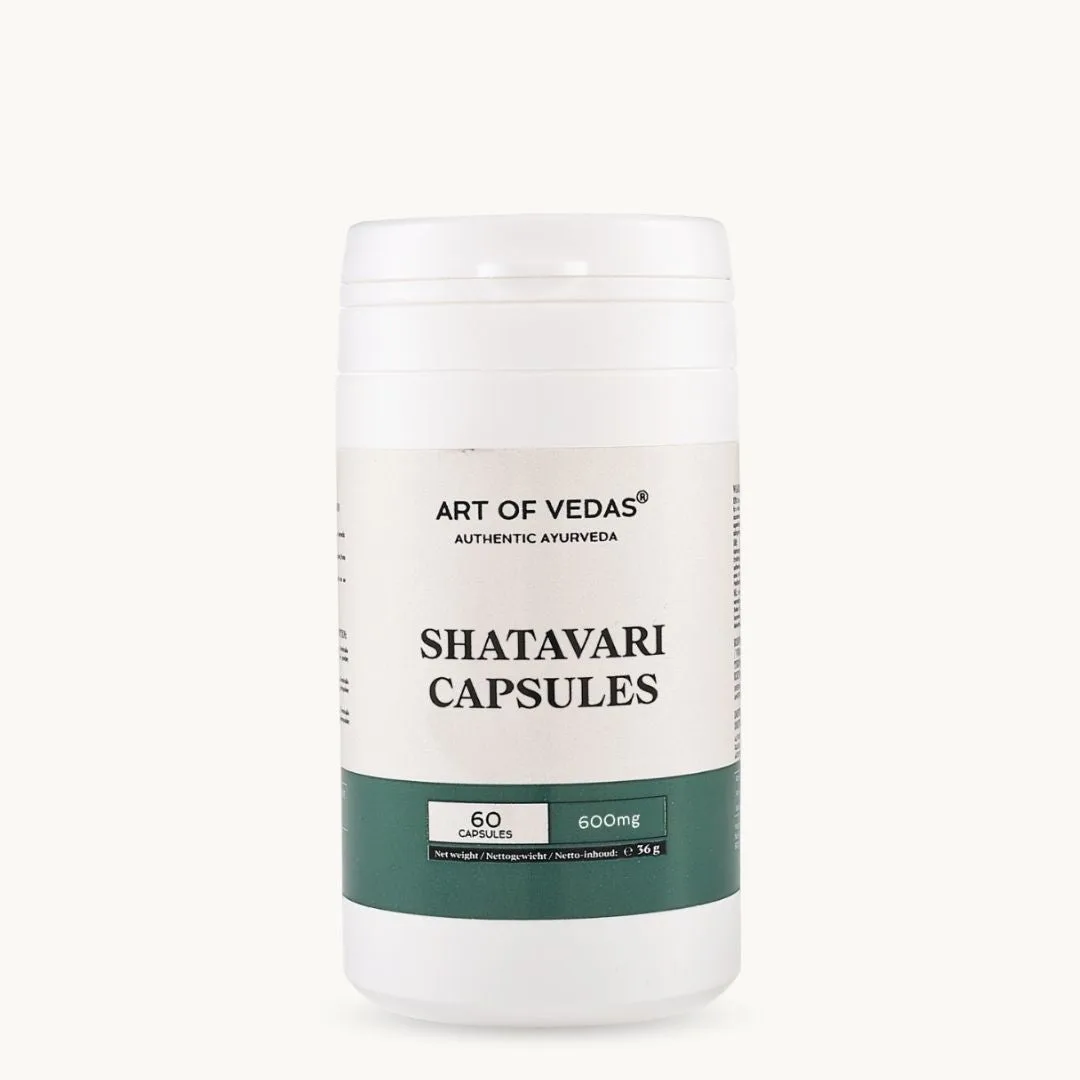
The right Rasayana herbs: Vata types find their primary Rasayana in Ashwagandha, which directly counters Vata's light and dry qualities. Pitta types are primarily served by Shatavari, a cooling nourishing herb. Kapha types benefit from stimulating Rasayana preparations that support without adding heaviness. Read the full Rasayana guide.
The right skincare approach: Vata skin needs consistent deep nourishment. Pitta skin needs cooling and soothing. Kapha skin needs lighter formulations that stimulate circulation without adding heaviness. Read Ayurvedic skincare by constitution.
The right Dinacharya (daily routine): The timing of meals, the type of exercise, the herbs appropriate for morning practice - all are constitution-specific. Complete Dinacharya guide here.
Seasonal adaptation: How your constitution responds to seasonal changes, and what supports you through them, follows from Prakriti. Complete seasonal guide here.
How to Identify Your Prakriti
The most accurate Prakriti assessment is conducted by an experienced Ayurvedic physician who can assess Nadi (pulse), observe physical characteristics and conduct a thorough intake interview. This remains the classical standard.
For a reliable starting point, a structured self-assessment questionnaire - based on the classical parameters described above - can give you a strong working understanding of your constitution.
Start with our free Dosha assessment - based on classical Ayurvedic parameters covering physical, digestive and psychological characteristics. Discover your Prakriti here.
For a complete professional Prakriti assessment conducted by an AYUSH-certified Ayurvedic doctor, with specific recommendations for diet, herbs and daily routine - our online consultation service is available across all of Europe.
Book an online consultation with an AYUSH-certified Ayurvedic doctor
The Individual Dosha Constitutions in Depth
Vata Dosha: Signs, tendencies and how to support Vata constitution
Pitta Dosha: The fire constitution - strength, intensity and how to stay balanced
Kapha Dosha: The earth constitution - endurance, stability and how to stay vital
Dual-Dosha constitutions:
Vata-Pitta: The creative and driven dual constitution
Pitta-Kapha: The power constitution - fire and resilience together
Vata-Kapha: The paradox constitution - restless and habitual in equal measure
Frequently Asked Questions
Can my Prakriti change over time?
Classical texts are clear that Prakriti does not change - it is fixed at conception. What changes is Vikriti - your current state of balance or imbalance. As you age, your Vikriti naturally shifts (Vata increases with age in classical theory), but your underlying Prakriti remains the constitutional reference point throughout life.
Is the Dosha test the same as Prakriti assessment?
A structured Dosha assessment questionnaire, based on classical parameters, gives a reliable approximation of Prakriti - particularly for a starting point. A full clinical Prakriti assessment by an experienced Ayurvedic physician, using Nadi Pariksha (pulse assessment) and comprehensive observation, is more precise. Both have value; the questionnaire is the accessible starting point.
What if my test results show near-equal scores across all three Doshas?
Tridoshic or near-equal results can indicate either a rare Sama Prakriti constitution or uncertainty in how the questions were answered. A professional assessment is particularly valuable in this case. Book a consultation here.
Does knowing my Prakriti mean I should only eat or use products suited to that Dosha?
Not entirely. Prakriti tells you your baseline tendencies and what generally supports you. Vikriti (current state) sometimes requires addressing the opposite of your constitution temporarily. For example, a Kapha Prakriti person experiencing a Vata imbalance needs Vata-pacifying support in that period. This is why professional guidance is valuable - Ayurvedic recommendations account for both Prakriti and Vikriti simultaneously.