Most Ghrithams are cooked with a water decoction. A smaller group is built on milk, and Sukumaram Ghritham belongs to it. The difference is not a detail of taste: in the classical scheme the liquid is one of the three components of the preparation, and choosing milk changes what the finished ghee is understood to be.
The three components, and where milk enters
Sneha Paka combines a fat, a fresh herbal paste and a liquid. The liquid, Drava, is usually a decoction of the formula's own herbs. Where the texts call for milk, it either replaces that decoction or joins it, and the proportions are stated in the formulation literature rather than left to the workshop.
Ksheerapaka, the milk method
Classical Ayurveda has a named method for cooking a substance in milk and water until the water has gone: Ksheerapaka. It appears in its own right for herbs taken in milk, and its logic carries into the milk-based ghees. The practical consequence is a longer, gentler cook, because milk cannot be driven hard without spoiling.
Why the tradition used it for the sweet formulas
- Milk is itself classed as Madhura, sweet, and Snigdha, unctuous, so it reinforces the character the formula is built on.
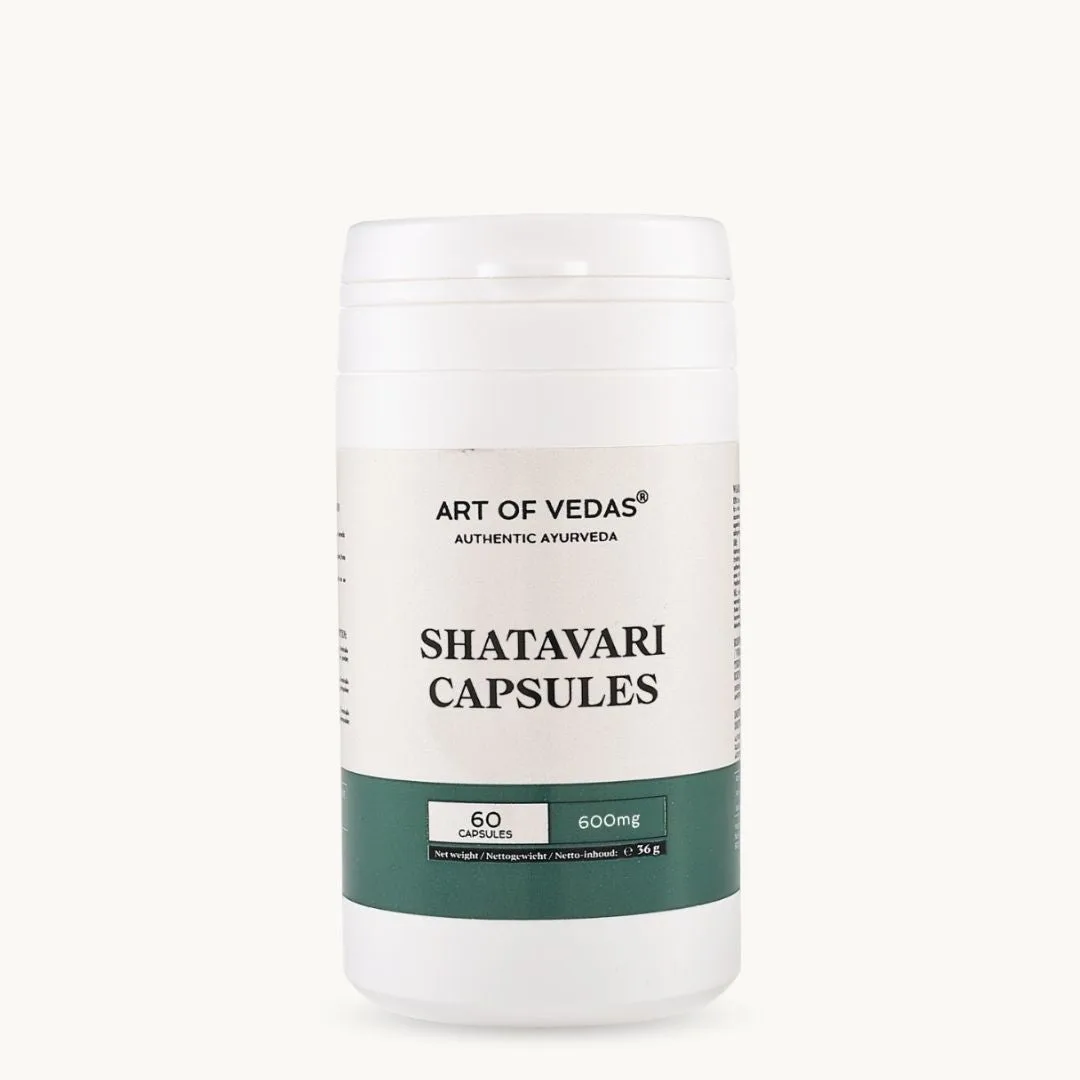
- The sweet herbs of the paste, Shatavari and liquorice among them, are described in the texts as belonging with milk.
- Jaggery and raisin, both sweet, complete a preparation the classical literature treats as the gentle end of the ghee family.
What the finished jar is
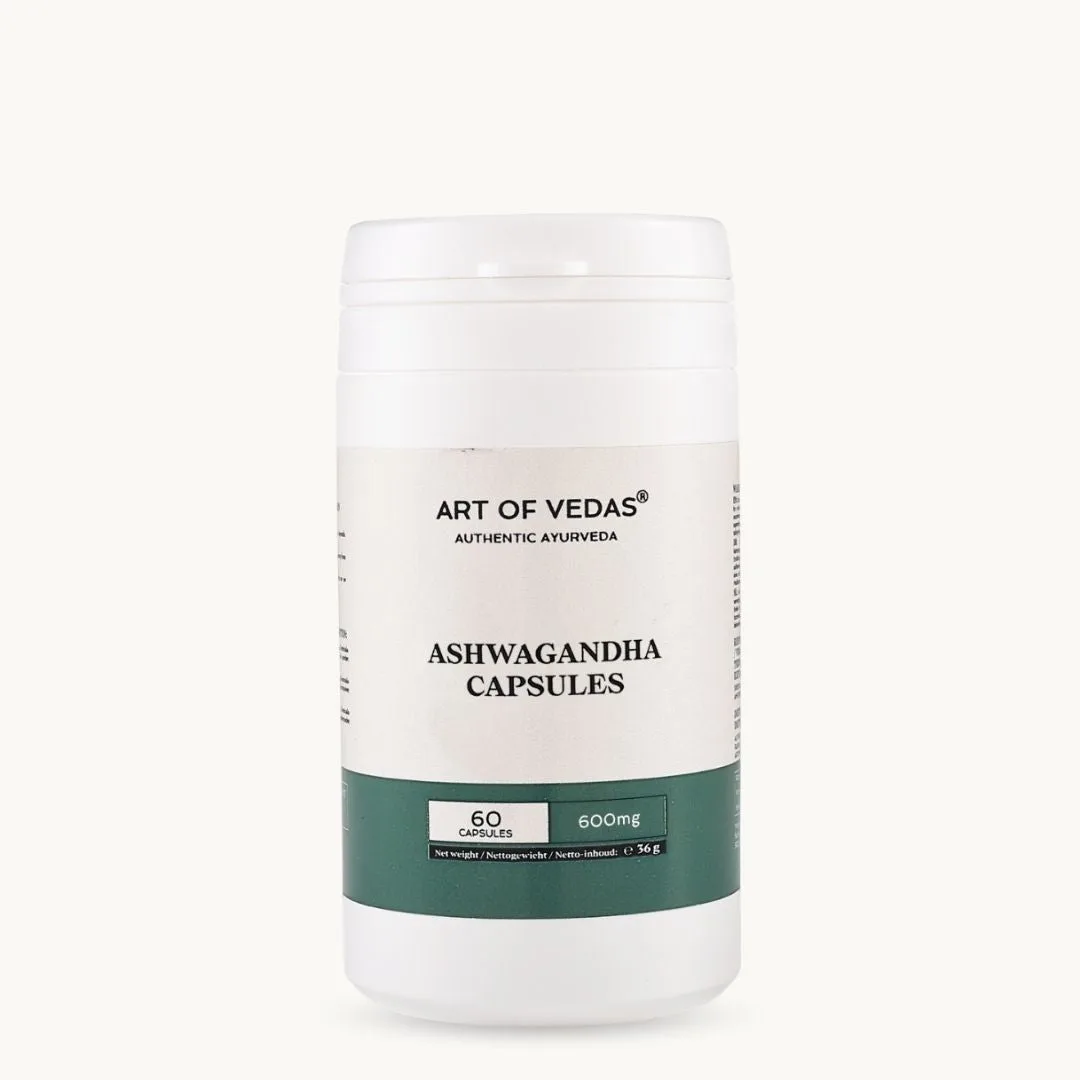
Sukumaram Ghritham from Art of Vedas is a simple ghee in this tradition, ghee and milk carrying Ashwagandha, Shatavari, liquorice and raisin. The Ghritham overview covers the method in general, and how Ghritham is traditionally taken covers the customs of taking one.
Frequently Asked Questions
What is Ksheerapaka?
The classical method of cooking a substance in milk with water until the water has evaporated, leaving the milk preparation.
Why does the liquid matter?
Because the liquid is one of the three named components of Sneha Paka. Milk rather than a water decoction marks a different family of ghee preparations.
Does the jar contain milk beyond the ghee?
Yes. Milk is part of this formula in addition to the ghee base, and the label states it as an allergen.
This article is for educational purposes and describes the classical Ayurvedic record. The products mentioned are food supplements, not a substitute for a varied, balanced diet, and are not intended to diagnose, treat, cure or prevent any disease. Take classical ghee preparations under the guidance of a qualified Ayurvedic practitioner.