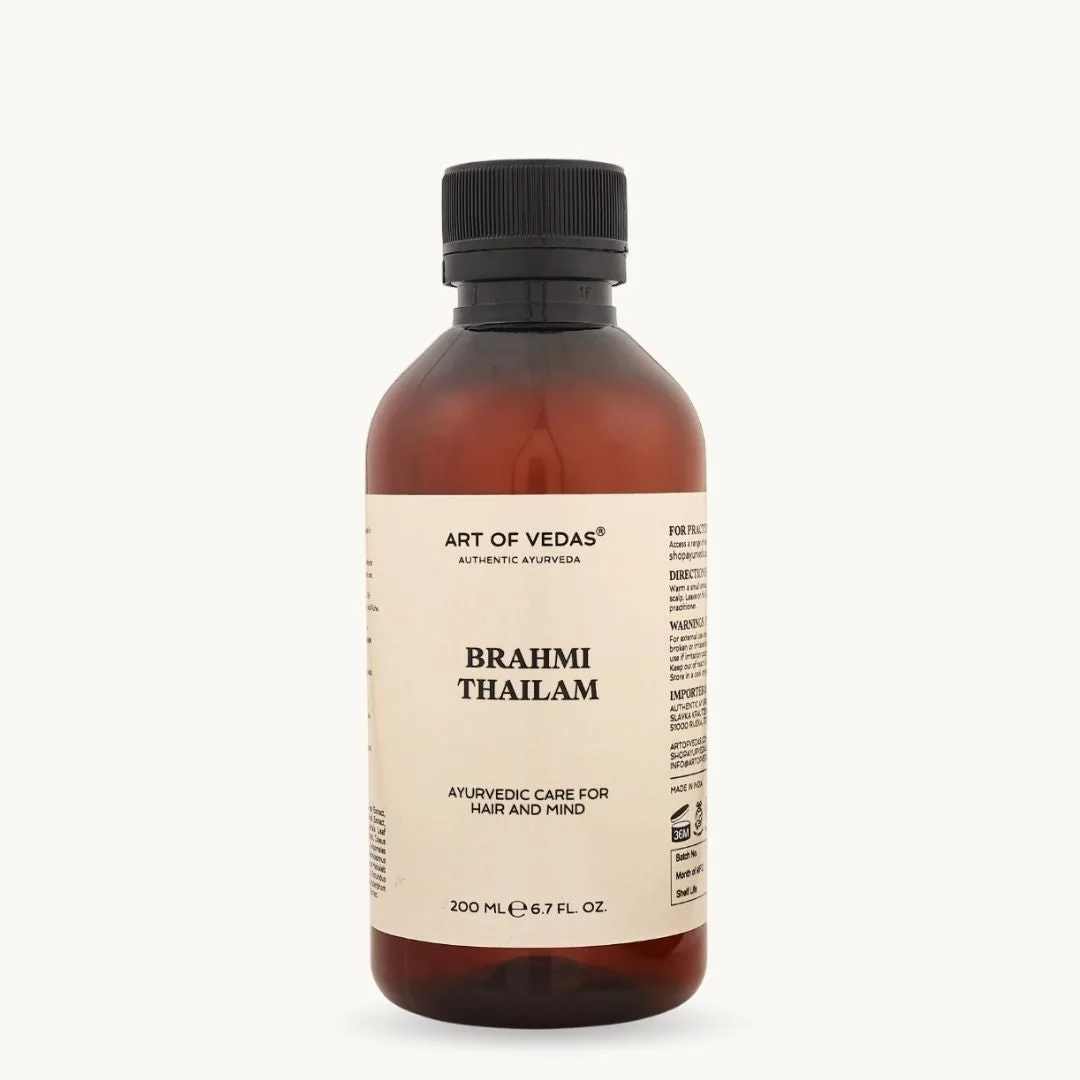
Brahmi Thailam: Classical Ayurvedic Oil for Mind and Nervous System
In the classical Ayurvedic tradition, few herbs carry the reputation of Brahmi (Bacopa monnieri) when it comes to supporting the mind. Of the preparations built around this celebrated herb, Brahmi Thailam holds a particularly important place in the daily rituals of those who follow Dinacharya, the Ayurvedic science of daily routine.
This is not a modern herbal extract in a carrier oil. Brahmi Thailam is a classically prepared medicated oil, processed according to Taila paka vidhi - the Ayurvedic method of oil-making - in which the properties of the herb are drawn into a sesame or coconut oil base through careful, controlled heat processing. The result is an oil that Ayurvedic practitioners have used for centuries in Shiro Abhyanga (head oil massage) and Nasya (nasal administration) practices.
Brahmi in Classical Ayurvedic Literature
Brahmi is one of the most thoroughly documented herbs in classical Ayurvedic texts. The Charaka Samhita places Brahmi among the Medhya Rasayana group - herbs traditionally regarded as supporting the intellect and memory. The Ashtanga Hridayam of Vagbhata describes Brahmi as Medhya, Balya, and beneficial for Vata and Pitta disturbances affecting the head and nervous tissues.
In Ayurvedic pharmacology, Brahmi is characterised as follows:
- Rasa (taste): Tikta (bitter), Kashaya (astringent), with a secondary Madhura (sweet) note
- Virya (potency): Sheeta (cooling)
- Vipaka (post-digestive effect): Madhura (sweet)
- Dosha effect: Tridosha-shamana, with particular affinity for calming Pitta and Vata in the upper body and nervous tissues
The Classical Preparation
Brahmi Thailam is prepared by processing Brahmi herb with a sesame or coconut oil base through Taila paka - the traditional Ayurvedic oil-making process involving slow, careful heating until the water content has fully evaporated and the therapeutic constituents have been drawn into the lipid base.
Different classical formulations exist across the textual tradition. Some include additional herbs such as Bhringaraja, Amla (Amalaki), or Shankhapushpi. The Sahasrayogam, a classical text, contains several Brahmi-based Thailam formulations used in classical Panchakarma practice.
Traditional Properties and Classical Uses
Nervous System and Majja Dhatu
In Ayurvedic anatomy, nervous tissues are understood in terms of Majja Dhatu - the marrow and nerve tissue layer. Brahmi's traditional affinity for this tissue layer is one of the central reasons it appears in head oil formulations. Shiro Abhyanga using Brahmi Thailam is understood as nourishing nervous tissues through the scalp, which is considered connected to the brain via the Adhipati marma point at the crown.
Pitta and the Head Region
Brahmi's Sheeta virya (cooling potency) makes Brahmi Thailam particularly relevant when Pitta is elevated in the head region. Classical texts consistently recommend cooling head oils for Pitta-predominant conditions of the upper body.
Vata and the Nervous Tissues
The sweet post-digestive effect (Madhura vipaka) of Brahmi combined with the grounding quality of sesame oil creates a preparation that classically addresses Vata disturbances in the nervous tissues.
Medhya Action
The Medhya category in Ayurveda refers to substances that support the clarity and quality of the intellect and memory - nourishing the subtle aspects of mind and nervous tissue to support clarity, focus, and calm.
Shiro Abhyanga with Brahmi Thailam
Shiro Abhyanga is one of the most firmly established practices in Dinacharya. The Ashtanga Hridayam (Sutrasthana Ch 2) describes regular head oil application as beneficial for clarity of the sense organs, sleep quality, and the health of the scalp and hair.
- Warm the oil: Place two to four teaspoons of Brahmi Thailam in a small bowl set in warm water for a few minutes. The oil should be comfortably warm, not hot.
- Begin at the crown: Apply to the Adhipati point and work in with gentle circular fingertip movements.
- Work across the scalp: Apply oil in sections from the crown outward and downward.
- Temples and hairline: Apply gently to the temples, forehead hairline, and behind the ears.
- Duration: Allow the oil to remain on the scalp for at least fifteen to thirty minutes. For a deeper practice, apply before sleep and wash in the morning.
- Removal: Rinse with warm water and a gentle cleanser.
Brahmi Thailam in Nasya Practice
Brahmi Thailam is one of the classical preparations used for Pratimarsha Nasya - the gentle daily nasal oil practice described in the Ashtanga Hridayam (Sutrasthana Ch 20). Two drops per nostril in the morning, as part of the Dinacharya sequence, is the classical method. For a full guide, see our guide to Anu Thailam and classical Nasya.
Brahmi Thailam for Hair and Scalp
While Brahmi Thailam's primary classical use is for the mind and nervous tissues, regular application to the scalp also supports hair and scalp health in the traditional understanding. Brahmi is considered beneficial for the Kesha (hair) in Ayurvedic literature. See our full Ayurvedic hair oil massage guide.
Comparing Brahmi Thailam with Related Classical Oils
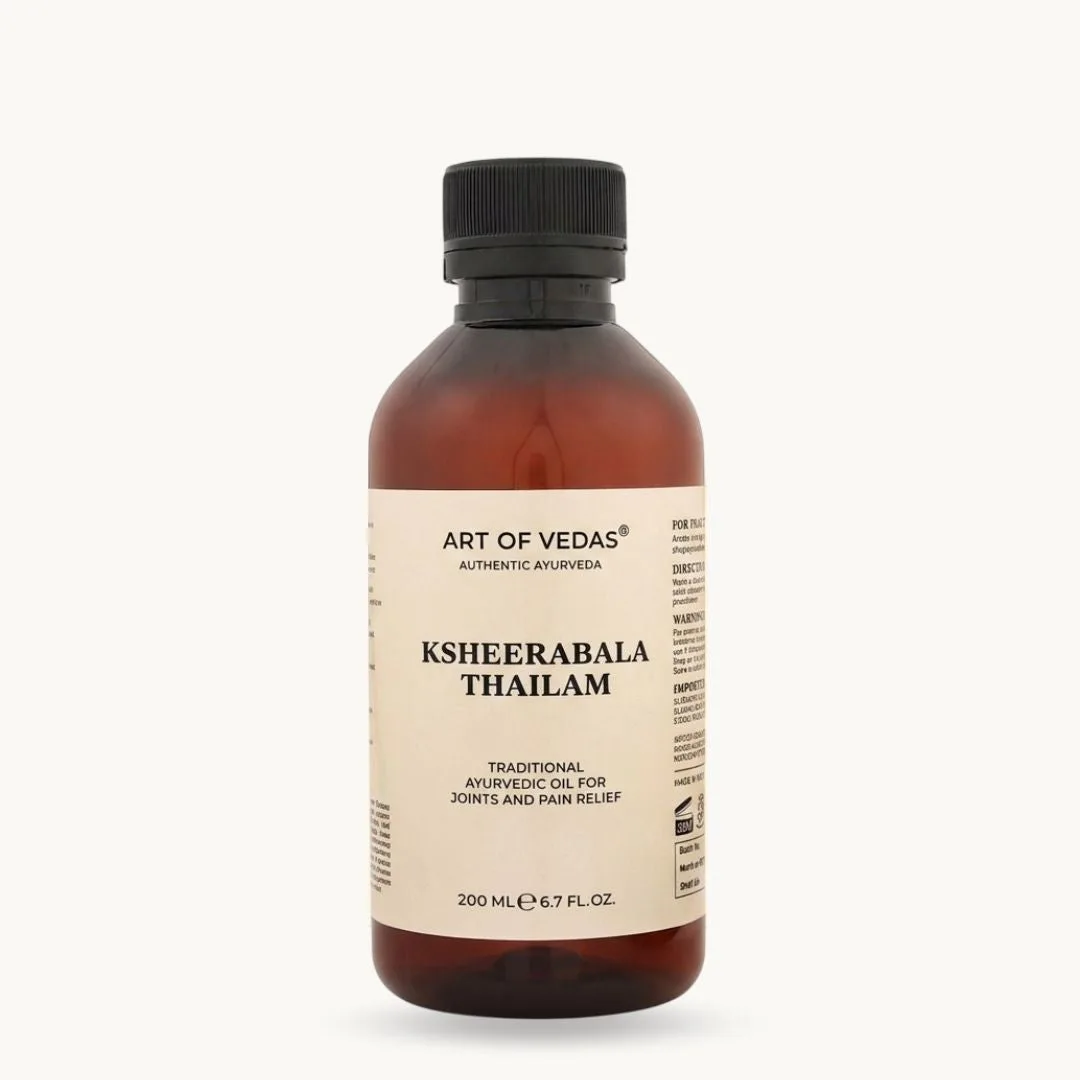
- Brahmi Thailam vs Ksheerabala Thailam: Ksheerabala is a Vata-nourishing full-body oil processed in milk. Brahmi Thailam is specifically a head oil with Medhya properties and cooling character. See the Ksheerabala application guide.
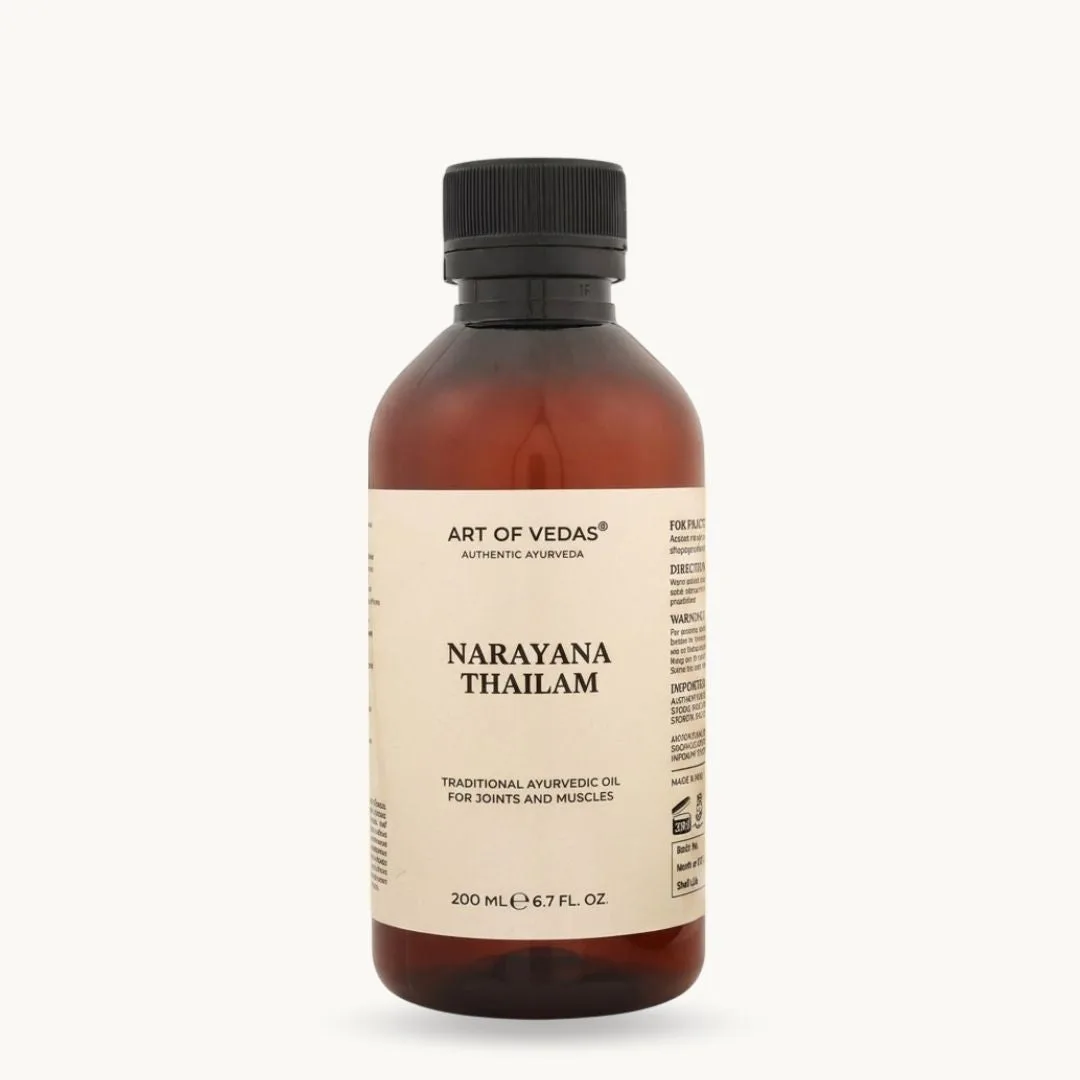
- Brahmi Thailam vs Narayana Thailam: Narayana Thailam is classically for Vata in the musculoskeletal and lower body context - not a head oil. See the Narayana Thailam guide.
- Brahmi Thailam vs Neelibhringadi Thailam: Neelibhringadi is primarily a hair care oil. Brahmi Thailam is more versatile - serving both scalp care and mental support from the same practice.
For a comprehensive overview, see our guide to comparing classical Ayurvedic oils.
Seasonal Guidance
- Autumn and early winter (Vata season): When Vata increases, regular Brahmi Thailam head massage provides the grounding counterbalance classical Ayurveda recommends. See our guide to the Ayurvedic autumn and Vata season.
- Late spring and summer (Pitta season): The cooling quality makes Brahmi Thailam especially relevant in warmer months or for those with a Pitta-predominant constitution.
Frequently Asked Questions
What is Brahmi Thailam used for in Ayurveda?
Brahmi Thailam is used primarily for Shiro Abhyanga (head oil massage) and Nasya (nasal oil practice). It is a Medhya preparation - traditionally associated with supporting mental clarity, calm, and nervous tissue health. It also supports scalp and hair care as part of the Dinacharya daily routine.
Can I use Brahmi Thailam for daily head massage?
Yes. Daily Shiro Abhyanga with Brahmi Thailam is in keeping with the classical Ayurvedic recommendation. Even two to three applications per week is a meaningful practice. Warm the oil slightly before application and allow it to remain on the scalp for at least fifteen to thirty minutes.
Is Brahmi Thailam suitable for all doshas?
Brahmi Thailam is considered Tridosha-shamana in classical texts, with particular benefit for Pitta and Vata in the head region. Those with a predominantly Kapha constitution may find lighter oils more suitable for frequent use.
How long should I leave Brahmi oil on my scalp?
Classical practice recommends a minimum of fifteen to thirty minutes. Overnight application is also well-established, particularly for supporting sleep quality and mental calm.
What is the difference between Brahmi oil and Brahmi Thailam?
A commercially labelled Brahmi oil is often simply a carrier oil with Brahmi extract added. Brahmi Thailam in the classical sense refers to a medicated oil prepared through Taila paka vidhi - the traditional heat-processing method that draws the properties of Brahmi into the oil base over a prolonged preparation period. The two are not equivalent.
Can Brahmi Thailam be used for Nasya?
Yes. Brahmi Thailam is one of the classical preparations for Pratimarsha Nasya. Two drops per nostril in the morning, warmed slightly, is the classical method.
Bringing Brahmi Thailam into Your Practice
The value of Brahmi Thailam lies in the rhythm of consistent practice. Explore Brahmi Thailam from Art of Vedas, prepared in the classical tradition. For the complete Dinacharya context, see our guide to the classical Ayurvedic daily routine. Browse all classical preparations at Art of Vedas Thailams.
This article is for informational and educational purposes only. Brahmi Thailam is intended for external use as part of a self-care ritual. It is not a medicine and is not intended to diagnose, treat, cure, or prevent any medical condition. Consult a qualified Ayurvedic practitioner or healthcare professional for personalised guidance.
Explore more in this series
- Brahmi: The Classical Ayurvedic Herb for Mind, Memory and the Nervous System
- Brahmi: The Classical Ayurvedic Guide to Memory and Mental Clarity
- Brahmi: The Classical Herb for Memory That Neuroscience Is Now Catching Up With
- Brahmi: The Classical Ayurvedic Medhya Herb for Mind and Memory
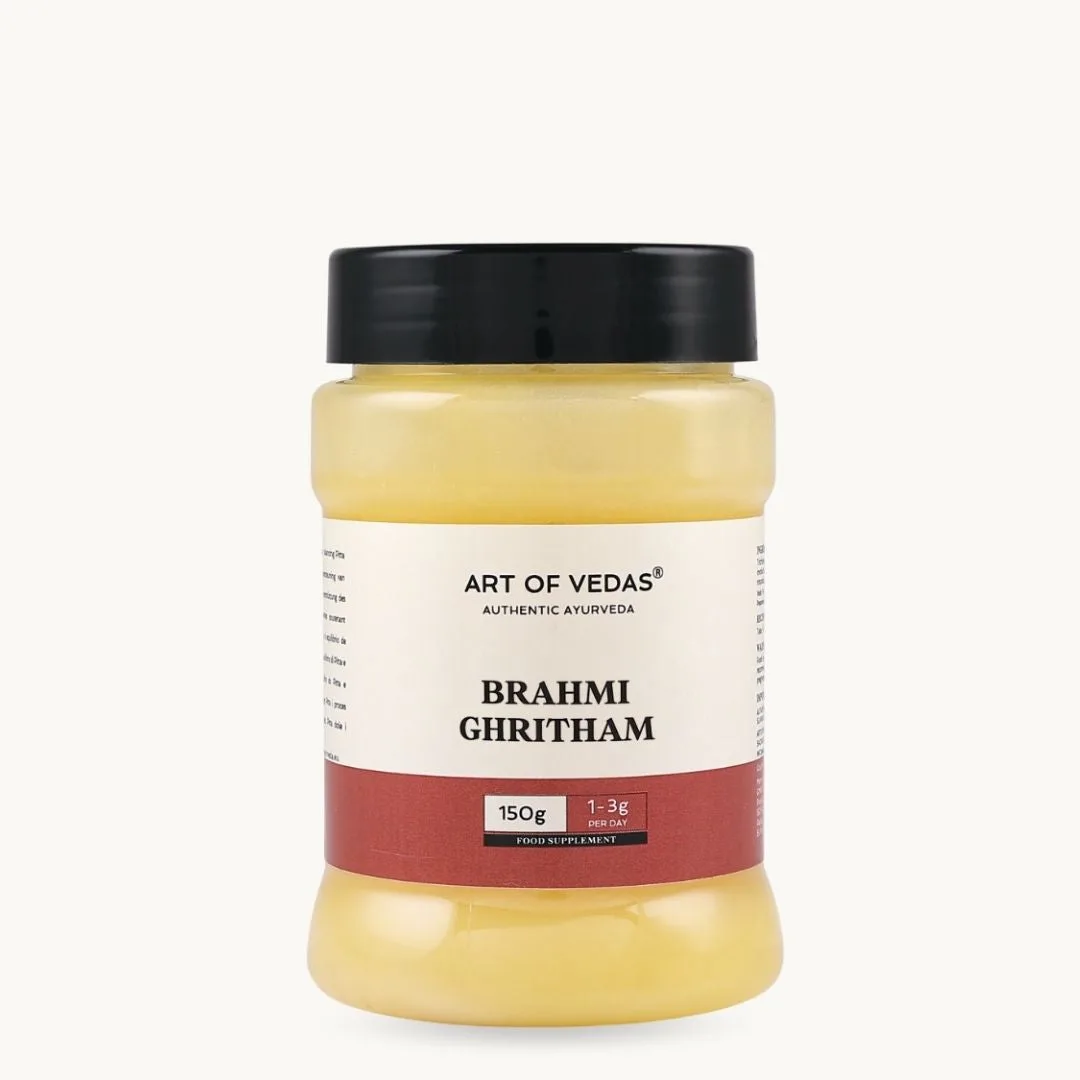
- Brahmi Ghritham: The Classical Medhya Rasayana Guide
- Brahmi in Ayurveda: The Classical Medhya Herb Guide
- Brahmi Thailam: Classical Oil for Mind and Nervous System
- Brahmi Thailam: The Classical Medhya Oil for Shiro Abhyanga
- Brahmi: What Ayurveda Knows About the Brain, Nerves and Memory