Of all the classical preparations that use Amalaki, Chyavanaprasha is the best known. It is recorded in the Charaka Samhita and named after the sage Chyavana, whose story the texts tell with it.
What it is
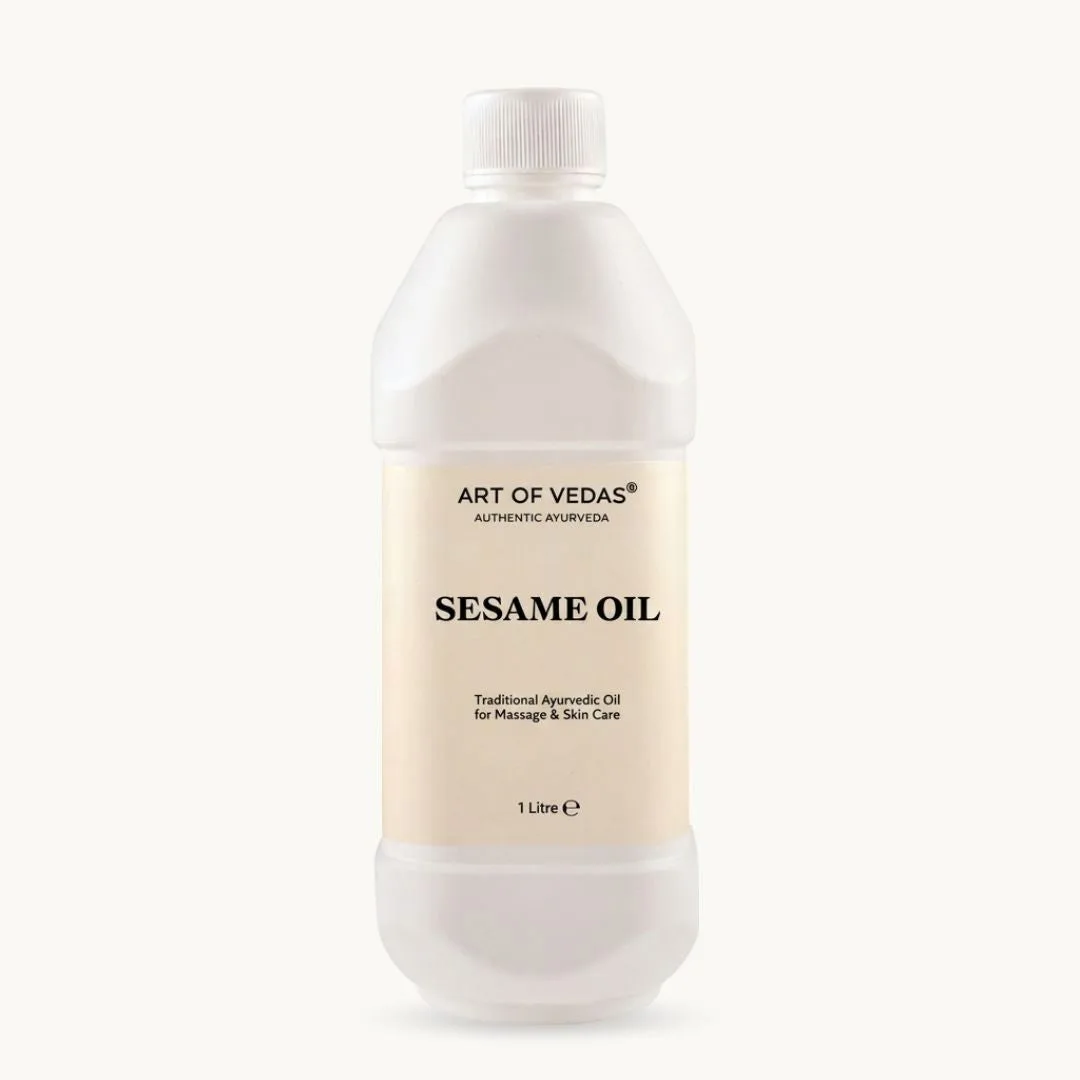
Chyavanaprasha is a thick, dark paste. Amalaki fruit is cooked down with a long list of herbs, among them the ten roots of Dashamula, together with ghee, sesame oil and sugar, and honey and spices are added once the mixture has cooled.
Amalaki at the centre
The recipe runs to dozens of ingredients, but Amalaki is its base. The fruit is the part used here too, as the fruit guide describes.
A formulation, not a single herb
Chyavanaprasha is a complete classical formulation with its own recipe. A single-herb Amla preparation contains Amalaki alone and is a different product.
On the label
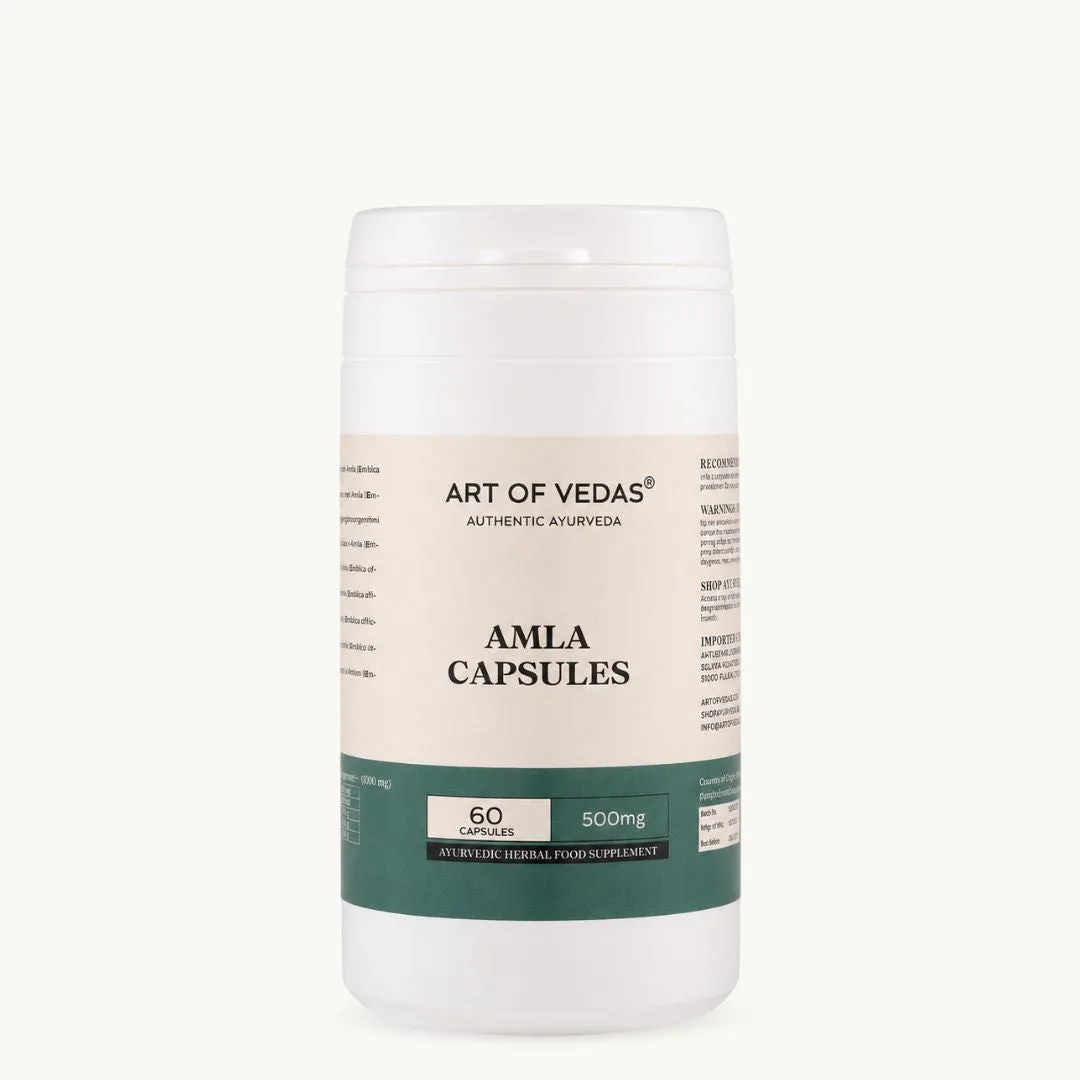
Amla Capsules from Art of Vedas contain Amalaki as a single herb, not Chyavanaprasha.
Frequently Asked Questions
Where is Chyavanaprasha recorded?
In the Charaka Samhita.
Is Chyavanaprasha the same as Amla?
No. It is a formulation built on Amalaki with many other ingredients.
What is in Amla Capsules?
Amalaki alone, as a single herb.
This article is for educational purposes and describes the classical Ayurvedic record. The products mentioned are food supplements, not a substitute for a varied, balanced diet, and are not intended to diagnose, treat, cure or prevent any disease. Take them under the guidance of a qualified Ayurvedic practitioner.