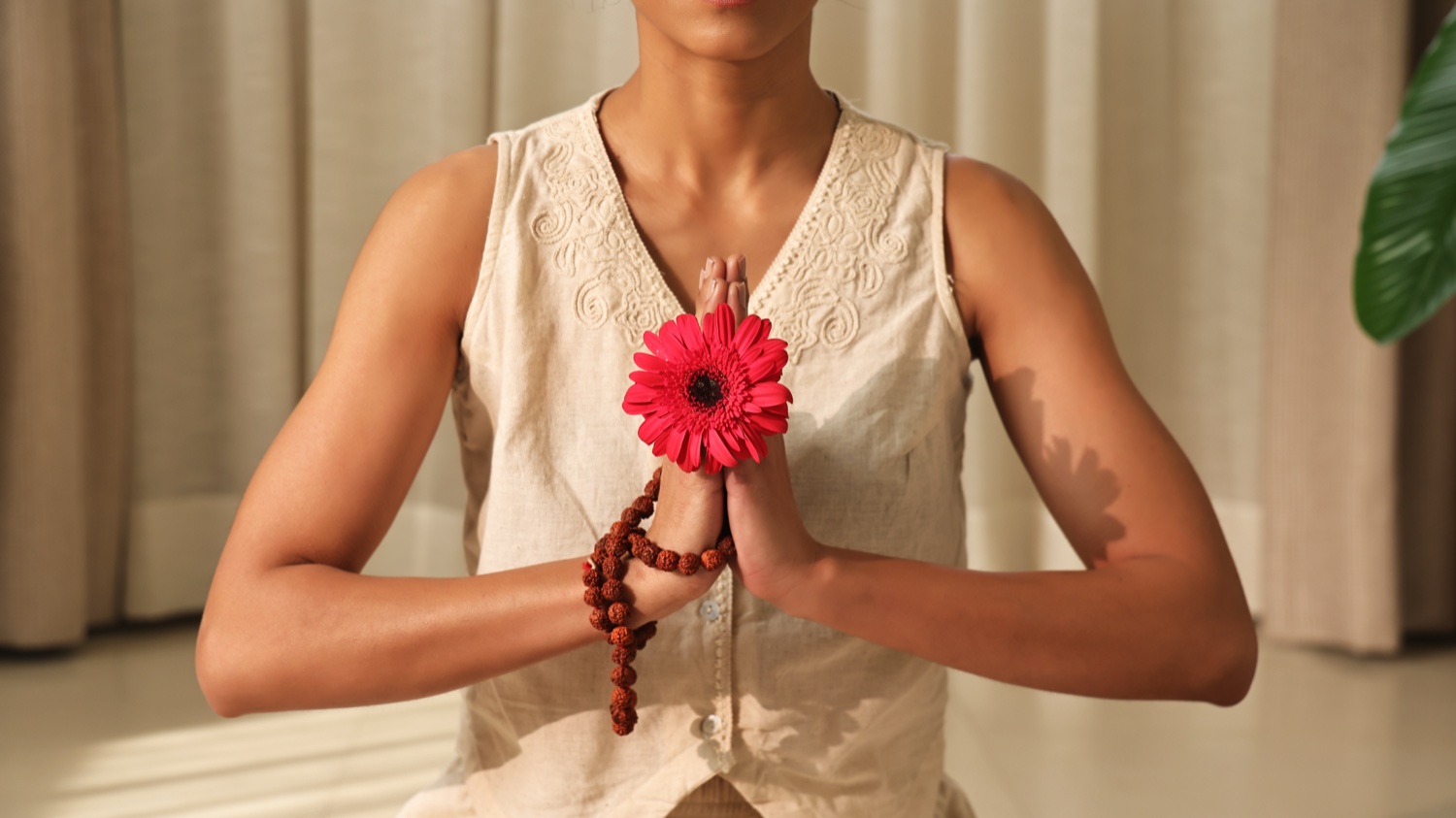
Lord Dhanwantari and the Sacred Heritage of Ayurvedic Oils
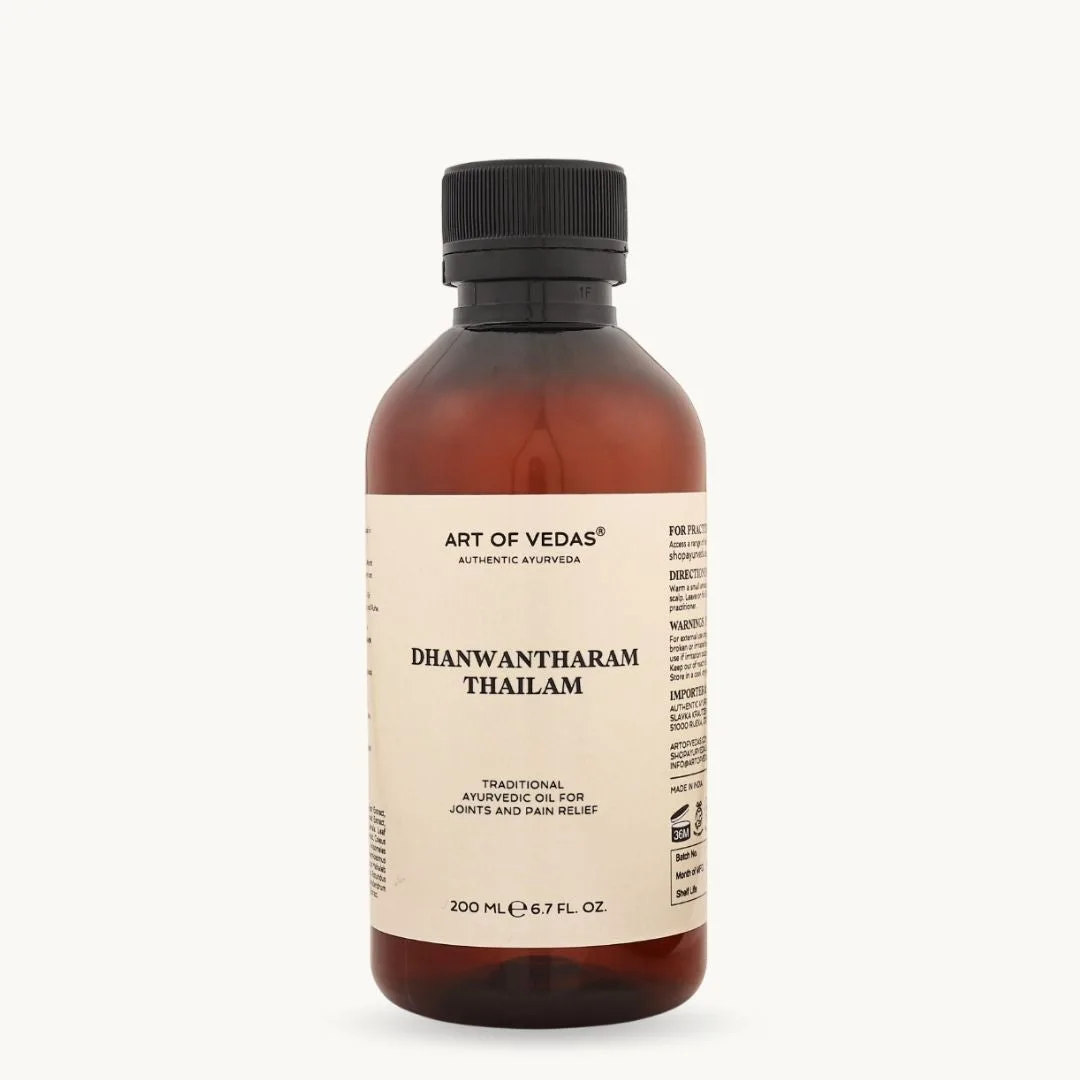
In Ayurveda, oil is not merely a substance - it is a carrier of sneha, the nurturing principle that conveys warmth, stability, and nourishment to body and mind. Among the many classical oils preserved through centuries of careful lineage transmission, Dhanwantharam Thailam occupies a place of quiet reverence. Traditionally associated with strength, balance, and restorative care, this formulation reflects Ayurveda’s deep understanding of movement, vitality, and resilience - qualities that modern life often strains.
Rooted in the healing legacy of Lord Dhanwantari, the divine physician of Ayurveda, Dhanwantharam Thailam was designed to support the body when Vata dosha - the principle of movement - becomes aggravated. In today’s world of irregular routines, excess screen time, travel, stress, and sensory overload, Vata imbalance is increasingly common. Dryness, restlessness, fatigue, and a sense of disconnection are often its subtle signs.
This complete guide explores what Dhanwantharam Thailam ruly is, how it is prepared, and why it has been trusted for generations. We will journey through its classical composition, traditional uses, preparation methods, and practical ways to integrate it into daily wellness rituals such as abhyanga (oil self-massage). You will also learn how to identify authentic Dhanwantharam Thailam, store it correctly, and use it with respect for both tradition and modern safety awareness.
Whether you are new to Ayurveda or deepening an existing practice, this article offers a grounded, practical, and authentic understanding of Dhanwantharam Thailam.
What Is Dhanwantharam Thailam? Understanding the Classical Formula
Dhanwantharam Thailam is a classical Ayurvedic medicated oil (taila) traditionally prepared using a decoction of over 30 herbs, a herbal paste (kalka), and a base of sesame oil. Its formulation is described in authoritative texts such as the Ashtanga Hridaya, where oils are prescribed not just for external lubrication, but for deep systemic balance.
Unlike simple infused oils, medicated oils like Dhanwantharam Thailam undergo a precise, time-intensive cooking process. Herbs are boiled, reduced, and slowly cooked into the oil until their therapeutic essence becomes fully integrated. This makes the oil sukshma (subtle) and capable of penetrating tissues when applied correctly.
Traditionally, Dhanwantharam Thailam is associated with:
● Supporting balance in conditions influenced by Vata
● Nourishing muscles, joints, and connective tissues
● Restorative body care during physically or energetically demanding life phases
● Daily oil massage practices aimed at long-term resilience rather than short-term relief
Importantly, Ayurveda views such oils as preventive tools. Their role is not limited to addressing discomfort, but to maintaining harmony before imbalance deepens.
The 30+ Herb Composition: Breaking Down Traditional Ingredients
The strength of Dhanwantharam Thailam lies in its synergistic formulation. Each herb contributes a specific energetic quality, while sesame oil acts as the intelligent carrier that delivers these properties deep into the body.
Bala (Sida cordifolia): The Strength Provider
Bala literally means “strength.” In Ayurvedic thought, it supports stability, nourishment of tissues (dhatus), and resilience. Within Dhanwantharam Thailam, Bala helps ground excessive movement and supports the structural aspects of the body, making the oil particularly valued for regular massage rituals.
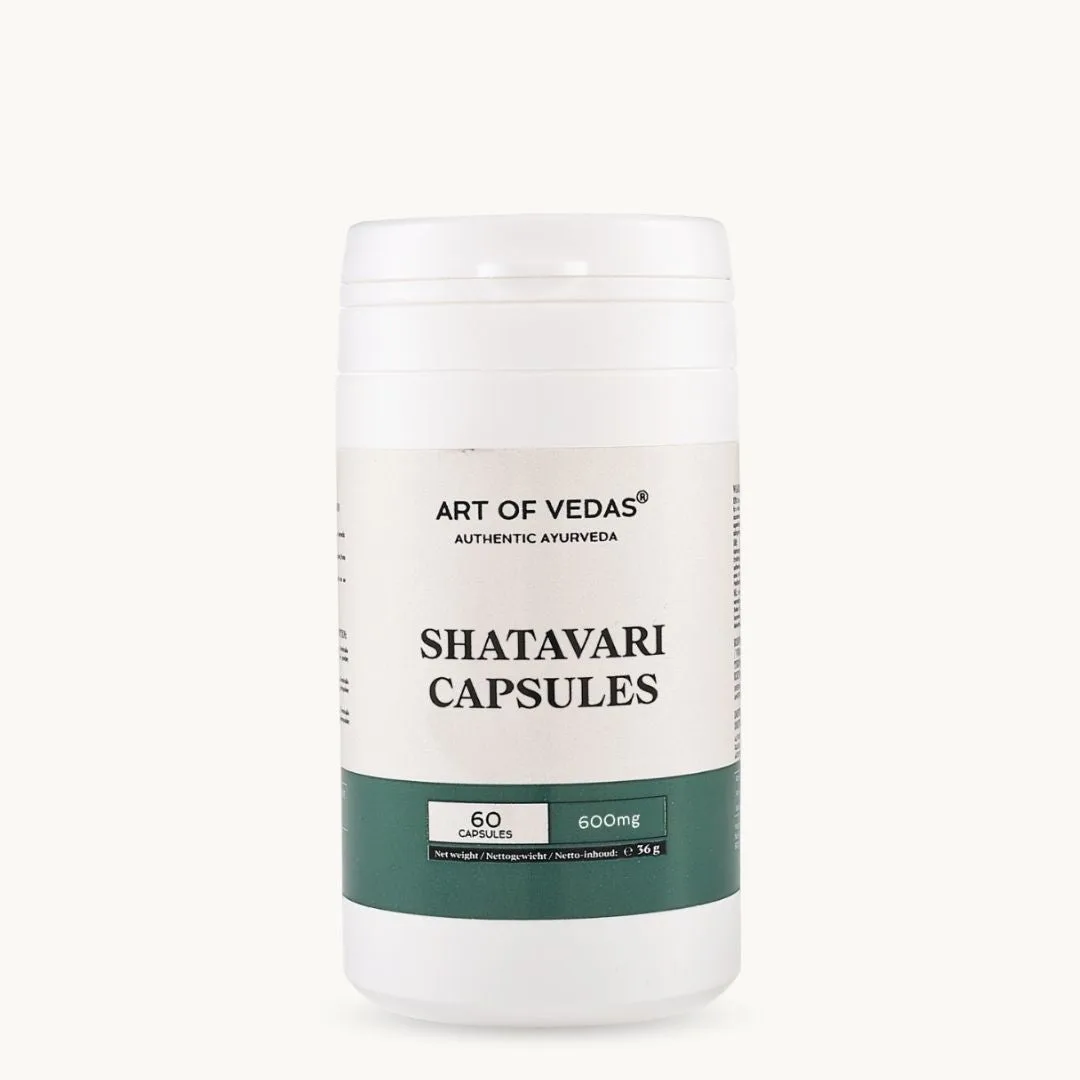
Shatavari (Asparagus racemosus): Traditional Women’s Wellness Support
Shatavari is revered for its nourishing and cooling qualities. Traditionally associated with feminine balance and replenishment, it adds a deeply supportive, restorative dimension to the oil, especially during times when the body needs gentleness and recovery.
Ashwagandha (Withania somnifera): The Adaptogenic Root
Ashwagandha is known for supporting adaptability and endurance. In oil form, its qualities are expressed through grounding, warming, and stabilizing actions - qualities that align beautifully with Vata-balancing practices.
Yastimadhu (Glycyrrhiza glabra): Sweet Harmony
Yastimadhu brings softness and harmony to the formulation. It traditionally supports soothing, cohesion, and balance, counteracting roughness and dryness - hallmarks of Vata imbalance.
Sesame Oil Base: Why This Carrier Matters in Ayurveda
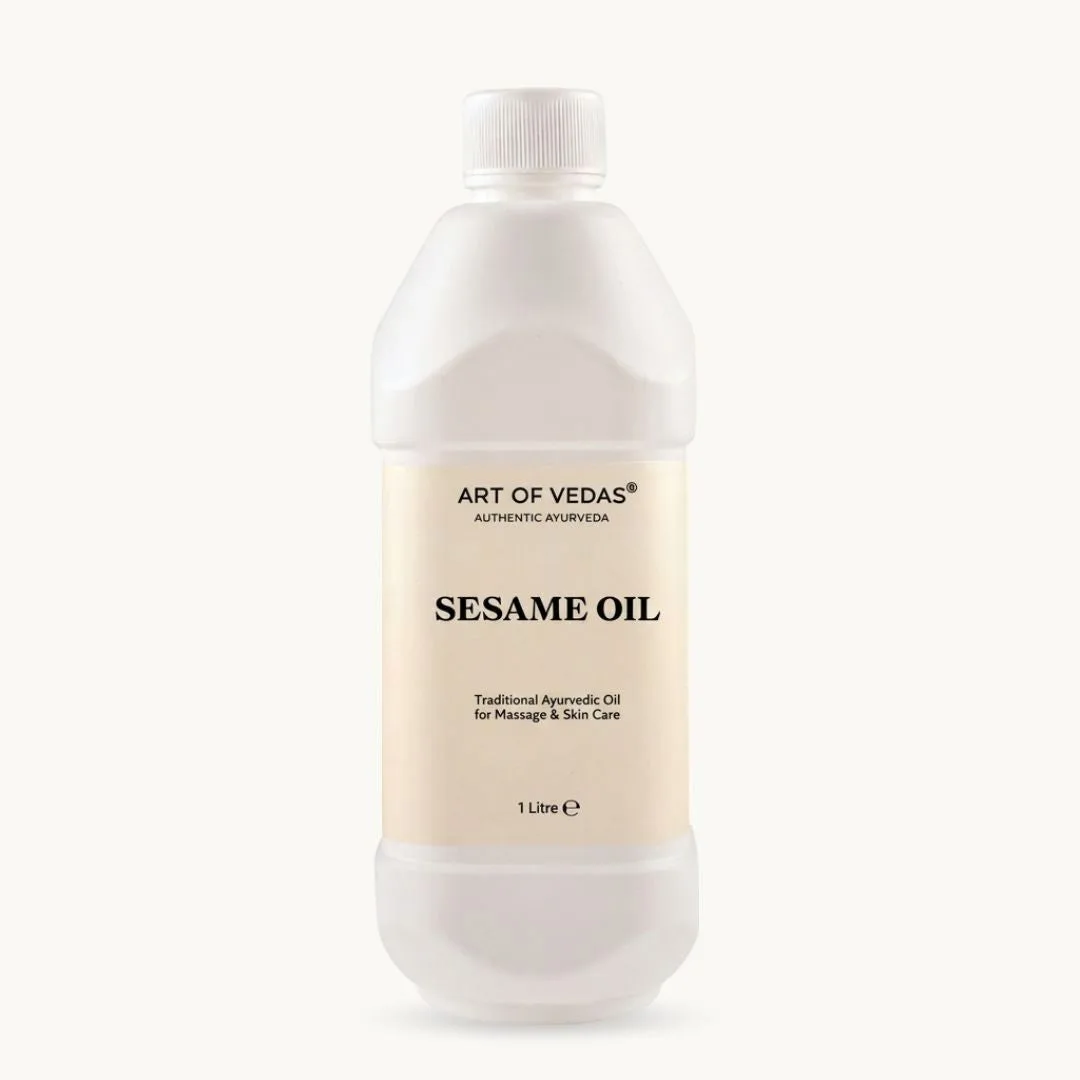
Sesame oil is considered the most Vata-pacifying oil in Ayurveda. Heavy, warming, and deeply penetrating, it acts as both nourishment and protection. Its ability to absorb herbal qualities makes it the ideal base for Dhanwantharam Thailam.
Traditional Ayurvedic Uses Throughout History
Historically, Dhanwantharam Thailam was used in households and traditional care settings as part of long-term wellness routines. Rather than being reserved only for illness, it featured prominently in seasonal regimens, life-stage transitions, and daily self-care.
Oil massage was understood as a way to:
● Maintain joint and muscle suppleness
● Support circulation and warmth
● Calm the nervous system through rhythmic touch
● Prepare the body for rest, activity, or recovery
This perspective contrasts sharply with modern approaches that often wait for discomfort before intervention. Ayurveda emphasizes continuity, rhythm, and prevention.
Vata Dosha Balancing: Understanding the Ayurvedic Perspective
Vata dosha governs movement - breathing, circulation, nerve impulses, and elimination. When balanced, it supports creativity and vitality. When aggravated, it manifests as dryness, coldness, irregularity, and instability.
Dhanwantharam Thailam addresses Vata through opposite qualities:
● Oiliness counters dryness
● Warmth counters cold
● Heaviness counters lightness
● Rhythm counters irregularity
Through consistent application, especially via abhyanga, the oil supports a sense of groundedness that extends beyond the physical body.
How Dhanwantharam Thailam Is Traditionally Prepared
Authentic preparation follows the classical sneha paka method:
- Herbs are decocted in water to extract their essence.
- A fine herbal paste (kalka) is prepared.
- Sesame oil, decoction, and paste are cooked slowly over controlled heat.
- The process continues until the water content evaporates and the oil reaches the correct stage.
This slow preparation is not merely technical - it is philosophical. Ayurveda values patience, precision, and respect for natural rhythms.
The Art of Abhyanga: Self-Massage Rituals with Dhanwantharam
Abhyanga is the most traditional way to use Dhanwantharam Thailam. The practice involves warm oil applied with slow, intentional strokes over the body.
Traditionally:
● Long strokes are used on limbs
● Circular strokes on joints
● Gentle attention is given to the spine, abdomen, and feet
This ritual is less about pressure and more about presence. Over time, it cultivates body awareness and nervous system calm.
Incorporating Dhanwantharam Thailam into Your Daily Wellness Routine
Consistency matters more than quantity. Even short, regular oil rituals can support long-term balance. Many practitioners recommend morning abhyanga before bathing, while others prefer evening application for grounding after a long day.
Listening to your body, climate, and lifestyle is key. Ayurveda is adaptable, not rigid.
Quality Indicators: How to Identify Authentic Dhanwantharam Thailam
Authentic Dhanwantharam Thailam typically has:
● A deep herbal aroma (not perfumed)
● A rich golden-brown to dark hue
● Slight sediment (a sign of herbal processing)
● Clear ingredient transparency
Avoid products with artificial fragrances, overly light color, or vague labeling.
Storage and Shelf Life: Maintaining Oil Potency
Store the oil:
● Away from direct sunlight
● In a tightly sealed glass or metal container
● At room temperature
Properly prepared oils often remain stable for several years when stored correctly.
Contraindications and Traditional Ayurvedic Wisdom
While generally gentle, Dhanwantharam Thailam is traditionally avoided:
● During acute fever
● In states of high ama (toxicity)
● Over inflamed or infected skin
Pregnant or medically supervised individuals should always consult a qualified professional before beginning any oil ritual.
Conclusion: Embracing Ancient Wellness in Contemporary Life
Dhanwantharam Thailam is more than an Ayurvedic oil - it is a philosophy in liquid form. At Art of Vedas, we honour this timeless formulation as a reminder that nourishment, rhythm, and care are not luxuries, but necessities for sustainable well-being. By integrating this classical oil into modern life with respect and understanding, we reconnect with a slower, wiser approach to health - one rooted in balance rather than urgency.
Begin your journey with intention, consistency, and reverence, and let Art of Vedas Dhanwantharam Thailam become a quiet ally in your daily wellness practice.
Frequently Asked Questions
1. What does Dhanwantharam Thailam smell like?
It has a deep, earthy herbal aroma derived from its ingredients, not added fragrance. The scent is grounding rather than floral or sweet.
2. How is Dhanwantharam Thailam different from regular sesame oil?
Regular sesame oil lacks the complex herbal decoctions and therapeutic depth created through classical Ayurvedic processing.
3. Can Dhanwantharam Thailam be used daily?
Yes, traditionally it is used regularly in small amounts as part of daily or weekly abhyanga routines.
4. What is the traditional method of applying Dhanwantharam Thailam ?
Warm the oil slightly and apply with slow, rhythmic strokes, allowing it to rest before bathing.
5. How long should I leave Dhanwantharam Thailam on my skin?
Traditionally 15, 45 minutes, depending on time, climate, and personal comfort.
6. Is Dhanwantharam Thailam suitable for all skin types?
It is generally well-tolerated, especially for dry or Vata-dominant skin. Sensitive skin should patch-test first.
7. What is the shelf life of authentic Dhanwantharam Thailam?
Properly stored, it often remains effective for 3, 5 years.
8. Should Dhanwantharam Thailam be warmed before use?
Yes, gentle warming enhances absorption and comfort.
9. Can I use Dhanwantharam Thailam on my face?
Traditionally it is used mainly on the body; facial use should be minimal and cautious.
10. Where can I buy genuine Dhanwantharam Thailam?
Art of Vedas offers Dhanwantharam Thailam with transparent sourcing and classical preparation methods.
Explore more in this series
- Abhyanga traditionell: Vollständiger Leitfaden zur ayurvedischen Selbstmassage mit Dhanwantharam Thailam
- Mastering Abhyanga: The Complete Guide to Self-Massage with Dhanwantharam Thaila
- Dhanwantharam Thailam Benefits: What This Classical Vata Oil Actually Does
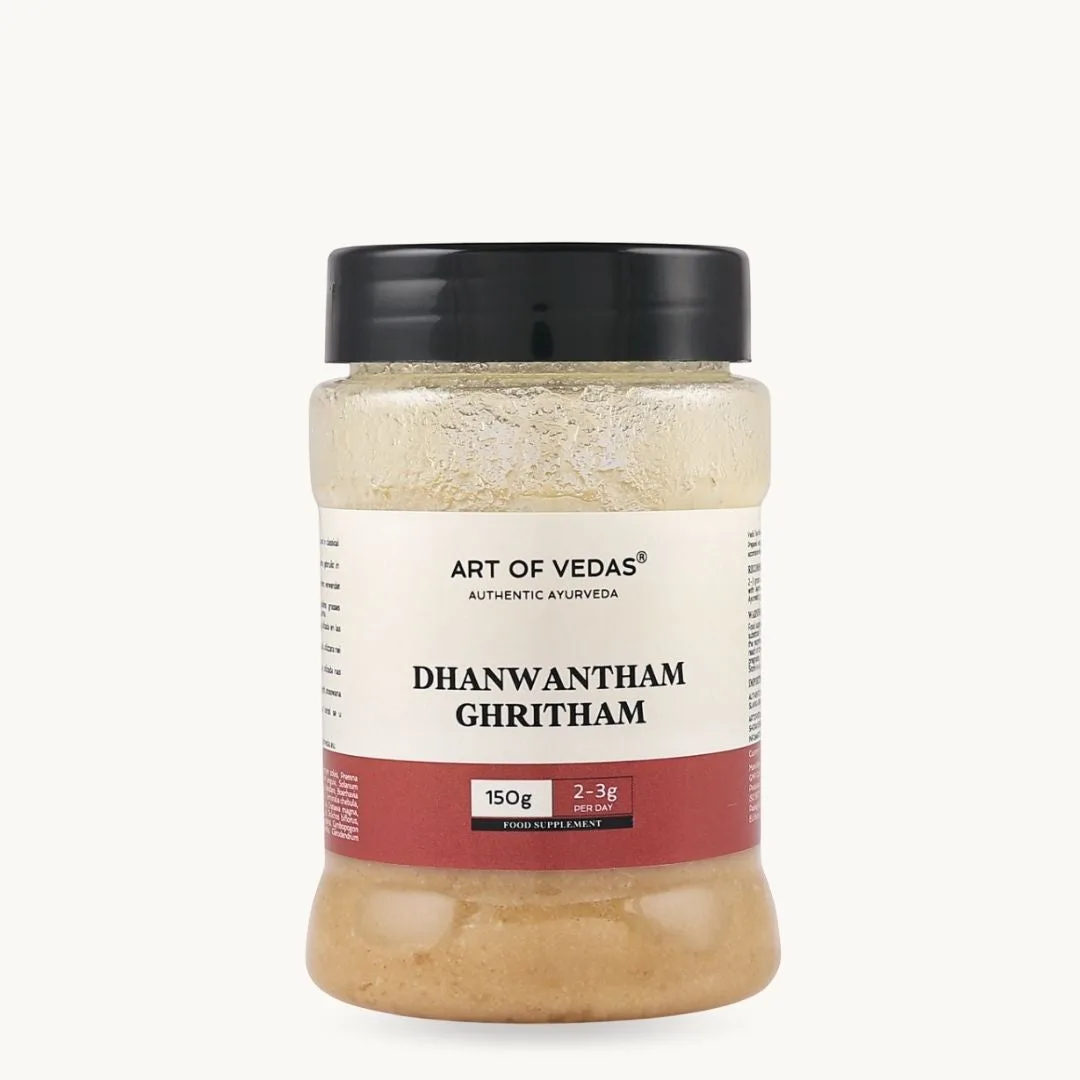
- Dhanwantharam Ghritham: Classical Vata Rasayana Guide
- Dhanwantharam Thailam authentisch kaufen: Einkaufsleitfaden für Deutschland & Europa
- Dhanwantharam Thailam: The Oil That Ayurveda Considers the Foundation of Vata Care
- Dhanwantharam Thailam: The Classical Ayurvedic Vata Oil
- Dhanwantharam Thailam: Vollständiger Leitfaden zum traditionellen ayurvedischen Öl